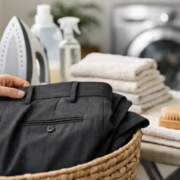
How to Clean Dress Pants Without Ruining Them

A sharp pair of dress pants can look worn out long before the fabric is actually worn through. Shine at the seat, a coffee spot near the cuff, a wrinkled crease, or a waistband that has absorbed a long commute can all make an otherwise good outfit feel less polished. Knowing how to clean dress pants starts with one rule: treat the fabric and construction as carefully as the stain.

Dress pants are not all made the same. A washable cotton blend may handle gentle laundering well, while wool trousers, lined pants, pleated styles, and tailored dress slacks often need professional care to keep their shape. The goal is not simply to get them clean. It is to keep the color even, the crease crisp, and the fit comfortable for the next workday or occasion.

Start With the Care Label

The care label is the best place to begin, even if you have owned the pants for years. It tells you whether the manufacturer expects dry cleaning, hand washing, machine washing, or professional wet cleaning. Following it is especially worthwhile for structured trousers, because the waistband, lining, pockets, and crease may respond differently than the outer fabric.

A few label instructions deserve special attention:

  • “Dry clean only” means water can cause shrinkage, color loss, distortion, or damage to the fabric finish.
  • “Dry clean” may allow other methods, but dry cleaning remains the safest choice when you want to preserve tailoring.
  • “Machine wash cold” usually calls for a delicate cycle, mild detergent, and low agitation.
  • “Do not tumble dry” matters. High heat is one of the fastest ways to shrink fibers and set wrinkles.

If the label is missing, think about the fabric before choosing a method. Wool, silk, rayon, acetate, velvet, and trousers with a full lining should generally be handled professionally. Cotton, polyester, and some washable wool blends may be cleaned at home, but only with a gentle approach.

How to Clean Dress Pants at Home

For pants that are labeled washable, clean them less often than you might clean everyday jeans or T-shirts. Unless they are visibly soiled or have absorbed odor, dress pants can often be aired out between wears. Hang them by the cuffs or over a proper trouser hanger and give the fabric time to release moisture and wrinkles.

When washing is needed, empty the pockets, fasten the hook, button, zipper, and any side tabs, then turn the pants inside out. This reduces friction on the outer surface and helps prevent fading or a dull, rubbed appearance at high-contact areas.

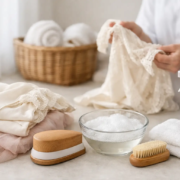
Use cold water and a small amount of mild detergent. Hand washing is the gentlest option: swish the pants briefly, let them soak for a few minutes if needed, then rinse thoroughly without twisting or wringing. If the label permits a machine wash, use the delicate cycle and place the pants in a mesh laundry bag. Wash them with similarly lightweight items, not towels, denim, or garments with zippers that can abrade the fabric.

After washing, press out excess water gently. Lay the pants flat on a clean towel, roll the towel to absorb moisture, then reshape the trousers and hang them to air dry. Align the seams, straighten the pockets, and smooth the legs while the fabric is damp. This small step makes pressing easier and helps the pants dry in their intended shape.

Do not put dress pants in a dryer unless the label specifically says it is safe. Even then, low heat is the only sensible setting. Heat can shrink natural fibers, weaken elastic components in the waistband, and leave permanent-looking wrinkles around seams and pleats.

Spot-Clean Small Stains First

A full wash is not always necessary for one small mark. For fresh spills, blot immediately with a clean white cloth. Do not rub, since rubbing pushes the stain deeper into the fibers and can create a lighter, fuzzy patch on darker pants.

For washable fabrics, test any stain product on an inside hem or hidden area first. Apply a small amount with a cloth or cotton swab, working from the outside edge of the stain toward the center. Blot with cool water afterward and allow the area to dry completely before deciding whether more treatment is needed.

Oil-based stains, ink, red wine, and sauces are more complicated. So are stains on wool, silk, rayon, and lined trousers. Avoid using hot water, bleach, or a random household cleaner. Those shortcuts can set the stain or leave a ring that is harder to remove than the original spot. If you cannot identify the stain or the pants are a favorite pair, bring them in promptly and point out the affected area.

When Dry Cleaning Is the Better Choice

Professional cleaning is usually the wiser option when your dress pants are wool, heavily tailored, lined, pleated, or part of a suit. It is also a smart choice after a major spill, before an important event, or when the pants have developed body odor or overall soil that spot cleaning cannot address.

Suit pants deserve particular care. Cleaning only the trousers repeatedly while leaving the matching jacket untreated can lead to subtle color differences over time. When both pieces need cleaning, have them cleaned together so they continue to match. If the jacket is clean and the pants only need a light refresh, ask a garment-care professional which approach makes the most sense.

Professional cleaning also provides finishing that is difficult to duplicate at home. Proper pressing restores the crease without creating shine, puckering the seams, or flattening the fabric. This matters around the waistband, pockets, cuffs, and pleats, where an ordinary iron can leave obvious marks.

At Joe’s Organic Dry Cleaning & Tailoring, fabric-conscious cleaning and careful finishing help keep workwear ready for the office, travel, dinner plans, and the occasions that call for a polished look.

Pressing Dress Pants Without Creating Shine

Clean pants can still look unfinished if they are wrinkled. Check the label before using an iron, then choose the heat setting that matches the fabric. Wool typically needs low to medium heat with steam, while polyester and other synthetics need lower heat to avoid melting or developing a sheen.

Use a pressing cloth between the iron and the pants, especially for dark wool, black trousers, and delicate blends. A clean cotton cloth works well. Rather than sliding the iron back and forth, press gently, lift, and move to the next section. Sliding can stretch seams and create shine where the fabric is compressed.

Start with the waistband and pocket areas from the inside. Then lay each leg flat, match the inseams and outseams, and press along the existing crease. If the pants did not originally have a sharp front crease, do not force one in. Let the garment’s original construction guide you.

Steam can refresh trousers between cleanings, but keep the steamer moving and avoid soaking the fabric. Let the pants dry fully on a hanger before wearing or storing them. Damp fabric can pick up wrinkles quickly and may develop odor if placed in a crowded closet.

Keep Dress Pants Cleaner Between Wears

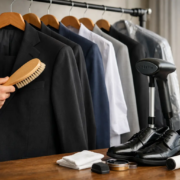
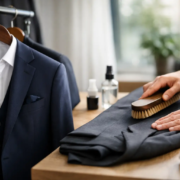
A little routine care reduces how often you need a full cleaning. Brush off lint, hair, and dry surface debris after wearing the pants. Empty pockets before hanging them, since keys, receipts, and phones can pull at the fabric and distort the shape. Give the trousers a day of rest between wears when possible, particularly if they are wool.

Use a sturdy hanger that supports the waistband or clips the cuffs without leaving deep marks. Avoid folding dress pants over a chair for days, where they can collect wrinkles and household dust. For seasonal storage, make sure the pants are clean first. Invisible food residue, perspiration, and body oils can attract pests and become harder to remove over time.

If your pants begin to look baggy through the seat, loose at the waist, or too long after a shoe change, cleaning alone will not solve the problem. A simple alteration can make a well-made pair feel new again and help you get more wear from it.

The best garment-care routine is the one that keeps your clothes ready without asking you to spend every weekend at the ironing board. Treat small issues early, follow the label, and let professional care handle the pairs that need more than a quick refresh. For busy households and professionals, pickup and delivery can make that routine much easier to keep.

Can You Dry Clean Curtains? What to Know First

Curtains collect more than most people realize: dust from open windows, cooking residue, pet hair, pollen, and the occasional fingerprint near the edge of a panel. So, can you dry clean curtains? Often, yes – but the care label, fabric, lining, trim, and condition of the curtains should guide the decision. A beautiful set of drapes can be expensive to replace, and the wrong cleaning method can cause shrinking, fading, puckering, or damage to a backing.

For busy households, professional curtain cleaning can be a practical way to refresh a room without turning the laundry room into a major project. The key is knowing which curtains are suited to dry cleaning and when another method makes more sense.

Can You Dry Clean Curtains Based on the Label?

Start with the manufacturer’s care label. If it says “dry clean only,” follow that instruction, especially for lined, pleated, structured, or decorative draperies. That label is not simply a suggestion. It usually means water, agitation, or heat could change the fabric’s size, texture, color, or shape.

Some labels say “dry clean” rather than “dry clean only.” In those cases, there may be more than one appropriate professional method. A garment care professional may determine that dry cleaning, professional wet cleaning, or careful laundering is best after inspecting the material. The right choice depends on how the curtain is made, not just on its surface fabric.

If the label is missing, avoid guessing. Look for clues such as a sewn-in blackout lining, bonded backing, interlining, elaborate pleats, silk-like sheen, embroidery, or glued embellishments. These details increase the risk of a home wash changing the curtain’s appearance or fit.

Which Curtain Fabrics Usually Need Professional Care?

Many formal draperies benefit from professional handling because they are made with multiple layers and detailed construction. Silk, wool, velvet, brocade, damask, and lined decorative panels are common examples. Even when the outer fabric appears sturdy, the lining may react differently to moisture or cleaning solvents.

Silk curtains are particularly sensitive. Water can leave rings or create uneven color, while sun exposure may have already weakened portions of the fabric near the window. Velvet can lose its pile or develop pressure marks if handled roughly. Wool may shrink or become misshapen. Heavily pleated drapes can lose their crisp folds if they are washed, dried, or pressed incorrectly.

Linen and cotton panels are more variable. Some casual, unlined panels are washable, but others may shrink noticeably, especially if they have not been pre-shrunk. A professional can assess whether a controlled cleaning process is appropriate and whether the panels should be cleaned together to maintain a consistent color and length.

Synthetic fabrics such as polyester are often more forgiving, but they are not automatically safe for the washing machine. Heat-sensitive backings, decorative trim, and blackout coatings can still be affected by home cleaning. The fabric content is only one part of the decision.

Curtains That May Not Be Good Dry Cleaning Candidates

Dry cleaning is not the answer for every window treatment. Some blackout curtains and insulated drapes have foam, rubber, acrylic, or bonded backings that can crack, separate, stiffen, or deteriorate over time. Older curtains are especially vulnerable because sunlight and heat can make linings brittle long before they look damaged from the room.

Curtains with glued-on beads, plastic appliques, rubberized prints, or fragile decorative elements also need a close inspection. In some cases, gentle vacuuming, spot treatment, or replacement is safer than attempting a full cleaning. An honest professional should explain that risk before processing an item that may not hold up well.

Sheer curtains require their own judgment call. Some polyester sheers can be carefully washed, while delicate lace, antique fabric, and older sheers may tear or yellow during cleaning. If a sheer panel is already brittle, cleaning may reveal wear that has been hidden by dust and soil.

Why Professional Curtain Cleaning Is Different

Curtains are not handled like a shirt or a pair of pants. They are often long, wide, layered, and exposed to years of sunlight, household air, and window condensation. A professional cleaner begins by checking the label, fiber type, lining, stains, trim, and any signs of fading or weakened fabric.

The cleaning method is then chosen to suit the item. Organic K4 dry cleaning can be a fabric-conscious option for many delicate or structured draperies, while professional wet cleaning may be suitable for other washable materials. The goal is to remove soil and refresh the fabric while protecting the curtain’s color, drape, and construction.

Finishing matters, too. Curtains need to hang evenly when they go back on the rod. Careful pressing or steaming can restore a neater look without crushing pleats, flattening texture, or leaving sharp creases in the wrong places. This is one reason professionally cleaned drapes often look more polished than panels that have been washed at home and rushed back into place.

How to Prepare Curtains for Cleaning

Before taking curtains down, take a few quick photos of how they are hung, especially if the panels have hooks, rings, tiebacks, or a specific order. This makes reinstallation much easier. Remove detachable hardware whenever possible, including rings, pins, clips, and metal hooks. Hardware can snag fabric and may not be suitable for the cleaning process.

Check the curtains for loose hems, pulled threads, torn seams, or detached trim. Mention these issues when dropping them off. A small repair may be possible before cleaning, and identifying damage in advance helps avoid surprises. If there are visible stains, point out what caused them, whether it was food, smoke, pet contact, water, or something else. Stain history gives the cleaner useful direction.

Bring matching panels together. Cleaning only one panel from a pair can leave a difference in brightness, especially where sunlight has faded the window-facing side. If the drapes are from several rooms but made from the same fabric, keep each room’s set clearly separated.

How Often Should Curtains Be Cleaned?

For many homes, a professional cleaning every one to two years is reasonable. Homes with pets, smokers, frequent cooking, allergies, or windows that stay open during high-pollen months may benefit from more frequent attention. Curtains near a kitchen, fireplace, or busy entryway usually collect soil faster than panels in a quiet guest room.

Regular maintenance can extend the time between full cleanings. Vacuum curtains gently with an upholstery attachment, using low suction and avoiding fragile trim. Dust the rod and window area so dirt does not transfer back onto the fabric. Address spills promptly with blotting rather than rubbing, and avoid using random household sprays that may leave a ring or affect the color.

When It Is Worth Calling a Professional

Professional care is especially worthwhile when curtains are expensive, custom-made, lined, floor-length, or difficult to replace. It also makes sense when a room needs to look ready for guests, a holiday gathering, a move, or a special event. The cost of proper care is often less than the cost of replacing panels that shrink, fade, or lose their shape in a home wash.

At Joe’s Organic Dry Cleaning & Tailoring, curtains can be assessed before cleaning so you have a clearer picture of the recommended method and any fabric-related concerns. For Westbury-area households with large or multiple panels, pickup and delivery can also save time and keep a bulky project off your weekend list.

Fresh curtains do more than improve a window. They remove a layer of everyday buildup from the room and help the fabric hang the way it was meant to. When the label, lining, or material raises questions, pause before washing and let the construction of the curtain determine the care it receives.

Tailoring vs Off the Rack for Your Wardrobe

A jacket can be the right size and still feel wrong. The shoulders may sit too wide, the sleeves may cover your hands, or the waist may hang straight instead of giving you a clean shape. That is why the choice between tailoring vs off the rack is not simply about spending more or less. It is about deciding how much fit, flexibility, time, and long-term wear matter for a particular garment.

For a busy professional, a parent getting ready for a wedding, or anyone rebuilding a dependable work wardrobe, both options have a place. Off-the-rack clothing offers speed and selection. Tailoring turns a promising garment into one that feels made for you. Knowing when to choose each can help you shop more wisely and keep more of the clothes you already own.

Tailoring vs Off the Rack: The Core Difference

Off-the-rack clothing is produced in standard sizes and sold ready to wear. It is designed to fit a broad range of body types, which makes it convenient but rarely perfect. A size 10, 40 regular, or medium is a starting point, not a personal blueprint.

Tailoring adjusts a garment to your proportions. Depending on the item, this can mean shortening sleeves, hemming pants or dresses, taking in a waist, repairing a lining, replacing a zipper, or reshaping the fit through the torso. More involved work may include altering a suit jacket, formal gown, uniform, or heirloom garment.

There is also a difference between custom-made clothing and tailoring. Custom clothing is created from the beginning for your measurements. Tailoring typically improves a garment that already exists, whether it came from a department store, boutique, online retailer, or your own closet. For many people, buying off the rack and having key adjustments made is the most practical middle ground.

When Off-the-Rack Clothing Makes Sense

Off-the-rack is often the right answer when you need something quickly. If you have a last-minute dinner, an unexpected business trip, or a growing child who will soon need another size, ready-to-wear clothing gives you immediate options.

It also works well for casual items where an exact fit is less critical. T-shirts, relaxed sweaters, weekend jeans, basic athletic wear, and loose summer clothing do not always need alterations. A little ease can be part of the intended look.

Price matters too. A well-priced off-the-rack item can be a smart purchase, especially when it fits properly in the areas that are hardest to change. For blazers, dresses, and structured tops, pay closest attention to the shoulders and upper chest. For pants, make sure the waist, rise, and seat are reasonably comfortable. Hem length and sleeve length are commonly adjusted, but a poor shoulder fit can be difficult or not worthwhile to correct.

Off-the-rack shopping is best when you know your reliable brands, understand your basic size, and are willing to leave a little room in the budget for simple alterations. The lowest sticker price is not always the final cost, but it can still be excellent value.

Why Tailoring Can Change the Way Clothes Look

Good tailoring is often subtle. People may not be able to identify what changed, but they notice that you look more polished. A pant hem that breaks correctly over your shoes, a dress that follows your natural waist, or sleeves that end at the right point can make an ordinary garment look intentional.

Fit is especially valuable for clothes you wear when appearance carries weight. Business suits, blazers, dress shirts, uniforms, formalwear, and mother-of-the-bride dresses all benefit from careful adjustments. These garments have structure, and that structure shows when proportions are off.

Tailoring also helps people whose bodies do not match standard size charts, which is most people. You may have broad shoulders and a narrow waist, longer arms, a shorter torso, athletic thighs, or one hip that sits slightly differently from the other. Standard sizing cannot account for every variation. Alterations can make a garment more comfortable without sacrificing its intended shape.

There is a practical confidence factor as well. When clothing stays in place, does not pull across the back, and does not drag on the floor, you can focus on your meeting, celebration, or daily routine instead of adjusting your outfit.

The Alterations That Offer the Best Return

Some adjustments deliver a noticeable improvement for a reasonable investment. Pant and jean hemming, sleeve shortening, waist adjustments, skirt and dress hemming, zipper replacement, and minor repairs often extend the useful life of a garment.

For suits and blazers, sleeve length, jacket waist suppression, trouser hems, and minor waist adjustments can make a major difference. Dress shirts may benefit from sleeve shortening or taking in the body if excess fabric makes them look bulky. With formal dresses, hems, straps, bust adjustments, and side seams are common areas to evaluate.

The best alteration is the one that makes you wear the garment more often. A dress that has sat unworn for two years because it is too long may only need a hem to become a regular favorite again.

Cost: Think Beyond the Purchase Price

The cost question in tailoring vs off the rack depends on the garment and the alteration. A basic hem is very different from rebuilding the shoulders of a lined jacket. Before buying a sale item that is several sizes too large, consider whether the changes needed will outweigh the savings.

A useful rule is to buy for the fit of the most difficult area and tailor the simpler areas. If a blazer fits well through the shoulders but needs sleeve and waist work, it may be a strong candidate. If the shoulders are oversized, the armholes are too low, and the chest is loose, it may be better to keep shopping.

Tailoring is often most cost-effective for quality garments that you expect to wear repeatedly. A good wool suit, a favorite coat, a well-made evening dress, or professional uniforms can justify the investment because the garment has enough life left to enjoy the improvement.

For low-cost, lightly constructed clothing, major alterations may not make financial sense. Thin fabrics, poorly finished seams, and garments with limited seam allowance can restrict what can be done. A professional tailor can help set realistic expectations before work begins.

Timing Matters More Than Many Shoppers Expect

Tailoring requires planning. Do not wait until the day before an interview, wedding, cruise, or holiday gathering to check the fit of an important outfit. Even a straightforward alteration takes time, and special occasion garments may need more than one fitting.

Try on event clothing with the shoes, undergarments, and accessories you plan to wear. The right heel height affects a dress hem. A different bra can change the fit of a bodice. For suits, bring the shirt and shoes you expect to wear so trouser length and sleeve proportions can be assessed accurately.

If you are building a work wardrobe, spread alterations out over time. Start with the pieces you wear most: one dependable suit, a blazer, several pairs of trousers, or a few dress shirts. Small corrections to high-use items can improve your daily appearance without requiring a complete wardrobe overhaul.

Care Protects the Fit You Paid For

Altered clothing still needs proper care. Heat, harsh washing, and improper storage can shrink fibers, distort shape, weaken seams, or damage delicate details. Structured garments such as suits, blazers, gowns, and lined coats should be cleaned according to their fabric and construction, not treated like ordinary laundry.

Professional garment care and alterations work well together. A cleaner who understands the garment can spot loose hems, damaged zippers, missing buttons, and areas needing repair before a small problem grows. At Joe’s Organic Dry Cleaning & Tailoring, this one-stop approach helps customers keep workwear, formalwear, and everyday favorites clean, pressed, repaired, and ready to wear.

How to Choose for Your Next Purchase

Start by asking how often you will wear the item and how important the fit is. For a casual top you need this weekend, off-the-rack may be all you need. For a suit you wear to work every week or a dress for a family milestone, leave room for tailoring in the decision.

When trying on clothing, move around. Sit down, lift your arms, bend slightly, and notice where the fabric pulls or bunches. Check the garment from the side and back, not only in the fitting-room mirror from the front. If it fits well in the shoulders, chest, waist, and seat, smaller adjustments may be worthwhile.

The goal is not for every item in your closet to be altered. The goal is to own clothing that serves your life well. Choose ready-to-wear for convenience, choose tailoring when fit changes the value of the garment, and give your best pieces the care that keeps them looking right for the next occasion.

Carle Place Suit Cleaning That Keeps You Ready

A suit can look fine on a hanger and still let you down when you put it on. A shiny lapel, a faint ring around the collar, wrinkled trouser creases, or a jacket that no longer sits cleanly at the shoulder can make an otherwise polished outfit feel tired. Professional Carle Place suit cleaning is about more than removing visible dirt. It helps preserve the structure, color, fit, and finished appearance that made you buy the suit in the first place.

For commuters, office professionals, wedding guests, and anyone who keeps a suit ready for important occasions, the goal is simple: open the closet and know your clothes are prepared. The right garment care routine makes that easier without asking you to spend your weekend steaming lapels or trying to treat a mystery spot at home.

Why suits need more than a quick wash

Most suits are made from wool, wool blends, silk, linen, rayon, or carefully constructed synthetic fabrics. Even when the fabric feels durable, the garment itself has layers that need careful handling. The jacket may contain canvas, padding, lining, interfacing, and shaped seams that give it its tailored form. Trouser creases and jacket lapels also depend on correct finishing.

A standard home wash can cause shrinkage, color loss, puckering, or distortion. High dryer heat can be especially hard on suit linings, glued components, and natural fibers. That does not mean every suit must be dry cleaned after a single wear. In fact, over-cleaning any garment can shorten its useful life. The better approach depends on how often you wear the suit, how much you perspire, the season, and whether it has stains or odors.

For a suit worn occasionally in a climate-controlled office, brushing it after use and letting it air out may be enough between cleanings. A suit worn during a summer commute, a long event, or a busy week of meetings will usually need attention sooner. If food, coffee, makeup, ink, or an unknown stain lands on the fabric, prompt professional care gives you the best chance of a clean result.

Carle Place suit cleaning starts with the fabric and the stain

The care label is useful, but it is not the whole story. A professional cleaner also considers the fiber content, dye stability, trim, lining, construction, and condition of the garment. That matters because two navy suits can require very different treatment. One may be a washable performance blend, while the other may be a fine wool suit with delicate lining and hand-finished details.

At Joe’s Organic Dry Cleaning & Tailoring, garment care can include organic K4 dry cleaning or professional wet cleaning when the fabric and label allow it. The method should be selected for the garment, not applied as a one-size-fits-all routine. Organic K4 cleaning provides an effective, fabric-conscious option for many suits and structured garments while avoiding the harsher feel some customers associate with older cleaning methods.

Stain treatment also calls for restraint. Scrubbing with a napkin, rubbing in water, or applying an all-purpose stain remover can spread the spot or leave a faded area that is harder to correct than the original stain. If a spill happens, blot gently with a clean cloth and avoid heat. Point out the stain when you bring in the suit or prepare it for pickup so it can receive proper attention.

Pressing is part of the finished result

Cleaning removes soil, but pressing restores the suit’s presentation. Proper finishing brings back crisp trouser creases, smooth jacket fronts, clean lapels, and sleeves that hang naturally. It should also respect the fabric. Excessive heat or pressure can create shine on wool, particularly around pockets, seams, elbows, and lapels.

This is one reason a suit may look noticeably better after professional care even when it did not have a dramatic stain. The difference is often in the details: a collar that lies flat, a jacket that keeps its shape, and trousers that look intentional rather than merely clean.

When cleaning will not solve the problem

Sometimes the issue is not soil at all. A suit can be freshly cleaned and still look off because it no longer fits properly. Weight changes, a loose hem, worn pocket lining, a broken button, or trousers that are too long can distract from an otherwise well-made garment.

Tailoring and cleaning work especially well together when you need a suit ready for an interview, a wedding, a religious service, a presentation, or travel. Common corrections include hemming trousers, adjusting a waist, repairing seams, replacing buttons, and refining sleeve or jacket length when appropriate. Not every alteration is advisable or cost-effective, particularly on heavily constructed jackets, but a professional assessment can help you decide whether a repair is worth making.

If you have a suit you have not worn in a while, try it on before sending it out for care. Check the shoulders, chest, waist, sleeve length, trouser break, and seat. That gives you time to address fit concerns instead of discovering them an hour before an event.

A practical routine for keeping suits in rotation

A little attention between cleanings helps extend the life of your wardrobe. After wearing a suit, remove everything from the pockets and hang the jacket and trousers separately on quality hangers. Give the garment room to air out overnight rather than putting it immediately into a crowded closet.

Use a soft clothes brush to remove surface dust, lint, and dry debris. For wool suits, this simple habit can reduce the need for frequent cleaning. If the suit is wrinkled but not soiled, light professional pressing may be a better choice than a full cleaning cycle. It depends on the fabric, the wrinkle level, and how recently the garment was cleaned.

Avoid leaving suits in plastic storage bags for long periods. Short-term protective covering is useful after cleaning and during transport, but fabrics need breathing room in the closet. For seasonal storage, make sure the suit is clean first. Invisible body oils, fragrance, food residue, and spills can attract insects or become harder to remove over time.

Convenient care for a busy Carle Place schedule

The hardest part of keeping suits looking sharp is often finding time to bring them in. A reliable pickup and delivery service can turn garment care into part of your regular routine instead of another errand before work or after a long commute.

For customers in Carle Place, free local pickup and delivery is available on Monday and Thursday routes. That can be useful when you have several items to coordinate at once: suits for work, dress shirts that need laundering and pressing, a blazer with a spot, and trousers that need hemming. One neighborhood service can handle the cleaning, finishing, and fit adjustments so your wardrobe comes back ready to wear.

When preparing a pickup, check pockets, unbutton jackets, and mention any stains, damage, or requested alterations. If an item is needed for a specific date, communicate that upfront. Clear instructions help ensure the care process matches your plans.

Choose care that protects the suit you rely on

A good suit earns its place in your closet because it helps you feel prepared. Whether you wear yours every week or only for major occasions, cleaning it thoughtfully protects both its appearance and its lifespan. Bring it in when stains, odor, wrinkles, or regular wear call for professional attention, and pair cleaning with alterations when the fit needs a little help.

The best time to care for a suit is before it becomes an emergency. Keep your favorite pieces ready now, so the next meeting, celebration, or last-minute invitation feels a little easier.

Old Westbury Shirt Laundry for a Sharper Week

A shirt can be clean and still not look ready for the day. A softened collar, wrinkled placket, missed cuff stain, or uneven press shows up quickly under office lights, at a school event, or across a conference table. Old Westbury shirt laundry gives busy households and professionals a dependable way to keep the shirts they rely on looking crisp, comfortable, and ready to wear.

Professional shirt care is not simply about putting garments through a wash cycle. It is about matching the cleaning method to the fabric, addressing the areas that collect the most soil, and finishing each shirt with the shape and smoothness that make getting dressed easier.

Why professionally laundered shirts look different

Dress shirts face a particular kind of wear. The body of the shirt may look fine, while the collar absorbs body oils, the cuffs pick up dirt from desks and steering wheels, and the underarms hold deodorant residue. Home washing can handle routine cleaning, but it does not always remove buildup before it becomes visible or permanently affects the fabric.

A professional shirt laundry process gives attention to those high-contact areas before pressing. Collars and cuffs are checked for soil, stains are treated according to the fabric and stain type, and the shirt is cleaned with methods designed for washable dress shirts. After cleaning, proper finishing helps restore the shirt’s intended shape rather than leaving it rumpled from a crowded dryer.

That difference matters for more than appearance. Repeated harsh washing, high dryer heat, and aggressive scrubbing can shorten the life of fine cotton, weaken buttons, and make shirt collars lose their structure. Professional care is especially useful for favorite white shirts, finely woven cottons, shirts with French cuffs, and garments that need to look polished several times a week.

What Old Westbury shirt laundry should include

A reliable shirt service should make your weekly routine easier without making garment care feel complicated. The goal is a clean shirt that feels comfortable, fits correctly, and is ready for the closet, suitcase, or next morning’s commute.

Care for collars, cuffs, and common stains

Collars and cuffs deserve more attention than the rest of the shirt because they carry the most visible evidence of a long day. Body oils, makeup, food spots, ink, and coffee need different treatment approaches. Treating a stain promptly gives it the best chance of coming out, but the right method still depends on the fabric, color, and how long the stain has been present.

If you notice a fresh stain, avoid rubbing it aggressively or applying an unknown cleaner. Blotting gently with a clean cloth and pointing out the spot when you send in the shirt is often the better choice. Heat can set certain stains, so a shirt that has already been dried at high heat may require more careful work and may not always return to its original condition.

A press that supports a polished appearance

Pressing is where a clean shirt becomes a finished shirt. A well-finished collar should sit neatly, cuffs should lie flat, and the front placket should look smooth without sharp, unintended creases. Sleeve creases are a matter of preference. Some people want a traditional crease for business shirts, while others prefer a softer finish for a more relaxed look.

Starch is another preference, not a universal upgrade. Light starch can help a shirt hold its shape through a long workday. Medium or heavy starch can create a crisper feel, but frequent heavy starch may not be ideal for every fabric or for customers who prefer softness and flexibility. Let your cleaner know what feels right for your wardrobe.

Fabric-aware cleaning choices

Most cotton and cotton-blend dress shirts are well suited to professional laundering. Still, details matter. Dark colors, delicate weaves, decorative trim, contrast fabrics, and special buttons may need a more cautious approach. Some shirts are labeled dry clean only, while others may benefit from professional wet cleaning rather than conventional washing.

A care label is a useful starting point, but it is not the whole story. The shirt’s construction, previous wear, and stains can affect the safest process. When a garment is expensive, sentimental, or unusually delicate, asking for an assessment before routine cleaning is a sensible step.

When weekly shirt service makes sense

For many Old Westbury households, shirt laundry is less about luxury and more about protecting time. A professional who wears button-down shirts four or five days a week can lose a surprising amount of evening time sorting laundry, treating collars, ironing, and folding. Families managing school uniforms, church clothes, hospitality attire, or work uniforms face the same challenge on a larger scale.

Weekly service is particularly helpful when your closet depends on a small rotation of shirts. Instead of finding out on Monday morning that every clean shirt needs ironing, you can return garments to the closet ready for the week. It also helps frequent travelers pack shirts that hold their shape better in transit.

The best schedule depends on how many shirts your household uses and how much closet inventory you keep. Some customers prefer one steady weekly pickup, while others use shirt laundry before a business trip, wedding, interview, or special event. A predictable routine tends to work best for high-volume needs, but occasional service can be just as useful when life gets busy.

Pair shirt laundry with alterations when fit is the problem

Not every shirt issue is a cleaning issue. If a collar is tight, sleeves are too long, a shirt pulls across the chest, or the body is too loose, pressing alone will not make it look right. A shirt that fits well at the shoulders and neck can often be improved with thoughtful alterations, depending on its construction.

Common adjustments may include shortening sleeves, taking in the body, repairing loose buttons, or correcting minor fit concerns. There are limits: major changes to a shirt’s shoulders, collar, or armholes can be complex and may not be cost-effective. An experienced tailor can help determine whether an alteration will improve the garment enough to be worthwhile.

Using one neighborhood provider for cleaning, pressing, and fit corrections also reduces the chance that a repair gets forgotten at the bottom of a laundry bag. Joe’s Organic Dry Cleaning & Tailoring can handle the cleaning and finishing side of the routine while offering in-house tailoring for shirts and other wardrobe staples.

Simple habits that help shirts last longer

Professional care works best alongside a few practical habits at home. Rotate shirts rather than wearing the same two favorites every week, and hang them after wearing so moisture can air out. Unbutton the collar and cuffs before placing shirts in a hamper, and avoid leaving damp or stained garments in a closed bag for days.

Use sturdy, properly sized hangers to help shirts keep their shoulder shape. If you store seasonal shirts, make sure they are clean first. Even invisible body oils and food residue can attract pests or create yellowing over time.

It also helps to separate laundry needs in your mind. Casual tees and gym clothes may be fine for a regular home wash. Business shirts, uniforms, and special-event clothing often benefit from a process that pays closer attention to stain removal, fabric condition, and finishing.

Pickup and delivery for a smoother weekly routine

Convenience matters most when it removes a recurring task from an already full week. For customers in Old Westbury, pickup and delivery can turn shirt care into a simple routine: place the garments out, note any stains or preferences, and receive finished shirts back ready for the closet.

Before your first service, communicate the details that affect the result. Mention preferred starch level, sleeve-crease preference, noticeable stains, missing buttons, and any shirt that needs a repair or fit adjustment. Those small instructions help create consistency from one order to the next.

A good shirt laundry routine should leave you with one less decision before work, school, travel, or an event. Keep a small group of ready-to-wear shirts in rotation, send items in before stains settle, and let professional finishing handle the part of wardrobe care that is hardest to reproduce at home.

Westbury Dry Cleaning Pickup That Fits Your Week

A good week can come apart at the closet door. The shirt you planned to wear is still waiting to be pressed, a suit needs attention before a meeting, or a dress from last weekend has a stain you do not want to treat at home. Westbury dry cleaning pickup gives busy households and professionals a practical way to keep clothing ready without making another stop during an already full day.

For many people, garment care is not about luxury. It is about having dependable clothes for work, school, worship, travel, celebrations, and the everyday moments that still call for looking put together. Pickup and delivery makes professional care part of a regular routine rather than another errand to postpone.

How Westbury Dry Cleaning Pickup Makes Life Easier

The greatest benefit of pickup service is simple: it gives time back. Instead of planning a trip around store hours, parking, traffic, and a list of other errands, customers can prepare garments for collection from home or work. When the order returns, cleaned and properly finished, it is ready to go back into the closet or directly into the week ahead.

That convenience matters most when it is consistent. A household with weekly dress shirts, school uniforms, blouses, and workwear can establish a rhythm that prevents the familiar last-minute rush. Professionals who commute can keep suits, blazers, and pressed shirts in rotation without sacrificing a lunch break or weekend morning.

Pickup service is also useful for items that are awkward to carry. Comforters, curtains, multiple suits, or special occasion clothing can be difficult to transport without wrinkling or crowding a car. Having those items collected and returned locally reduces the handling between your closet and the cleaner.

At Joe’s Organic Dry Cleaning & Tailoring, pickup and delivery is designed to work alongside full-service dry cleaning, professional wet cleaning, shirt laundry and pressing, and in-house alterations. That combination is valuable because an item does not have to move between several businesses to be cleaned, pressed, repaired, or adjusted for a better fit.

What Belongs in a Pickup Order?

A pickup bag can hold much more than dry-clean-only clothing. Everyday garments are often the foundation of a regular order: button-down shirts, slacks, skirts, blouses, sweaters, jackets, and office attire. Professional cleaning and pressing helps these pieces maintain a neat appearance and can make morning dressing far less stressful.

Structured and delicate garments deserve particular attention. Suits and blazers rely on their shape, lining, and pressing to look right. Formalwear may contain delicate fabrics, trim, pleats, or embellishments that are not suited to ordinary washing. Wedding dresses require thoughtful assessment before cleaning and preservation decisions are made. Sending these pieces to a professional is usually the safer choice, especially when stains, age, fabric sensitivity, or construction are factors.

Household textiles can also benefit from professional handling. Comforters, curtains, and similar large items may not fit well in a home machine, and they can be difficult to dry thoroughly. The right cleaning method depends on the care label, fabric, filling, and condition of the item. Professional evaluation helps avoid shrinkage, distortion, color loss, or damage caused by using a one-size-fits-all method.

Uniforms are another strong fit for recurring pickup. Whether they are worn for an office, school, restaurant, healthcare setting, or community activity, uniforms need to be clean, presentable, and available when needed. A routine service schedule helps families and workers avoid discovering the night before that the right uniform is not ready.

Preparing Clothes for Pickup

A little preparation helps the cleaner give each garment the right attention. Check pockets for receipts, pens, lip balm, or loose items. Emptying pockets protects both the garment and the cleaning process, especially when an unnoticed pen or candy can create a much larger problem.

Point out stains and describe what caused them when possible. Coffee, oil, makeup, wine, grass, and ink can respond differently to treatment. It is also helpful to say whether a stain has already been treated at home. Some home products can set a stain or affect fabric color, so that information gives the cleaner a clearer starting point.

If a button is loose, a hem has started to fall, or a zipper is sticking, include a note requesting repair or alteration. Combining cleaning with tailoring is especially helpful for pieces that need to be worn soon. A well-cleaned garment still will not feel right if the sleeves are too long, the waist no longer fits comfortably, or a missing button is holding it back.

Keep garments together in the designated bag or as instructed, and make sure special requests are easy to identify. If you have a preferred finish for shirts, a concern about a delicate item, or an upcoming event date, communicate it at the time of pickup. Clear instructions are not fussy. They are part of getting a result that suits the way you wear the garment.

Why the Cleaning Method Matters

Not every garment marked for professional care needs the same process. Traditional dry cleaning is often appropriate for items with structured tailoring, delicate fibers, or construction that may be affected by water. Organic K4 dry cleaning offers a fabric-conscious option for garments that benefit from solvent cleaning and professional finishing.

Other items may be better suited to professional wet cleaning, a controlled process that uses water, specialized detergents, and careful drying and finishing. It can be an excellent choice for many washable garments that still need more skill and attention than a standard home laundry cycle provides.

The trade-off is that the care label alone does not tell the whole story. A garment’s age, stains, fiber blend, trim, prior cleaning history, and condition all matter. That is why a professional cleaner should assess an unusual, valuable, or especially delicate piece rather than promise the same method for every item.

Finishing matters just as much as cleaning. Proper pressing restores a crisp collar, smooth front, clean crease, or natural drape without flattening the life out of a garment. For business clothing and formalwear, that finishing is often what creates the polished result people notice.

Build a Pickup Schedule Around Your Real Routine

The best pickup plan is the one you will actually use. A busy family may prefer a weekly collection day to keep school clothing, uniforms, and household items moving. A professional with a smaller wardrobe may use service every other week but add pickup before travel, presentations, or events. There is no single right frequency.

For local routes, service days can make planning easier. Westbury, Old Westbury, New Cassel, Carle Place, Salisbury, and Mineola are served on Monday and Thursday. Garden City, East Meadow, Uniondale, East Hills, and Brookville are served Tuesday and Friday. Roslyn and Manhasset are on the Wednesday and Saturday route. Confirming the current pickup schedule and any item-specific timing before an important event is always a smart move.

Consider the natural pressure points in your calendar. If Monday meetings require pressed shirts, do not wait until Sunday to think about the laundry pile. If a wedding, graduation, or family celebration is coming up, send formalwear early enough to allow time for cleaning, pressing, and any needed alterations. Special garments deserve room in the schedule, not a rushed handoff.

When Pickup Service Is Especially Worth It

Pickup is most helpful when it replaces repeated small inconveniences with one dependable habit. It can be a practical choice for households managing multiple wardrobes, professionals who need a consistent supply of pressed clothing, and anyone responsible for large or difficult-care items.

It is also a sensible option when clothing needs more than cleaning. A blazer may need its sleeves adjusted after a cleaning. A dress may need a hem repair before the next event. A favorite pair of pants may need a waist adjustment while still being kept neatly pressed. Handling those needs together saves time and helps extend the useful life of clothing you already own.

There are times when you may want to contact the cleaner before placing an item out. Heirloom pieces, heavily stained formalwear, vintage garments, damaged fabrics, leather or suede, and items with unusual embellishments may need individual guidance. Asking first is not a delay. It is a way to make sure the garment receives the care it calls for.

A closet works better when it supports the life you are living now. Set aside the shirts, suits, uniforms, and household pieces that need attention, add a clear note for anything special, and make professional garment care one less thing competing for your time.

Wedding Gown Preservation Review: 7 Things to Check

A wedding gown preservation review is most useful when it looks beyond a pretty storage box. Your dress may have spent a full day around makeup, food, champagne, outdoor photos, dancing, and a busy reception floor. Even when it looks clean at first glance, invisible sugar, body oils, and clear beverage residue can settle into the fabric and become yellow or brown stains over time.

Preservation is not a one-size-fits-all service. The right approach depends on your gown’s fabric, trim, construction, stains, and future plans for the dress. Whether you hope to save it as a family keepsake, wear it again, alter it into another garment, or simply protect an important memory, a professional should be able to explain exactly how the gown will be handled.

What Wedding Gown Preservation Should Include

Wedding gown preservation begins with careful inspection and cleaning. The goal is to remove stains and soil safely, then package the gown in materials designed for long-term storage. It is different from a standard formalwear cleaning because wedding dresses often combine delicate fabrics, multiple layers, structured bodices, boning, beads, lace, embroidery, or hand-finished details.

A good service does not promise the same treatment for every gown. Silk satin, polyester tulle, vintage lace, and heavily beaded fabric respond differently to moisture, cleaning solutions, heat, and pressing. The cleaner should identify the fabric and evaluate areas that receive the most wear, including the hem, train, underarms, neckline, bustle points, and interior lining.

Wedding Gown Preservation Review: 7 Things to Check

1. A detailed inspection before cleaning

A gown should be inspected before any cleaning begins. This is when the cleaner notes visible stains, loose beads, weakened seams, missing buttons, damaged hooks, or delicate areas that need special attention. If your gown has a long train or was worn outdoors, ask how the hem and underside will be evaluated.

A careful inspection also sets realistic expectations. Some older stains, fabric discoloration, or damage caused by spilled dyes may not come out completely. A trustworthy professional will explain the possibilities rather than make a blanket promise that every mark will disappear.

2. Fabric-conscious cleaning methods

The best method depends on the dress. Some gowns are appropriate for professional dry cleaning, while others benefit from controlled wet cleaning or spot treatment in selected areas. The concern is not choosing the trendiest method. It is choosing the method that protects the specific fibers, trims, dyes, and structure of your dress.

Ask whether the cleaner handles wedding gowns individually or processes them like routine garments. A gown with appliques, sequins, silk, or fragile lace deserves a measured approach. At Joe’s Organic Dry Cleaning & Tailoring, fabric-conscious care is especially valuable for customers who want their gown cleaned by a local professional who also understands delicate and structured garments.

3. Stain treatment that accounts for the full wedding day

Not all stains look alike, and not all show up right away. Makeup at the neckline, perspiration under the arms, grass at the hem, cake frosting, wine, and clear drinks can each require different treatment. A preservation review should explain whether the service includes targeted stain treatment, not just general cleaning.

Be honest about what happened during the celebration. Tell the cleaner if you had outdoor portraits, walked on a beach or lawn, used self-tanner, wore body makeup, or noticed a spill. That information helps the garment care team focus on areas that may develop delayed discoloration.

4. Repair options before packaging

Cleaning can reveal a loose thread, detached bead, torn bustle loop, or stressed seam that was easy to miss on the wedding day. Minor repairs before preservation can help prevent a small issue from becoming worse while the gown is stored.

Not every preservation service includes repairs, so ask whether they are available and how they are approved. A clear process matters. You should know what work is recommended, what it will cost, and whether the repair will be done before the dress is placed in storage materials.

5. Proper archival packaging materials

The packaging is a major part of preservation. Your gown should not be sealed in ordinary plastic or packed in a box that can transfer acids into the fabric over time. Look for acid-free tissue and an archival-quality storage box designed to reduce yellowing and creasing.

The gown should be folded thoughtfully, with tissue placed between layers to cushion delicate areas and reduce sharp creases. Some dresses are better stored flat in a box, while others require a different arrangement because of their volume or embellishments. The cleaner should be able to explain how your particular dress will be packed.

6. Clear timing and handling expectations

Preservation is best arranged soon after the wedding, especially if the gown has visible stains or was worn in warm weather. Waiting a few weeks may be manageable for a clean-looking dress kept in a cool, dry place, but waiting months gives unseen residue more time to set.

A professional should provide a realistic turnaround time and tell you when to bring in the gown. If you are leaving for a honeymoon, have a trusted family member drop it off promptly or arrange service when you return. Do not leave it in a plastic garment bag in a hot car, damp basement, or attic while deciding what to do.

7. Straight answers about storage after preservation

Even an expertly preserved gown needs the right home environment. Keep the box in a climate-controlled area inside your living space, such as a closet shelf. Avoid garages, attics, basements, and storage units where heat, humidity, pests, or moisture can create problems.

Ask whether the box should be opened periodically and how to handle the gown if you do. In most cases, clean hands and gentle handling are essential. If you plan to inspect the dress, avoid pulling on the bodice, train, or embellishments. Support the garment fully and refold it carefully with the tissue in place.

Questions Worth Asking Before You Commit

A quick conversation can tell you a great deal about the level of care you will receive. Ask how the gown will be inspected, which cleaning method is recommended and why, whether stains and repairs are evaluated separately, and what preservation materials are used. You can also ask whether the gown is handled on-site or sent elsewhere, especially if local accountability matters to you.

Price matters, but it should not be the only deciding factor. A lower quote may not include stain treatment, repairs, archival packaging, or careful work with beading and lace. On the other hand, an expensive package is not automatically better if the provider cannot explain the cleaning and storage process in plain language.

Photograph your gown before handing it over, including close-ups of any existing stains, damaged areas, or special details. Keep your receipt and any written care information with your wedding records. These simple steps make it easier to communicate your expectations and maintain a record of the garment’s condition.

Preservation Is Not Always the Right Choice

Preserving a wedding gown makes sense for many brides, but it is not the only meaningful option. If you know you want to shorten the dress into a cocktail gown, use lace in a christening outfit, donate it, or pass it to another bride, cleaning and alteration may be more practical than boxing it for long-term storage.

The condition of the dress also matters. A vintage gown with fragile fabric may need conservation-minded care rather than conventional preservation. A dress with extensive damage may benefit from a repair consultation before anyone recommends cleaning or packaging. The best choice is the one that protects both the garment and your plans for it.

Your wedding dress carries the evidence of a once-in-a-lifetime day. Give it the same thoughtful attention after the celebration that you gave it before walking down the aisle: prompt professional care, clear answers, and storage that lets the memory stay beautiful for years to come.

Mineola Tailoring Service for a Better Everyday Fit

A jacket can be the right size on the label and still feel wrong every time you wear it. Sleeves may cover too much of your shirt cuff, trousers may break heavily over your shoes, or a dress may pull where it should lie smoothly. A professional Mineola tailoring service helps correct those everyday fit problems, so the clothing already in your closet looks intentional, feels more comfortable, and is ready when you need it.

For busy professionals, families, and commuters, tailoring is not only for formal events. It is practical wardrobe maintenance. A clean hem, a secure button, or a refined waist can make a reliable garment easier to wear again and again.

What a Mineola Tailoring Service Can Improve

The most useful alterations are often the ones people notice only after they are done. Pants that no longer drag on wet sidewalks, sleeves that sit at the right point on the wrist, and a skirt that does not shift while walking can change how you feel in an outfit without changing its character.

Common requests include hemming pants, jeans, skirts, and dresses; shortening or adjusting sleeves; taking in or letting out waistbands; replacing buttons, hooks, and zippers; repairing seams; and adjusting jackets, blazers, and suits. These services can extend the life of well-made clothing that may otherwise stay unworn because it is slightly too loose, too long, or damaged in one frustrating spot.

Tailoring also helps when a garment has personal value. A graduation dress, church outfit, uniform, inherited coat, or favorite pair of trousers may not need replacing. It may simply need careful attention from someone who understands how the fabric, lining, and construction work together.

Fit Is About More Than Measurements

A good alteration begins with how a garment moves, not just where a tape measure lands. Someone may need a trouser hem adjusted for the shoes they wear most often. A blazer may need sleeve work while preserving the look of the cuff. A dress may need changes that account for the shoes, undergarments, or shapewear planned for an event.

That is why it helps to bring the clothing in with its intended use in mind. If you are having formalwear altered, bring the shoes you expect to wear. If a dress will be worn for a wedding or party, mention the event date early. If a uniform is part of a weekly work routine, explain how often it is washed and how freely you need to move in it.

There are trade-offs. Taking in a simple side seam is generally more straightforward than reshaping a fully lined suit jacket. Letting out clothing depends on whether there is enough seam allowance inside the garment. Shortening a sleeve can be possible, but details such as buttonholes, vents, cuffs, lace, or decorative trim may affect the process. A professional assessment helps set clear expectations before any work begins.

Alterations That Matter for Workwear

Office clothing gets a lot of use, which makes fit and maintenance closely connected. Dress shirts can need button replacement, cuff repairs, or sleeve adjustments. Trousers may need hems or waist refinement after a change in shoes, weight, or personal preference. Blazers and suits benefit from a balanced fit through the sleeves, waist, and trouser length.

Small corrections are especially worthwhile for garments you wear weekly. When a suit fits cleanly and shirts are professionally cleaned and pressed, getting ready for work requires less second-guessing. Your wardrobe becomes easier to rely on during early mornings, client meetings, interviews, and business travel.

Special-Occasion Clothing Needs Extra Care

Wedding dresses, bridesmaid dresses, gowns, tuxedos, and formal suits deserve more planning than ordinary clothing. These garments may include delicate fabrics, beadwork, multiple layers, boning, or structured linings. The right approach depends on construction, not just the visible fabric.

Schedule alterations with enough time for fittings and any finishing work that may be needed. Avoid waiting until the final week if the garment has several layers or detailed features. If it also needs cleaning before or after the event, coordinating both services with one garment care provider can reduce handling and help keep the process organized.

When Repair Is Better Than Replacement

A broken zipper or loose seam does not always mean a garment is finished. Repair can be the sensible choice when the item fits well, is made from quality fabric, or would be difficult to replace. This is often true for winter coats, work uniforms, children’s formal clothing, lined dresses, and favorite jeans.

Still, not every repair makes financial sense. Fabric that is badly weakened, stained beyond recovery, or torn across a highly visible area may not return to a result you will be happy wearing. An honest garment review is valuable because it helps you decide whether to repair, alter, clean, or replace an item before spending money on work that may not serve you well.

Pair Tailoring With Professional Garment Care

Alterations work best when clothing is cared for properly between wears. Dirt, body oils, and repeated pressing can affect fabric over time, especially on suits, silk garments, formalwear, and structured jackets. Cleaning before an alteration can also help reveal the garment’s true condition, particularly when stains or marks may influence whether repair is worthwhile.

At Joe’s Organic Dry Cleaning & Tailoring, cleaning, pressing, repairs, and fit adjustments can be handled in one place. Organic K4 dry cleaning and professional wet cleaning offer fabric-conscious options for garments that need more care than a home washer and dryer can provide. That matters when an item has a delicate finish, a tailored shape, or a special place in your wardrobe.

For many customers, the convenience is just as helpful as the workmanship. Instead of making separate stops for dry cleaning, a missing button, and a pant hem, you can address several clothing needs together. It is a practical way to keep everyday pieces and event clothing ready to wear.

Plan Around Your Schedule, Not the Other Way Around

Tailoring is easier to keep up with when it fits into your normal routine. Mineola pickup and delivery is available on Mondays and Thursdays, making it easier to send out clothing that needs cleaning, pressing, alterations, or repair without adding another errand to the week.

Before sending items out, take a moment to check pockets, identify the work you need, and point out areas that concern you. A quick note such as “shorten these pants for flats” or “replace the zipper if possible” can help start the conversation. For garments requiring a precise fit, an in-person fitting may still be the best next step.

It also pays to think ahead by season. Bring in coats before cold weather, repair school or work uniforms before they become urgent, and schedule formalwear well before a major celebration. Clothing care is much less stressful when it is planned before the morning you need the garment.

A Better Fit Makes More of Your Closet Usable

Tailoring should make your wardrobe work harder for you, not turn every item into a complicated project. Start with the pieces you already reach for: the suit that is almost right, the dress you love but rarely wear, the trousers that need a cleaner hem, or the coat with a damaged lining. A thoughtful adjustment can turn an overlooked item into one of the most dependable things you own.

The next time a garment feels close but not quite right, do not let it sit in the back of the closet. A careful fitting, repair, or professional finish may be all it needs to earn its place in your regular rotation.

Best Cleaning for Delicate Fabrics at Home or Pro

A silk blouse can look perfectly fine after one rushed wash, then lose its soft finish by the next wear. A wool sweater may shrink before it ever reaches the dryer. That is why the best cleaning for delicate fabrics is not one universal setting or detergent. It is a fabric-by-fabric decision based on fiber, construction, color, embellishment, and how much risk the garment can tolerate.

For busy households, the goal is simple: keep favorite clothing, workwear, and occasion pieces clean without turning routine care into an expensive replacement cycle. Some delicate items can be safely handled at home. Others are better left to professional cleaning, pressing, or wet cleaning from the start.

Start With the Care Label, Then Look Closer

The care label is the best first instruction, but it does not tell the whole story. “Dry clean only” is usually a strong signal that the fabric, lining, dyes, trim, or garment structure may be damaged by ordinary washing. This is especially true for tailored jackets, pleated skirts, lined dresses, suits, and formalwear.

A label that says “hand wash” or “machine wash gentle” gives you more flexibility, but the item still needs thoughtful handling. A lightweight cashmere sweater, for example, may be washable, yet it can stretch if it is hung wet. A washable silk top may survive a gentle cycle, but a dark color can bleed if it is washed with lighter pieces.

Before cleaning, check for details that make a garment more vulnerable: beading, sequins, lace overlays, glued decorations, leather trim, sharp creases, shoulder padding, or a lining made from a different material. These details often matter as much as the main fabric.

Best Cleaning for Delicate Fabrics at Home

Home cleaning works best when the care label permits washing and the garment has no structured tailoring, fragile embellishments, or stubborn stains. The method should be gentle from beginning to end, not just during the wash cycle.

Silk: Cool Water and Minimal Handling

Many washable silk garments do well with cool water and a small amount of mild detergent made for delicate fabrics. Turn the item inside out, wash it separately or with similar colors, and avoid twisting or wringing it out. Press excess water out gently with a clean towel instead.

Silk is sensitive to heat, friction, and certain spot treatments. Perfume, perspiration, and oil stains should be addressed promptly, but rubbing can leave a permanent light spot or rough patch. For a silk dress, blouse, or scarf with an unknown stain, professional care is usually the safer choice.

Wool and Cashmere: Wash Rarely, Dry Flat

Wool does not need to be washed after every wear. Often, airing it out and brushing away surface lint is enough. When washing is needed, use cool water and a wool-safe cleanser. Agitation is the enemy here. Excess movement can cause fibers to felt, making a soft sweater dense, stiff, and smaller.

Never hang a wet wool or cashmere item from a hanger. Reshape it on a towel and dry it flat, away from direct sunlight or a radiator. If the piece is a tailored wool blazer, coat, or lined skirt, do not attempt a home wash. The outer fabric may be wool, but the inner construction can lose its shape when wet.

Lace, Chiffon, and Sheer Fabrics: Support Is Everything

Lace and chiffon can snag on zippers, hooks, and even rough towel loops. If the label allows laundering, place the item in a fine mesh bag, use the delicate cycle with cold water, and keep the load small. Hand washing is often even better for pieces with fine lace panels or sheer sleeves.

Skip heavy stain removers and bleach. They can weaken fine fibers and discolor ivory or pastel fabrics. Lay these garments flat or drape them carefully over a drying rack so they are supported as they dry.

Delicate Synthetics: Gentle Does Not Mean Indestructible

Rayon, acetate, modal, and some blends can feel simple to care for, but they may lose shape, develop water marks, or shrink when wet. Rayon is particularly unpredictable because its strength drops when saturated. A rayon dress with pleats, a fitted bodice, or a lining deserves professional attention.

For uncomplicated washable synthetic tops or sleepwear, cold water, a mild detergent, and low agitation are usually appropriate. Avoid high dryer heat, which can damage elastic fibers and make synthetics hold onto odors.

Why Drying and Pressing Matter So Much

A delicate garment can make it through washing and still be damaged afterward. High heat is one of the most common causes of shrinkage, fading, puckering, and weakened fibers. When possible, air dry delicate items away from direct sun. If a dryer is permitted, use the lowest heat setting and remove the garment while it is still slightly damp.

Ironing also requires restraint. Silk, acetate, wool, and synthetic blends can scorch or develop shiny marks under a hot iron. Use the lowest recommended temperature, turn the garment inside out, and place a clean pressing cloth between the iron and the fabric. Steam may help with wrinkles, but too much moisture can leave marks on silk or distort certain finishes.

Professionally pressed garments are not simply ironed harder. Proper finishing considers the fabric, seam shape, collar, cuffs, pleats, and the way the piece should hang on the body. That attention is especially valuable for business clothing and garments needed for an event.

When Professional Cleaning Is Worth It

There is a practical point where doing it yourself stops saving time or money. Professional cleaning is a smart choice when a garment is expensive, sentimental, structured, heavily stained, or difficult to replace. Wedding dresses, formal gowns, suits, blazers, wool coats, comforters, curtains, uniforms, and embellished pieces all benefit from specialized handling.

Professional cleaners may use fabric-conscious wet cleaning or dry cleaning methods depending on what the garment needs. Organic K4 dry cleaning, for example, is a modern solvent-based option used for many dry-clean-only garments. The right process depends on the item, its stains, and its construction, not simply the label.

It also helps to bring garments in sooner rather than later. Old food, beverage, makeup, body oil, and perspiration stains can set over time. Heat from an iron or dryer can make them even harder to remove. Point out stains when dropping off an item, along with any detail that may not be obvious, such as a spilled drink at an event or a spot that has already been treated at home.

Common Mistakes That Shorten a Garment’s Life

The biggest mistake is treating a delicate item like ordinary laundry because it looks washable. Overloading the machine, using too much detergent, washing with jeans or towels, and relying on hot water all create unnecessary friction and stress.

Another common problem is trying several stain remedies at once. Mixing products or repeatedly rubbing one spot can alter the color or texture of the fabric. If the stain remains after a light, fabric-safe attempt, stop before the damage becomes more noticeable than the stain.

Storage matters, too. Clean delicate garments before putting them away for a season, since invisible body oils can attract pests and cause discoloration. Fold knitwear rather than hanging it, use shaped hangers for structured jackets, and keep special occasion garments protected from dust and prolonged light exposure.

A Better Routine for a Ready-to-Wear Wardrobe

The best approach is usually a mix of light home care and professional service. Wash simple, label-approved delicate basics carefully. Air out wool between wears. Handle minor wrinkles with low heat and patience. Then reserve professional cleaning for items where fit, finish, stain removal, or fabric preservation truly matters.

For Westbury-area households balancing work, school, travel, and special events, pickup and delivery can make that routine easier to maintain. Joe’s Organic Dry Cleaning & Tailoring can help care for delicate clothing while also handling pressing, repairs, and fit adjustments in one place.

A favorite garment should not become a risky laundry experiment. When you are uncertain about the fiber, the stain, or the right method, set it aside and ask before washing. That small pause can keep a delicate piece looking polished for many more wears.

How Manhasset Dry Cleaners Keep Clothes Ready

A pressed shirt can make a rushed Monday feel more manageable. A clean blazer can save an unexpected client meeting. And when a dress, uniform, or comforter needs attention, the goal is simple: get it back clean, properly finished, and ready when you need it. That is what many households look for from Manhasset dry cleaners – dependable garment care that fits around real work, family, and social schedules.

Professional cleaning is not only for special occasions. For commuters, office professionals, busy parents, and anyone maintaining a polished wardrobe, it is a practical way to protect clothing and remove one more task from the weekly list. The right cleaner should make that process feel straightforward, whether you are dropping off a few shirts or preparing formalwear for an event.

What Professional Garment Care Actually Solves

At-home laundering works well for many everyday basics, but it has limits. Structured jackets, wool trousers, silk blouses, lined dresses, and garments with detailed trims can react poorly to the wrong water temperature, detergent, dryer setting, or ironing technique. Shrinkage, fading, puckered linings, and shine marks are often difficult to reverse once they happen.

Professional care starts with identifying the fabric, construction, stains, and care label before choosing a cleaning method. A good cleaner recognizes that two items with similar labels may still need different handling. A lightweight wool suit, for example, needs thoughtful cleaning and pressing to retain its shape, while a washable knit may benefit from professional wet cleaning rather than traditional dry cleaning.

The finishing matters just as much as the cleaning. Proper pressing gives shirts crisp collars, helps trouser creases sit correctly, and restores the clean lines that make a blazer look tailored. This attention is especially useful for clothes that support your workday or a special occasion. The item should not merely be clean. It should be ready to wear.

Choosing Manhasset Dry Cleaners for Your Routine

Convenience is often the deciding factor, but it should not be the only one. A cleaner should be equipped for the garments you bring in most often and willing to provide clear guidance when an item has a stain, damage, or special care concern.

Start by considering the mix of clothing in your household. Someone who wears dress shirts every day may need reliable laundry and pressing. A family with school uniforms, church clothes, and sports jackets may need consistent weekly service. Others may primarily need help before weddings, business travel, seasonal events, or holiday gatherings. The best fit depends on your routine, not just the closest counter.

It also helps to choose a provider that can handle more than one task. Cleaning, pressing, alterations, stain treatment, and pickup and delivery can work together. Instead of making separate stops for a hem, a missing button, and a suit that needs cleaning, you can keep wardrobe maintenance in one place.

Ask About Fabric-Conscious Cleaning

“Dry cleaning” is a familiar term, but garment care is not one-size-fits-all. Some garments need solvent-based cleaning, while others can be safely cleaned with controlled water-based methods. Professional wet cleaning is especially helpful for select washable and delicate items when the fabric and construction allow it.

Joe’s Organic Dry Cleaning & Tailoring uses organic K4 dry cleaning along with fabric-conscious methods to care for everyday and specialty garments. That approach can be a sensible choice for customers who want careful cleaning without treating every item exactly the same way.

The trade-off is that certain stains, older discoloration, and fabric damage may not have a perfect outcome. A responsible cleaner will set expectations before treatment rather than promise that every mark can disappear. Time also matters. The sooner a stained item is brought in, the better the chance of successful removal.

Look Beyond the Garment Bag

A professional cleaner should help extend the life of clothing, not simply clean it once. Pay attention to how garments are inspected, pressed, packaged, and returned. Thoughtful finishing helps reduce the wear that comes from repeated home ironing, harsh washing, and improper storage.

Alterations are another useful part of that equation. Weight changes, a loose waistband, a sleeve that runs too long, or a broken zipper should not automatically mean replacing a garment. A well-made suit, dress, or coat is often worth repairing or adjusting. Small fit corrections can make clothes more comfortable and more likely to be worn again.

Garments That Benefit From Professional Attention

Business clothing is the obvious example, but many household items deserve professional care as well. Suits, blazers, dress pants, silk tops, formal dresses, and uniforms benefit from proper cleaning and finishing. Wedding dresses and other sentimental garments require added caution because fabric age, beading, lace, and stored stains can complicate treatment.

Seasonal pieces also deserve a closer look. Comforters, curtains, and bulky bedding can be difficult to wash and dry evenly at home. If they are not fully dried, they can hold moisture and develop odors. Professional handling can be especially helpful for oversized items, down-filled pieces, or textiles with delicate outer fabrics.

Outerwear is another category where care labels matter. Wool coats, tailored jackets, and garments with leather or suede details may require specialized procedures. Before storing these items for the season, have them cleaned. Invisible body oils, food residue, and spills can attract pests or set into fabric over time.

A Simple Weekly System Saves Time

The easiest way to keep clothing under control is to avoid waiting until every closet hanger is empty. Designate one spot at home for items that need cleaning, pressing, or repair. Add garments as soon as you notice a stain, missing button, loose hem, or wrinkle that will not press out easily.

Before sending items out, check pockets and point out stains or damage. If a spill occurred, avoid rubbing it aggressively or applying random household products. Heat and certain cleaners can set stains, change fabric color, or make professional treatment harder. Blot gently when appropriate, then let the cleaner know what caused the stain and when it happened.

For frequent shirt laundry, consistency is often more valuable than saving items for a large, occasional drop-off. Regular service keeps workwear rotating smoothly and reduces last-minute ironing. It also gives you a better view of what needs replacement, repair, or alteration before an important day arrives.

Pickup and Delivery Can Make the Difference

A cleaner may offer excellent garment care, but the service is only useful if it works with your schedule. Pickup and delivery can remove the extra drive, parking, and errand time that often causes clothing to pile up in the first place.

For Manhasset customers, scheduled pickup and delivery is available on Wednesdays and Saturdays. This can be especially helpful for commuters, families coordinating multiple activities, and customers who need regular shirt service or seasonal household-item cleaning. Place items in a designated bag, communicate any special instructions, and let the service fit into your normal routine.

The key is planning ahead for deadlines. If you have a wedding, travel date, interview, or event, do not wait until the last possible day. Specialty cleaning, stain evaluation, and alterations can require additional time. Bringing items in early gives the cleaner room to do the job carefully rather than rush a garment that deserves attention.

Care That Keeps Clothes in Rotation

A dependable local cleaner is more than a place to take a stained jacket. It is a practical partner in keeping a household ready for work, celebrations, travel, and everything between them. When cleaning, pressing, repairs, alterations, and delivery are handled with care, your favorite clothes spend less time waiting in a closet and more time ready for the moments you bought them for.

When Suit Dry Cleaning Helps Your Suit Last Longer

A suit can look clean long after it has started collecting the things that wear it down: body oils at the collar, dust in the shoulders, food odors, and light grime along the cuffs and trouser hems. Suit dry cleaning is not something most suits need after every wear, but timely professional care can protect the fabric, preserve the shape, and keep your best work or occasion clothes ready when you need them.

For busy professionals, commuters, and families preparing for weddings, services, interviews, and celebrations, the goal is simple: a suit that looks polished without being over-cleaned. The right schedule depends on how often you wear it, the season, the fabric, and what happened while you were wearing it.

Why suits need specialized care

A suit is more than a jacket and matching pants. Its clean lines come from several layers working together: the outer fabric, the lining, canvas or fused structure, shoulder padding, lapels, pockets, and carefully pressed seams. Heat, water, friction, and incorrect pressing can affect those layers differently.

Wool, the most common suit fabric, is naturally resilient but can hold onto odor and oils. Linen wrinkles easily and may need careful finishing to look crisp without looking flat. Silk blends, velvet, rayon, and delicate formalwear fabrics have their own cleaning requirements. Even a sturdy polyester-blend suit can lose its sharp appearance if it is washed or pressed carelessly.

Professional cleaning is designed to address soil while respecting the garment’s construction. At Joe’s Organic Dry Cleaning & Tailoring, garments are assessed by fabric, trim, stains, and care-label instructions before the cleaning method and finishing approach are chosen. Some suits benefit from organic K4 dry cleaning, while others may be better candidates for professional wet cleaning. The method should fit the garment, not the other way around.

How often should you schedule suit dry cleaning?

There is no single number that works for every suit. A suit worn once for a few hours in a climate-controlled office may only need professional cleaning after several wears. A suit worn on a crowded commute, during warm weather, or at a long event may need attention much sooner.

As a practical rule, many regularly worn suits benefit from cleaning after about three to five wears. That range can be longer if you rotate suits, wear a dress shirt underneath, air the garment out after each use, and avoid spills. It can be shorter if you notice odor, visible soil, perspiration marks, or a stain.

Cleaning too often can place unnecessary stress on any garment, especially one with delicate fibers or detailed construction. Waiting too long can be just as costly because oils and stains have time to settle into the fabric. The best approach is condition-based: clean your suit when it needs cleaning, not simply because it has been hanging in the closet for a certain number of weeks.

Clean a suit promptly after a spill or heavy wear

A visible stain deserves fast attention. Blot gently with a clean white cloth if the spill is fresh, but do not rub the fabric or soak it with water. Rubbing can spread the stain, roughen the fibers, or leave a noticeable light spot. Avoid using a home stain remover unless you are certain it is safe for that specific fabric.

Tell your cleaner what caused the stain and when it happened. Coffee, wine, makeup, sauce, ink, and oil-based stains each respond differently. That information helps the cleaner choose the right spotting treatment before the garment goes through its cleaning process.

The same goes for odor after a wedding, business trip, outdoor event, or hot day. A quick airing-out may help with mild odors, but a suit that smells stale or has absorbed smoke, food, or perspiration should be professionally cleaned before the odor becomes harder to remove.

What professional suit dry cleaning does beyond stain removal

A properly cleaned suit should return looking refreshed, not merely less stained. The finishing stage is a major part of the service. Professional pressing restores the jacket’s lapel roll, smooths the sleeves, sharpens the trouser crease, and helps the garment hang as it was intended to hang.

Careful finishing also helps avoid common at-home problems, such as a shiny spot from an overly hot iron or a flattened seam where pressing was too aggressive. Wool can develop shine when heat and pressure are applied directly to the fabric. Dark suits, especially navy, charcoal, and black, tend to show these marks quickly.

A cleaner can also inspect the suit during handling. Loose buttons, a dropped hem, a small lining tear, or a weakening seam may be noticed before it turns into a last-minute problem. If the suit no longer fits the way it once did, in-house tailoring can often make a meaningful difference. Adjusting a trouser waist, tapering pants, repairing a seam, or refining a jacket sleeve can help a suit earn more years in your wardrobe.

Suit dry cleaning and professional wet cleaning

Despite the name, not every suit should automatically be dry cleaned. Professional wet cleaning uses controlled water, specialized detergents, gentle mechanical action, and precise drying and finishing. It is very different from putting a tailored suit through a home washing machine.

For certain washable fabrics and garment constructions, professional wet cleaning can be an effective, fabric-conscious option. For more structured suits, delicate linings, wool blends, silk details, or garments with non-washable trims, dry cleaning may be the safer choice. Care labels provide useful guidance, but a trained garment-care professional can evaluate the actual condition of the piece as well.

This is especially helpful with modern suiting. Many wardrobes now include washable-looking performance fabrics, stretch blends, unstructured blazers, and travel suits alongside traditional wool suits. They may look similar on a hanger, but they should not all receive identical treatment.

Between cleanings, small habits make a difference

A few simple routines can reduce how often your suit needs professional care and help it keep its shape. After wearing it, remove everything from the pockets and hang the jacket and trousers separately on proper hangers. A broad, shaped hanger supports the jacket’s shoulders better than a thin wire hanger, while a trouser bar or clip hanger helps prevent new wrinkles.

Give the suit time to air out before placing it in a crowded closet. If possible, avoid wearing the same suit on back-to-back days. Rotating your suits allows moisture from normal wear to dissipate and gives the fibers time to recover.

Use a soft garment brush to remove surface dust, lint, and debris, brushing gently in the direction of the fabric. A lint roller is useful for quick touch-ups, but it will not remove embedded soil. Steam can relax minor wrinkles, though it should be used cautiously and never as a substitute for cleaning when the suit is stained or carrying odor.

Store suits in breathable garment bags rather than plastic. Plastic can trap moisture and odors during long-term storage. Before putting away a suit for the season, have it cleaned first. Invisible oils and food residue can attract pests or become permanent stains while the suit sits unused.

Choosing care for the whole suit

When one piece of a matching suit needs cleaning, it is usually best to clean the jacket and trousers together. Cleaning only one piece repeatedly can cause slight color differences over time, particularly with darker fabrics or suits exposed to regular sunlight. If you own a three-piece suit, include the vest as well.

The exception is an emergency stain on one piece that requires immediate treatment. In that case, bring in the affected item promptly and ask for guidance. The priority is preventing permanent damage, while the cleaner can help you decide whether the matching pieces should be cleaned at the same time.

For Westbury-area households balancing work wardrobes, special events, and weekly routines, pickup and delivery can make this easier to stay ahead of. Instead of waiting until the night before an important meeting, build garment care into your regular schedule and keep your suit rotation ready.

A well-cared-for suit should make getting dressed feel easier. When it is clean, properly pressed, and fitted comfortably, you can focus on the meeting, celebration, or milestone ahead instead of worrying about what your clothes are saying for you.

How to Care for Formalwear Between Events

A tuxedo that looked sharp at a wedding can come home carrying more than a few memories. A brush against a buffet table, a small spill at the bar, makeup at the collar, or a long evening in humid weather can all affect the fabric and finish. Knowing how to care for formalwear after each wear helps it stay comfortable, polished, and ready for the next important occasion.

Formal clothes are not treated like everyday laundry for a reason. Suits, tuxedos, gowns, cocktail dresses, and tailored blazers often combine delicate fabrics, structured linings, special trims, and carefully pressed details. A little attention at home is helpful, but professional care is often the safest way to protect the fit and appearance you paid for.

Start With the Care Label and Fabric

Before cleaning anything, read the garment’s care label. It is the best starting point, especially for pieces made from silk, wool, velvet, satin, lace, rayon, or blended fabrics. “Dry clean only” is not a suggestion to ignore after one small stain. It usually means the garment has a fabric, dye, lining, construction method, or embellishment that may not hold up in a home washer or dryer.

A formal garment may also have hidden areas that react differently than the outer fabric. A beaded gown can have a delicate lining. A suit jacket may have internal canvas and shoulder padding. A tuxedo shirt may need laundering and pressing, while the jacket and trousers need professional cleaning. Treating the whole outfit as if every piece needs the same care can create avoidable problems.

If you are unsure about a fabric or stain, avoid experimenting. Water, heat, rubbing alcohol, stain sticks, and household cleaners can set stains, leave rings, strip color, or damage trim. Bring the item in and point out the affected area so it can be assessed before cleaning.

What to Do Right After the Event

The way you handle formalwear on the night of an event matters. Do not leave a gown balled up in the back seat, toss a tuxedo over a chair, or keep a damp shirt in a garment bag until the next day. Wrinkles can become more difficult to remove, and trapped moisture can lead to odors or mildew.

Hang suits, jackets, dresses, and gowns as soon as you get home. Use a sturdy, shaped hanger for jackets and heavier dresses so the shoulders keep their form. Thin wire hangers can distort a jacket’s shoulder line and leave marks on delicate straps. Trousers can be hung from a clamp hanger with padding, or folded carefully over a wide bar to prevent a sharp crease.

Give the garment a chance to air out in a clean, dry room. Avoid direct sunlight, which can fade color, and do not place it near a radiator or heating vent. For an outfit that was worn only briefly and has no visible soil or odor, overnight airing may be enough before it is returned to the closet. If it was worn during a long event, in warm weather, or around food and drinks, professional cleaning is usually the better choice.

Handle Spills Gently

If a spill happens, blot it with a clean white cloth or napkin. Do not rub. Rubbing pushes the substance deeper into the fibers and can spread the stain across a larger area. For a wet spill, use light pressure to absorb as much as possible.

Avoid adding water unless you know the fabric can safely handle it. Silk and satin, for example, may show water marks. Do not use club soda, soap, or a stain-removal wipe on formalwear just because it worked on a cotton shirt. Tell your cleaner what caused the stain, such as red wine, oil, makeup, candle wax, or grass. That information helps determine the right treatment.

How to Care for Formalwear Before an Event

Good care begins before you leave the house. Take formalwear out several days ahead of the event rather than opening the garment bag an hour before you need to go. This gives you time to check for wrinkles, loose buttons, hem issues, missing hooks, or old stains that may have appeared after storage.

Try the outfit on, especially if it has been several months since you last wore it. A suit that fits differently at the waist, sleeves, or trouser break can look less polished even when it is freshly cleaned. Dresses may need straps adjusted, hems repaired, or closures reinforced. Small alterations are easiest when they are handled before event week, not on the way out the door.

If the garment needs pressing, avoid using a hot iron directly on unfamiliar fabric. High heat can flatten velvet, leave shine on dark wool, melt synthetic fibers, or damage decorative details. Steam can help with light wrinkles, but it should be used carefully and from a safe distance. Structured jackets, pleated gowns, and garments with embellishments are better handled by professionals who can finish them without changing their shape.

Keep the Full Outfit Together

Formalwear often comes with pieces that need separate care: a jacket, trousers, vest, blouse, tie, sash, shawl, or dressy shirt. Keep them together when possible, even if they are cleaned differently. That makes it easier to spot color variation, coordinate pressing, and avoid last-minute searching.

For matching suits or tuxedos, have the jacket and trousers cleaned together when they have been worn together regularly. Cleaning only one piece over time can lead to slight differences in color or finish, particularly with darker fabrics. This does not mean every item must be cleaned after every short wear. It depends on perspiration, weather, odor, visible marks, and how long the garment was worn.

When Professional Cleaning Is Worth It

Formalwear benefits from professional cleaning when it has visible stains, body odor, makeup, food residue, or noticeable wrinkling. It is also a wise choice before long-term storage, even when the garment looks clean. Invisible oils from skin, perfume, and spills can oxidize over time and become harder to remove later.

A professional cleaner can choose a method based on the garment rather than applying one standard process to everything. Organic K4 dry cleaning and professional wet cleaning can be appropriate for different fabrics and construction types. The goal is not simply to remove a stain. It is to clean the garment while protecting color, drape, texture, trims, and structure.

Mention any concerns at drop-off. Point out a stain, a loose bead, a missing button, a damaged zipper, or a hem that has started to come down. A garment care team can often coordinate cleaning with repairs or alterations, which is especially helpful when you need an outfit ready for another event.

At Joe’s Organic Dry Cleaning & Tailoring, formalwear can be cleaned, pressed, and evaluated for fit or repair in one place, helping busy Long Island households keep special-occasion clothing ready without adding another errand.

Store Formalwear So It Stays Ready

Clean formalwear before putting it away for a season. Storing a garment with even a faint stain is a gamble, since heat and time can make the mark more permanent. Once it is clean and fully dry, choose storage that protects the garment without trapping moisture.

Breathable garment bags are usually a better option than plastic dry-cleaning bags for long-term storage. Plastic can hold humidity and may cause yellowing or musty odors over time. For gowns with heavy beading or delicate straps, consider storing them flat in an acid-free box with tissue between folds. Hanging a heavy dress for months can put stress on the shoulders and seams.

Keep formalwear in a cool, dry closet away from sunlight and avoid overcrowding. Giving a jacket or gown space prevents crushed sleeves, deep wrinkles, and snagging from neighboring zippers or hardware. Check stored pieces a few times a year, particularly before wedding season, holiday parties, graduations, and work events.

A Better Routine for the Clothes That Matter

Formalwear does not need constant cleaning, but it does need thoughtful handling. Air it out after a light wear, respond to spills without rubbing, clean it professionally when soil or odor calls for it, and store it properly between occasions. Those habits protect more than fabric. They help you avoid the stress of finding a favorite outfit wrinkled, stained, or poorly fitting when the next important date arrives.

When an event is on the calendar, bring your formal pieces in early enough for cleaning, pressing, and any needed adjustments. A little planning leaves you with one less thing to worry about and an outfit that looks as good as the occasion deserves.

How Laundered Shirts for Work Keep You Ready

A shirt can look clean and still fail the Monday morning test. A soft collar, faint ring around the neckline, wrinkled cuffs, or a button hanging by a thread can make an otherwise professional outfit feel unfinished. Laundered shirts for work take that weekly pressure off your plate, giving you shirts that are cleaned, pressed, inspected, and ready when your schedule calls for them.

For commuters, office professionals, uniformed employees, and anyone balancing a busy household, shirt care is not only about removing stains. It is about walking out the door feeling prepared. Professional shirt laundry helps make that routine more dependable while protecting the pieces you wear most often.

Why Work Shirts Need More Than a Quick Wash

Dress shirts and business-casual button-downs are exposed to more than most people realize. Body oils build up around collars and cuffs. Antiperspirant can leave marks under the arms. Coffee splashes, lunch stains, and ink spots have a way of showing up just before an important meeting.

Home washing can work well for some shirts, especially when there is time to sort loads, pretreat stains, choose the right cycle, and press each shirt properly. But the trade-off is time and consistency. High heat, heavy agitation, or leaving a shirt wrinkled in the dryer can shorten its useful life and make it harder to achieve a clean, crisp finish later.

Professional care brings a more deliberate process to the garments that do regular work in your wardrobe. Shirts are handled according to their fabric, color, construction, and visible needs. That matters for everything from a classic white cotton dress shirt to a lightweight performance blend or a delicate blouse with structured details.

What Professional Laundered Shirts for Work Do Differently

A professionally laundered shirt is not simply washed and folded. The value is in the attention paid after the wash as well as during it.

Collars and cuffs get focused attention

Collars and cuffs collect oils, skincare products, and everyday soil faster than the rest of the shirt. If that buildup is not addressed regularly, white shirts may begin to look gray or yellowed and colored shirts can develop darker edges. Professional laundering gives these high-contact areas the focused cleaning they need without treating the entire garment too aggressively.

Pressing creates a sharper result

The finish is often what people notice first. A properly pressed collar sits correctly under a jacket or sweater. Smooth plackets, cuffs, and sleeves help a shirt look intentional rather than rushed. This is especially helpful when you have early meetings, presentations, client visits, or events after work.

A good press should give the shirt structure without making the fabric look overly stiff or shiny. The right finish depends on the shirt and your preference. Some people want a very crisp traditional dress-shirt look, while others prefer a softer finish for casual office wear.

Small problems are easier to catch early

A missing button, loose seam, frayed cuff, or split side seam can turn a dependable favorite into a shirt you stop wearing. When shirts are regularly handled by garment-care professionals, these issues are more likely to be noticed before they become a larger repair.

At Joe’s Organic Dry Cleaning & Tailoring, cleaning, pressing, and in-house alterations can be coordinated in one place. That is useful when a shirt needs both freshening and a simple fix before it goes back into your weekly rotation.

Choosing the Right Care for Different Work Shirts

Not every shirt should be cleaned the same way. The care label is a good starting point, but the shirt’s fabric and construction also affect the best approach.

Cotton dress shirts are often ideal candidates for professional shirt laundry and pressing. They respond well to proper washing and finishing, but can wrinkle easily and may shrink if exposed to excessive heat. A quality cotton shirt can last much longer when it is cleaned carefully and pressed consistently.

Blended fabrics, including cotton-polyester or stretch shirts, can be practical for frequent wear because they resist wrinkles better. Still, they may be sensitive to high temperatures. Too much heat can affect stretch fibers or leave the garment with an unwanted sheen.

Silk, rayon, linen blends, and shirts with beading, unusual trims, or delicate construction need more individualized care. Some may require professional wet cleaning or dry cleaning rather than standard shirt laundry. When you are unsure, it is better to ask before a favorite shirt is treated like an ordinary wash load.

White shirts deserve special attention because they reveal every trace of soil. They can look excellent for years, but only if stains and collar buildup are addressed before they set. Waiting until a white shirt looks noticeably dingy makes restoration more difficult.

A Better Weekly Routine for Your Work Wardrobe

The easiest shirt-care plan is the one you can repeat. Rather than waiting until every hanger is empty, keep a small rotation of shirts that covers your normal workweek plus one or two extras. This prevents the last-minute decision to wear a shirt that is clean enough but not truly ready.

Set aside worn shirts in a breathable hamper instead of leaving them crumpled in a gym bag, car, or laundry basket for days. This gives perspiration, food residue, and stains less opportunity to settle into the fibers. If you spill coffee, sauce, or makeup, blot gently and point it out when you bring the shirt in. Avoid rubbing the stain, which can spread it or damage the fabric surface.

It also helps to empty pockets before sending shirts out. Pens, receipts, lip balm, and business cards can create avoidable problems during cleaning. If you have a preferred finishing style, such as folded shirts, shirts on hangers, or lighter starch, communicate it. A service that knows your preferences can make your weekly routine feel much easier.

For households with several working adults, school uniforms, or frequent business travel, pickup and delivery can be especially useful. It turns garment care into a scheduled household task instead of another errand that competes with the evening commute. Westbury-area customers can coordinate regular service around the days that suit their routines.

When Home Care Makes Sense and When It Does Not

There is no rule that every shirt must go to a professional. Casual cotton shirts, everyday polos, and lower-cost basics may be easy to wash at home if you have time to care for them properly. Wash similar colors together, avoid overfilling the machine, use a suitable detergent, and remove shirts promptly to reduce wrinkles.

The decision changes when appearance, fabric value, or time matters more. Professional laundering is a smart choice for shirts you wear with suits, shirts needed for interviews or major meetings, white dress shirts, uniform shirts, and garments that are difficult to iron well at home. It is also a practical option when you are tired of spending part of Sunday evening pressing shirts for the week ahead.

These are common signs a shirt should receive professional attention:

  • The collar or cuffs have visible discoloration that remains after home washing.
  • The shirt needs a polished press for work, travel, or a formal event.
  • The fabric is delicate, textured, stretchy, or marked with special care instructions.
  • A button, seam, cuff, or hem needs repair before the shirt is worn again.

Keep Shirts Ready, Not Just Clean

The best work wardrobe supports your day rather than adding another decision before you leave home. Freshly laundered, well-pressed shirts help you look put together without asking for extra time from an already busy week.

Whether you wear a button-down every day or only for key meetings, regular professional care can protect your shirts, improve their appearance, and keep small wardrobe problems from becoming frustrating surprises. A dependable shirt routine means there is one less thing to think about when Monday morning arrives.

How Often to Clean Suit Jackets for a Sharp Look

A suit jacket can look perfectly presentable long after it has picked up the body oils, dust, and light perspiration that shorten its life. The question of how often to clean suit jackets is less about a fixed calendar date and more about how the jacket is worn, where it is worn, and what happens between wears.

Cleaning too rarely can leave stains to set and odors to build. Cleaning too often can gradually affect the fabric, shape, and finish, particularly on fine wool, silk blends, and structured jackets. A practical routine keeps your suit ready for work, weddings, interviews, and evenings out without sending it in unnecessarily.

How Often to Clean Suit Jackets

For most people, a suit jacket worn in a typical office setting should be professionally cleaned after about three to five wears. That is a useful baseline, not a hard rule. If you only wear your jacket for a few clean, climate-controlled hours at a desk, you may get more wears from it. If you commute on a crowded train, wear it all day, or attend a dinner or event afterward, it may need attention sooner.

A jacket worn only occasionally, such as for church, a dinner party, or a special meeting, can often be cleaned after five to ten wears. Before putting it away for a season, however, it is wise to have it cleaned if it has been worn regularly. Invisible oils and food particles can attract insects and become harder to remove over time.

For a jacket that sees heavy use, such as daily professional wear, uniforms, hospitality work, or frequent events, cleaning every one to three wears may be appropriate. The same is true after a spill, visible soil, strong odor, or exposure to smoke. In those cases, waiting for a usual cleaning interval can do more harm than bringing the garment in promptly.

The Jacket and Pants Do Not Always Need the Same Schedule

Suit pants usually need cleaning more often than the jacket. They come into closer contact with skin, chair seats, car interiors, sidewalks, and everyday spills. A jacket may be worn several times while the matching pants need professional care after one or two wears.

There is one important exception: when you own a matching suit, avoid repeatedly cleaning only one piece for long stretches. Over time, even careful cleaning can cause a slight difference in color or finish between the jacket and pants. If one piece needs immediate stain treatment, it should be handled right away. For routine care, having both pieces cleaned together periodically helps them age at a similar pace.

If you rotate several suits during the workweek, this is easier to manage. Rotation gives each garment time to air out and reduces the need for frequent cleaning.

Signs Your Jacket Needs Cleaning Now

The number of wears matters, but your senses matter more. Bring in a suit jacket when you notice a visible stain, a lingering odor, makeup or sunscreen around the collar, or shine at the cuffs and elbows. Check the lapels, chest, inside collar, and front panels, especially after meals or long travel days.

You should also arrange professional cleaning after exposure to rainwater that dries with marks, smoke, heavy city grime, or a crowded celebration where food and drinks were involved. A small clear spill is not always harmless. Sparkling water, white wine, and soda can dry quietly but still leave a ring or attract dirt later.

Do not rub a stain aggressively with water, soap, or a household stain remover unless the care label specifically permits it and you know the fabric can handle it. Many suit jackets contain interfacing, linings, shoulder padding, and delicate fibers that do not respond well to spot treatment at home. Blot gently with a clean white cloth, note what caused the stain, and bring the jacket in as soon as possible.

Why Overcleaning Can Be Hard on a Suit

A tailored jacket is not just a piece of fabric. Its clean shape comes from layers of canvas or interfacing, lining, stitching, padding, and pressing. Repeated cleaning, especially when it is not needed, can eventually reduce the natural feel of wool, soften crisp details, or contribute to wear at edges and seams.

That does not mean you should avoid cleaning a soiled jacket. Professional care is designed to remove the oils and contaminants that can damage fibers. The goal is simply to clean for a reason, rather than automatically after every short wear.

The best method depends on the garment. Many structured wool and wool-blend jackets call for dry cleaning. Some washable, unstructured jackets may be suitable for professional wet cleaning, which uses controlled water, specialized detergents, and careful finishing. The label is a starting point, but fabric construction and stain type also guide the safest process.

At Joe’s Organic Dry Cleaning & Tailoring, garment care is matched to the fabric and the condition of the piece, with professional finishing to help jackets return ready to wear. This is particularly helpful for suits with delicate blends, formal jackets, vintage pieces, and garments that need both cleaning and a small repair or fit correction.

Make Each Cleaning Last Longer

A few minutes of care after wearing a jacket can make a noticeable difference. When you get home, take the jacket off rather than wearing it while cooking, relaxing on the sofa, or doing errands. Empty the pockets and hang it on a broad, shaped hanger that supports the shoulders. Wire hangers can distort the jacket over time.

Let the jacket air out overnight before returning it to the closet. This gives moisture from normal wear time to dissipate. A gentle clothes brush can remove surface dust, lint, and dry debris, moving from the shoulders downward. For light wrinkles, steam from a proper garment steamer can help, but keep the heat controlled and avoid pressing directly on delicate fabric.

Give the jacket room in the closet. Tight packing traps odors and creates wrinkles that are harder to release. Use a breathable garment bag for longer storage, not a sealed plastic bag that can hold moisture against the fabric.

These habits do not replace professional cleaning after a stain or heavy wear. They simply prevent a clean jacket from becoming dirty again before its next outing.

Adjust the Schedule for Season, Fabric, and Lifestyle

Summer jackets usually need more frequent care. Humidity, sweat, sunscreen, outdoor events, and longer commutes all add to the workload. Linen and cotton jackets can show soil quickly and wrinkle easily, though their cleaning instructions may differ from a traditional wool suit. Dark wool may hide marks longer than light-colored fabric, but hidden dirt still counts.

Winter wool jackets may be worn over shirts and sweaters, so they sometimes need less frequent cleaning. Still, snow residue, road salt, and restaurant odors can create problems. Treat salt marks and drink spills quickly rather than waiting until spring.

Your personal routine matters just as much. A commuter who wears one navy jacket four days a week has different needs from someone who wears a suit only for monthly presentations. Busy households may find it useful to inspect suits at the end of each week and set aside anything that needs cleaning, pressing, button repair, or alteration before it becomes a last-minute problem.

A Simple Suit Care Rhythm

Think of professional cleaning as part of maintaining your wardrobe, not an emergency task. Clean after three to five standard wears, sooner after visible soil or odor, and before putting a frequently worn jacket into long-term storage. Air it out, brush it lightly, and use a proper hanger between wears.

When a suit jacket fits well and is cared for at the right intervals, it keeps doing its job quietly: helping you arrive looking prepared, polished, and comfortable.

Can Comforters Go to Dry Cleaners? What to Know

A king-size comforter can look manageable on the bed and become a completely different job once it is wet. It may not fit in a home washer, its filling can shift or clump, and drying it fully can take far longer than expected. So, can comforters go to dry cleaners? In many cases, yes – but the best method depends on the care label, the fabric, the fill, and the condition of the comforter.

For busy households, professional care can be the safer choice when bedding is bulky, delicate, expensive, or difficult to dry at home. The goal is not simply to make a comforter look clean. It is to return it to the bed fresh, evenly filled, fully dry, and ready for a comfortable night’s sleep.

Can Comforters Go to Dry Cleaners Safely?

Many comforters can be professionally dry cleaned, especially those with a label that says “dry clean only.” This is common with certain silk, wool, velvet, embroidered, structured, or decorative comforters. Dry cleaning may also be recommended for comforters with delicate shell fabrics, specialty trims, or fills that could be damaged by excessive moisture or agitation.

That said, dry cleaning is not automatically the right answer for every comforter. Many down, down-alternative, cotton, and polyester comforters are labeled machine washable. These pieces may respond best to professional wet cleaning or laundering in commercial-size equipment rather than traditional dry cleaning.

A professional cleaner should begin with the manufacturer’s care label and assess the comforter’s construction. That matters because two comforters that appear similar can have very different care requirements. A washable cotton comforter with a polyester fill is not handled the same way as a silk-covered down comforter or a vintage quilted piece with fragile stitching.

Start With the Care Label

The care label is the most useful place to begin. It provides the manufacturer’s recommended method, including whether the comforter should be dry cleaned, machine washed, hand washed, or cleaned only by a professional.

If the label says “dry clean only,” do not assume a large home washer on the gentle cycle will be close enough. Water can cause shrinkage, color bleeding, distortion, or damage to decorative details. It can also leave a comforter with uneven fill if it is not dried carefully.

When the label says “machine wash,” a professional cleaner may still be the practical option. Home machines can be too small for a queen- or king-size comforter. When bedding is tightly packed into the drum, water and detergent may not circulate properly. The comforter may come out with soap residue, compressed filling, or sections that remain damp after drying.

If the tag is missing, faded, or unclear, it is worth having the item evaluated before cleaning. This is particularly wise for heirloom bedding, imported comforters, handmade quilts, and pieces with beading, appliqué, or embroidery.

Common Comforter Materials and Their Needs

Down comforters often need careful washing and thorough, controlled drying. If the down stays damp, it can develop an unpleasant odor or mildew. Professional equipment provides enough room for the fill to move, and the drying process can help restore loft without overheating the fabric.

Down-alternative comforters are usually more forgiving, but they can still bunch up if washed in an undersized machine. Polyester-filled comforters often benefit from commercial laundering and complete drying at a moderate temperature.

Cotton comforters can sometimes be washed, though shrinkage and color loss are possible depending on the fabric and dyes. Silk, wool, velvet, and comforters with decorative surfaces often need specialty professional care. A cleaner can determine whether a dry-cleaning process or fabric-conscious wet-cleaning method is more appropriate.

Why Home Cleaning Can Be Risky for Bulky Bedding

The biggest issue is capacity. A comforter needs room to circulate through water and air. A crowded washer does not clean evenly, and a packed dryer may leave the center damp even when the outside feels dry.

Drying is where many at-home attempts go wrong. A comforter that is not completely dry can smell musty, lose its loft, or develop mildew. High dryer heat can also damage fibers, melt some synthetic fills, shrink cotton fabric, or weaken delicate stitching.

There is also the practical side. A wet comforter is extremely heavy. Moving it between machines can strain seams, especially if the item is older or already has small tears. If the fabric rips, filling can escape and make a simple cleaning project much more complicated.

Professional cleaning is especially useful when you notice stains that have set in, yellowing from body oils, pet accidents, makeup transfer, or storage odors. These issues may need targeted treatment before the main cleaning process. Trying several home stain removers can sometimes set the stain further or create a noticeable faded area.

What to Do Before Taking a Comforter to the Cleaner

A little preparation helps your cleaner give the comforter the right attention. Remove the duvet cover, if there is one, and bring the cover separately if it also needs cleaning. Check pockets or folds for small items, and point out any stains, odors, tears, loose stitching, or areas where filling has shifted.

Before dropping it off, make a note of the following:

  • The care-label instructions, if they are still readable
  • The source of any visible stains or odors
  • Any pet hair, feathers, or filling that may be coming through seams
  • Whether the comforter has been stored for a long period

Those details help determine the safest treatment. For example, a comforter that has been in an attic or basement may need odor attention, while one used by a child or pet may have stains that require pre-treatment.

At Joe’s Organic Dry Cleaning & Tailoring, comforters are assessed by fabric type, construction, and care instructions so the cleaning method fits the item rather than treating every piece of bedding the same way.

Dry Cleaning vs. Professional Wet Cleaning

Customers often use “dry cleaning” as a general term for taking an item to the cleaner. In practice, professional cleaners may use different methods depending on the item.

Traditional dry cleaning uses a cleaning solvent rather than water. It can be a good choice for materials that react poorly to water or require special handling. Joe’s uses organic K4 dry cleaning, a fabric-conscious option for garments and household items that need dry-cleaning care.

Professional wet cleaning uses controlled water, gentle cleaning agents, specialized equipment, and careful drying. It is often appropriate for washable comforters that are too large or too delicate for a standard home setup. The advantage is that the process can be adjusted for the fabric and fill while allowing enough room for a thorough clean.

Neither method is universally better. The right method comes from the label and the specific comforter’s condition. A reliable cleaner will not force a dry-cleaning process onto an item that should be professionally laundered, and will not wash an item that clearly requires dry-clean-only care.

How Often Should a Comforter Be Cleaned?

For most households, cleaning a comforter once or twice a year is reasonable, especially when it is protected by a duvet cover or top sheet. A comforter used without a cover may need cleaning more often because it absorbs more body oils, perspiration, pet hair, and everyday dust.

Seasonal cleaning is a practical routine. Wash or professionally clean the comforter before storing it for warmer months, then make sure it is fully dry before placing it in a breathable storage bag. Avoid sealing bedding in plastic for long periods, since trapped moisture can lead to odors and mildew.

Between professional cleanings, shake out the comforter regularly and let it air out on a dry day. Use a duvet cover when possible, and wash that cover more frequently. Address spills promptly with light blotting rather than soaking the filling.

When Professional Care Is Worth It

A basic, washable twin comforter may be manageable at home if your washer and dryer are large enough and the label permits it. But for queen and king sizes, down-filled bedding, expensive comforters, delicate fabrics, or anything with a dry-clean-only label, professional care can save time and reduce the risk of damage.

A comforter should make the bed feel inviting, not create a weekend of laundry problems. When the label, size, or fabric raises questions, bringing it to a trusted cleaner is a simple way to protect the bedding you rely on every night.

Garden City Laundry Delivery That Saves Time

A pressed shirt can change the way a workday starts. So can the absence of a full laundry basket waiting after dinner, a blazer that needs attention before a meeting, or a dress that cannot be safely handled in an ordinary wash cycle. Garden City laundry delivery gives busy households a practical way to keep clothing clean, finished, and ready without adding another errand to the week.

For commuters, families, office professionals, and anyone preparing for an event, professional pickup and delivery is not simply about saving a drive. It is about keeping the wardrobe that supports daily life in reliable condition. The right service can handle routine shirts and laundry while also providing the careful treatment that suits, formalwear, uniforms, comforters, and delicate fabrics need.

What Garden City Laundry Delivery Can Take Off Your Plate

Home laundry works well for many everyday items, but it has limits. A crowded schedule can turn washing, drying, folding, and ironing into a weekend project. Meanwhile, certain garments need more than a standard wash to look their best. Collars can lose their shape, dark colors can fade, stains can set, and structured pieces can be damaged by heat or improper drying.

Pickup and delivery allows you to set aside the garments that need professional attention and have them returned ready to wear. That may mean crisp business shirts for the office, freshly pressed school or church clothing, or a cleaned and finished outfit for a wedding, dinner, or family celebration.

The convenience is especially useful when several needs arrive at once. A household may have weekly shirt laundry, a pair of pants requiring a hem, a suit that needs cleaning, and a comforter that will not fit comfortably in the home machine. Using one local provider for cleaning, pressing, and alterations keeps those tasks from becoming separate stops across town.

More Than Wash and Fold: Care That Fits the Garment

Not every piece of clothing should be treated the same way. Cotton shirts benefit from professional laundering and pressing that gives them a neat, wearable finish. Wool suits and blazers often require dry cleaning methods designed to protect their structure and texture. Delicate garments may need wet cleaning, which uses controlled water-based processes suited to certain washable fabrics.

Professional care begins with identifying the garment, its construction, care label, and visible concerns such as stains, loose buttons, or worn seams. This is where a neighborhood cleaner can offer real value. A person who knows how to assess fabrics and finishes can choose a process that makes sense for the item rather than treating every load alike.

Organic K4 dry cleaning is one option for garments that require dry cleaning. It provides an eco-conscious approach while delivering the cleaning and finishing expected for professional clothing and special items. The best method still depends on the fabric and garment design. A silk blouse, a beaded formal dress, and a tailored wool jacket have different needs, even if all are labeled for professional care.

Shirts and Everyday Professional Wear

For many Garden City customers, the most useful part of delivery service is maintaining a weekly rotation of shirts, slacks, blouses, and business casual pieces. Professionally laundered shirts arrive cleaned, pressed, and shaped for a polished appearance. That saves time at the ironing board and helps extend the life of garments that are worn often.

If you wear uniforms, scrubs, restaurant apparel, or other work clothing, consistent cleaning and finishing can also reduce morning stress. Having dependable garments ready makes it easier to focus on the day ahead rather than searching for something presentable at the last minute.

Special Garments Need a Different Standard

Formalwear, wedding dresses, gowns, tuxedos, and tailored suits are often worn less frequently, but they carry higher stakes. A spilled drink on a dress or makeup on a collar should be addressed promptly, but aggressive home stain removal can create a bigger problem. Heat can set a stain, and the wrong product can affect color or delicate trim.

Professional handling is also useful for household pieces that are difficult to clean at home, including comforters, curtains, and other large or structured textiles. Before sending an item out, point out any known stains, damage, or areas of concern. That information helps the cleaner evaluate the right treatment from the start.

The Value of Combining Cleaning and Alterations

A garment can be spotless and still not feel right if the fit is off. This is why cleaning and tailoring work well together. A missing button, loose hem, broken zipper, or jacket sleeve that needs adjustment can often be handled alongside regular garment care.

For working professionals, a small repair can keep a favorite suit or dress shirt in rotation instead of letting it sit unused in the closet. For event clothing, alterations can make the difference between an outfit that is merely acceptable and one that feels comfortable and finished. It is usually easier to address fit concerns before the week of the event, especially during busy wedding, graduation, and holiday seasons.

There are trade-offs to consider. Simple repairs and standard garment cleaning may be straightforward, while specialty alterations, extensive stain treatment, or delicate formalwear can require additional time and evaluation. If a garment matters for a specific date, communicate that need early rather than assuming every item has the same turnaround.

How to Get Better Results From Pickup and Delivery

A reliable delivery routine starts with a little preparation. Keep a designated bag or closet area for items that need cleaning, so shirts and dry cleaning do not disappear into separate piles. Check pockets before sending clothing out, and mention stains as soon as you notice them. The sooner a stain is treated, the better the chance of removing it without affecting the fabric.

It also helps to separate routine needs from special instructions. If you prefer a particular finish on shirts, need an item returned on a hanger, or have a garment that requires an alteration, make that clear at pickup. Good communication is not complicated, but it prevents avoidable surprises.

For Garden City households, scheduled pickup and delivery on Tuesday and Friday can turn garment care into a regular part of the week rather than an emergency errand. Choose a rhythm that matches your routine. Some customers send shirts and workwear every week, while others use delivery for seasonal household items, special occasions, or when their schedule becomes especially busy.

When Professional Laundry Delivery Makes the Most Sense

The service is especially valuable when time is tight, but it is not only for packed weeks. It can also be a smart choice when you want to protect clothing you have invested in. Professional cleaning and careful pressing help preserve the appearance of pieces that need to look sharp repeatedly, from interview suits to favorite blouses and school uniforms.

It is also useful after travel. Instead of returning home to unpacking and a backlog of laundry, you can set aside the garments that need cleaning and put your attention back on the week ahead. For families, delivery can reduce the pressure of managing different clothing needs for work, school, sports, worship, and events.

The key is choosing a provider that treats convenience and quality as connected. Pickup is helpful only when garments return clean, properly finished, and handled with care. Joe’s Organic Dry Cleaning & Tailoring brings those services together so customers can arrange professional cleaning, pressing, and fit corrections through one dependable local team.

A well-kept wardrobe does not require spending every free evening sorting, washing, and ironing. Set aside the items that deserve professional care, communicate any special needs, and let a regular pickup routine make room for the parts of your week that matter more.