
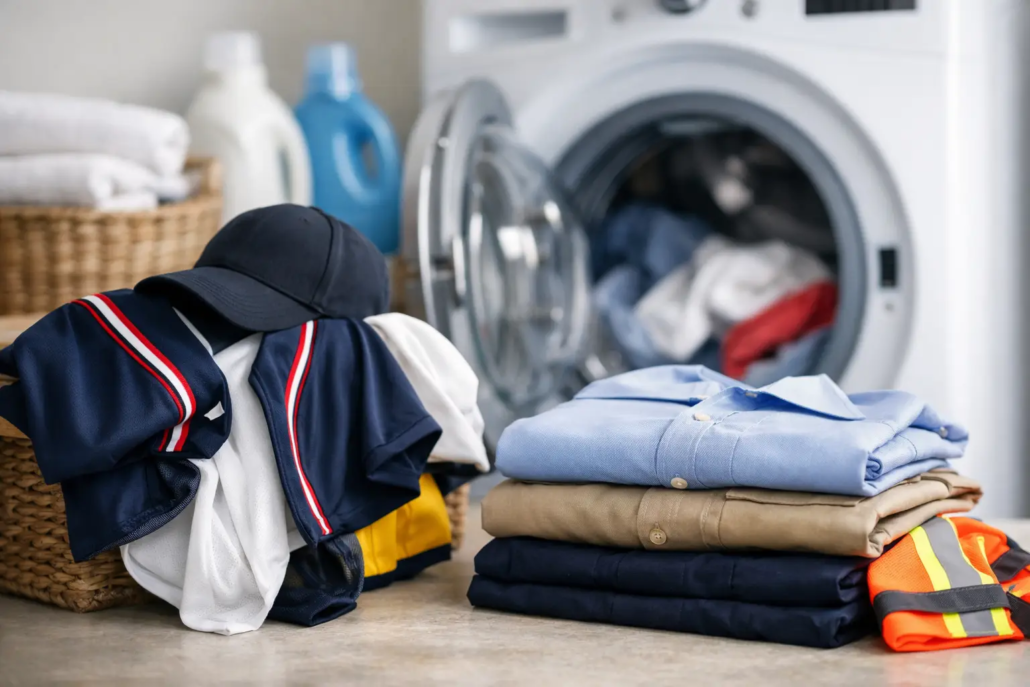
Best Way to Clean Uniforms Without Wearing Them Out
A uniform has a job to do long before the person wearing it clocks in, steps onto a field, or walks into class. It needs to look clean, fit comfortably, and hold its color through repeated wear. The best way to clean uniforms is to match the cleaning method to the fabric, soil level, and construction rather than treating every item like an ordinary load of laundry.
That matters because uniforms often face tougher conditions than everyday clothes. Food spills, perspiration, grease, grass, ink, medical stains, and frequent washing can all take a toll. A little extra care helps shirts stay bright, pants keep their shape, and embroidered names or company logos remain secure.
Start With the Care Label, Not the Stain
The care label is the most reliable place to begin. It tells you whether a uniform can be machine washed, needs cool water, should be dried at low heat, or requires professional cleaning. This is especially useful for uniforms made with performance fabrics, wrinkle-resistant finishes, reflective trim, structured jackets, or blended materials.
Many work shirts and school uniforms are cotton or cotton-polyester blends and can be laundered at home. However, a blazer, wool uniform piece, formal service attire, or garment with a tailored shape may need dry cleaning or professional wet cleaning. Washing those items incorrectly can cause shrinkage, puckering, fading, or loss of structure.
If the label says “dry clean only,” do not use a home washer as a shortcut. The cost of replacing a damaged uniform is often far more than proper cleaning.
Sort Uniforms by Color, Fabric, and Job
Do not toss uniforms in with towels, jeans, or heavily soiled household laundry. Towels leave lint, jeans can transfer dye, and rough items can wear down lightweight shirts and printed or embroidered details.
Sort light and dark uniforms separately. Also separate delicate or structured pieces from durable cotton polos, scrubs, and basic work shirts. When possible, wash uniforms with similar fabrics and colors so they receive the right cycle and are less likely to be damaged by zippers, hooks, or rough materials.
Turn garments inside out before washing. This simple step reduces abrasion on the outer surface, helps preserve printed designs and embroidery, and limits visible fading on dark colors. Fasten buttons, close zippers, and empty pockets first. Pens, receipts, tools, and lip balm can create stains or cause surprises in the wash.
Treat Stains Before They Set
The sooner a stain is addressed, the better the chance of removing it completely. Waiting until the end of the week allows food, body oils, and grease to settle into the fibers, where they become harder to lift without stronger treatment.
For most washable uniforms, gently blot fresh stains with a clean cloth rather than rubbing them. Rubbing can spread the stain and roughen the fabric. Apply a mild stain treatment that is appropriate for the garment, then allow it to sit for the recommended time before washing.
Different stains call for different approaches. Protein-based stains such as blood and sweat respond best to cool water, since heat can set them. Oil and grease stains usually need a treatment designed to break down oils before laundering. For ink, paint, heavy food grease, or mystery stains on a favorite uniform, professional care is the safer choice. Let the cleaner know what caused the stain and how long it has been there.
Avoid chlorine bleach unless the label specifically permits it. It may seem like the fastest way to brighten a white uniform, but repeated use can weaken fibers, yellow some synthetic blends, and damage colored trim or logos. An oxygen-based bleach is often gentler for washable white garments, but it should still be used according to the care label.
Use Cool or Warm Water and a Gentle, Complete Wash
Hot water is not automatically cleaner. For many uniforms, cool or warm water is the better choice because it protects color, reduces shrinking, and is kinder to elastic fibers and heat-applied emblems. Hot water may be appropriate for certain washable healthcare garments or heavily soiled cotton items when the label allows it, but it should not be the default.
Choose a quality detergent and use the recommended amount. Too much detergent can leave residue behind, making fabric feel stiff and causing dark uniforms to look dull. Too little may not remove body oils and everyday soil. If uniforms come home with a persistent odor, do not simply add more fragrance. Odor often means detergent residue, trapped perspiration, or a washer that needs cleaning.
Use a normal or permanent-press cycle for durable workwear and a gentler cycle for lighter shirts, athletic uniforms, or items with decorative details. Overloading the machine is another common problem. Uniforms need room to move through the water so detergent can rinse away properly.
The Best Way to Clean Uniforms and Protect Their Shape
Drying is where many uniforms lose their good fit. High dryer heat can shrink cotton, weaken stretch fibers, fade color, and make collars or waistbands lose their shape. When the label permits machine drying, choose low heat and remove uniforms while they are still slightly damp.
Hang shirts, polos, scrubs, and pants promptly to finish drying and smooth out wrinkles by hand. This reduces the amount of ironing needed later. For knit uniforms and garments that could stretch, lay them flat on a clean drying rack rather than hanging them from the shoulders.
If a uniform needs pressing, check the fiber content first. Cotton generally handles moderate heat, while polyester and performance fabrics need lower heat to avoid shine or melting. Iron inside out when possible, particularly around logos, decals, and embroidery. A pressing cloth provides an extra layer of protection for delicate fabrics and dark colors.
For a crisp business, hospitality, or service uniform, professional shirt laundering and pressing can be worth the time saved. The finish is more consistent, collars and cuffs receive focused attention, and the garment returns ready for the next shift rather than waiting on an ironing board.
Know When Professional Cleaning Is the Better Option
At-home laundry works well for many basic uniforms, but some garments benefit from trained handling. Tailored jackets, wool pieces, dress uniforms, pleated skirts, uniforms with metal accents, and items carrying set-in stains should not be treated like a standard wash load.
Professional dry cleaning or wet cleaning can be especially helpful for uniforms that need to look polished every day. These methods are designed to clean fabric while preserving shape and finish. Eco-conscious cleaning options can also be a practical choice for families and professionals who want careful garment care without harsh handling.
Alterations matter, too. A clean uniform cannot look fully professional if the sleeves are too long, the waistband slips, or a hem is dragging. Small repairs, replacement buttons, seam reinforcement, and fit corrections can extend the useful life of uniforms that are otherwise in excellent condition.
For busy households, a dependable pickup and delivery service removes one more task from the weekly routine. Joe’s Organic Dry Cleaning & Tailoring can handle cleaning, pressing, and alterations in one place, which is particularly useful when several family members have different uniform needs.
Build a Simple Uniform Care Routine
The most effective routine is usually the one that prevents a pileup. Hang uniforms up after each wear instead of leaving them in a gym bag or laundry basket. Airing them out helps moisture evaporate and can reduce odor between washes when the garment is not visibly soiled.
Wash washable uniforms regularly enough to remove perspiration and stains, but do not overwash items that were worn briefly and remain clean. Keep a quick check before laundry day: look at collars, cuffs, underarms, knees, and pockets, where stains tend to hide. Treat small issues early, and set aside any garment with a loose hem, missing button, or stubborn stain before it becomes a last-minute problem.
A well-cared-for uniform does more than look neat. It helps the wearer feel prepared, comfortable, and confident when the day starts. With the right washing habits and professional help when the garment calls for it, every uniform can stay ready for the work, school, team, or service it represents.

