
A Tailoring Services Review for Better Fit
A jacket can be clean, expensive, and still feel wrong the moment you put it on. Sleeves that cover too much of your hand, trousers that break in a puddle over your shoes, or a dress that shifts at the shoulders can change how you look and feel all day. A useful tailoring services review is not just about whether a shop shortened a hem. It is about whether the finished garment fits your body, preserves its original shape, and is ready when you need it.
For busy professionals, families, and anyone preparing for an event, tailoring is often the difference between clothes that stay in the closet and clothes that become reliable favorites. The best service makes that process clear, practical, and respectful of the garment in front of them.
What a Tailoring Services Review Should Really Measure
Online star ratings can be helpful, but they do not tell the full story. A good alteration is easy to overlook because it looks like the garment was made that way from the start. The seam sits smoothly, the proportions look balanced, and nothing pulls, twists, or feels restrictive when you move.
That is why a meaningful review should look beyond speed and price alone. Ask whether the tailor listens to the customer’s goal. A hem for commuting in flats may need a different length than a hem for a formal event in heels. A suit jacket can be taken in, but the right amount depends on shoulder fit, posture, fabric weight, and how the wearer needs to move during the day.
Quality also means knowing when an alteration is not advisable. Some changes are simple and effective, while others can be costly or may disrupt the garment’s proportions. A dependable tailor should explain the trade-off honestly instead of promising a result that the construction of the item cannot support.
Signs of Skilled, Careful Alterations
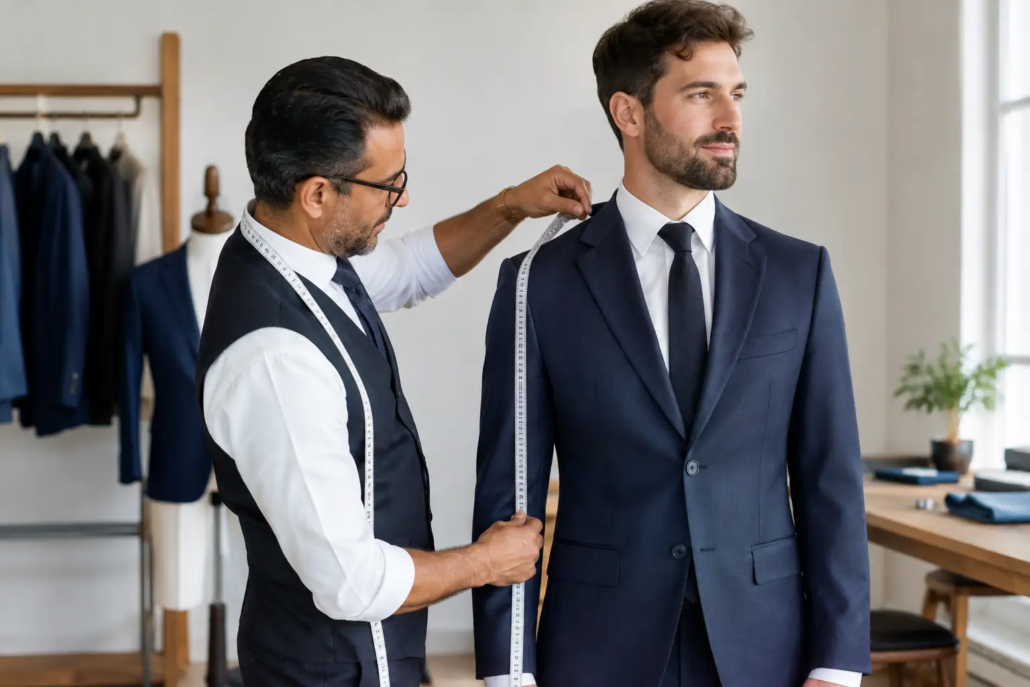
The first sign is a proper fitting conversation. The tailor should ask how and where you wear the garment, then have you stand naturally rather than pose rigidly. Bring the shoes and undergarments you expect to wear with the item when they affect the fit. This is especially helpful for evening gowns, wedding attire, wide-leg pants, and uniforms.
Look closely at the work after the alteration. Hems should be even and lie flat. Seams should not pucker or pull. On lined jackets, dresses, and skirts, the lining should move comfortably with the outer fabric rather than bunching underneath. Buttons, hooks, zippers, and closures should feel secure and sit in their intended position.
Experienced tailoring also protects the garment’s details. Patterned fabrics need careful matching at seams. Pleats need to keep their shape. Delicate fabrics may need a lighter touch, and structured garments often require more than simply moving a seam. These details matter because they affect whether the clothing still looks polished from every angle.
Common Alterations That Deliver Real Value
Many of the most worthwhile adjustments are straightforward: hemming pants, jeans, skirts, and dresses; shortening sleeves; replacing a zipper; repairing a seam; or taking in a waist. These changes can make everyday clothing more comfortable and help workwear look intentional rather than borrowed or worn out.
More involved work includes reshaping a blazer, adjusting a formal gown, altering a wedding dress, or repairing a damaged lining. These garments require extra care because their structure, layers, and finishing details can affect the final result. The right choice depends on the garment’s quality, sentimental value, and expected use. Altering a well-made suit you wear every week may be an easy decision. Major changes to a low-cost item may not always be the best value.
Why Cleaning and Tailoring Work Better Together
Alterations do not happen in isolation. A stain near a hem, a jacket that needs pressing, or a dress with a delicate fabric may need professional garment care before or after the fitting. Using one provider for cleaning, pressing, and tailoring helps keep the process organized and reduces the chance of a garment being handled without a clear understanding of its needs.
This matters for clothing that has to be ready on schedule. Think of a suit before an interview, a child’s uniform before the school week, or formalwear before a wedding. When cleaning and fit correction are handled together, you can address both appearance and comfort instead of making separate trips and hoping each service lines up with the other.
Fabric-conscious cleaning is particularly useful before an alteration when dirt, oils, or old marks could interfere with the final presentation. It can also be helpful after a repair, when pressing and finishing make the work blend naturally into the garment. Organic K4 dry cleaning and professional wet cleaning give garment care professionals options for treating different fabrics appropriately rather than using a one-size-fits-all approach.
Convenience Matters, but Communication Matters More
Convenience is a real part of a good experience. Pickup and delivery can save time for households balancing work, school, travel, and events. However, tailoring usually requires at least one in-person fitting, particularly for fitted dresses, suits, and garments with complex construction. A service should make that clear from the beginning.
The best arrangement is often simple: arrange pickup or delivery for routine dry cleaning, shirt laundry, pressing, and finished items, then schedule a fitting when measurements and pinning are needed. This gives you the time-saving benefit of a local garment care service without treating a fit-sensitive alteration like an item that can be judged from a hanger.
Clear communication is another mark of quality. You should know what adjustment is being made, what the garment will look like afterward, and when it will be ready. If a repair reveals a hidden issue such as weakened fabric, a damaged zipper track, or a stain that needs special attention, a professional should contact you with options.
Questions to Ask Before You Leave a Garment
A few direct questions can prevent disappointment. Ask whether the requested change is possible without affecting the garment’s balance or original design. Ask if you should return for a final fitting, especially for formalwear or tailored jackets. If timing matters, confirm the promised completion date and let the shop know the date of your event.
It is also reasonable to ask how the item should be cleaned after the alteration. A newly shortened silk dress, a repaired comforter, and a tailored wool blazer all have different care needs. Good advice helps you protect the investment after the work is complete.
For garments with emotional or financial value, point out any existing concerns before service begins. Mention stains, loose embellishments, fragile areas, or previous repairs. Taking a moment to set expectations is far easier than trying to reconstruct them after the garment has been worked on.
A Tailoring Services Review Starts With Your Needs
The right tailoring service is not always the one that offers the most dramatic changes. It is the one that helps your clothes work better for your real life: comfortable through a full workday, sharp for an important occasion, and ready to wear without added errands.
At Joe’s Organic Dry Cleaning & Tailoring, that practical approach means bringing cleaning, pressing, repairs, and fit corrections together in one neighborhood service. Whether you need a dependable hem on work pants or careful attention for special occasion clothing, start with a fitting conversation and a clear plan for how you want the garment to feel when you walk out the door.
