
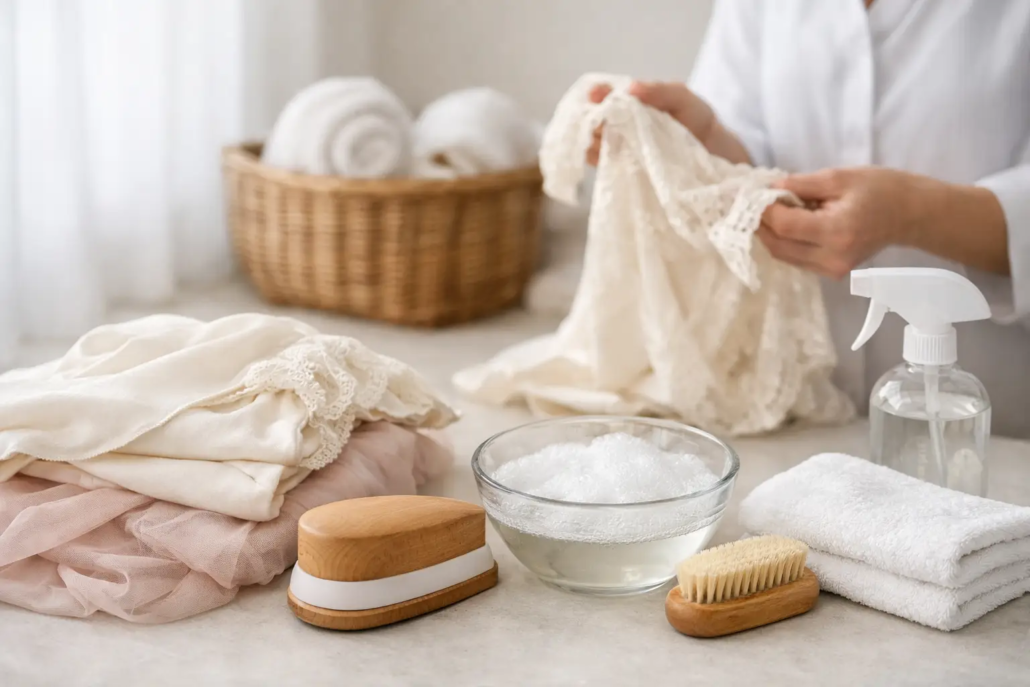
Best Cleaning for Delicate Fabrics at Home or Pro
A silk blouse can look perfectly fine after one rushed wash, then lose its soft finish by the next wear. A wool sweater may shrink before it ever reaches the dryer. That is why the best cleaning for delicate fabrics is not one universal setting or detergent. It is a fabric-by-fabric decision based on fiber, construction, color, embellishment, and how much risk the garment can tolerate.
For busy households, the goal is simple: keep favorite clothing, workwear, and occasion pieces clean without turning routine care into an expensive replacement cycle. Some delicate items can be safely handled at home. Others are better left to professional cleaning, pressing, or wet cleaning from the start.
Start With the Care Label, Then Look Closer
The care label is the best first instruction, but it does not tell the whole story. “Dry clean only” is usually a strong signal that the fabric, lining, dyes, trim, or garment structure may be damaged by ordinary washing. This is especially true for tailored jackets, pleated skirts, lined dresses, suits, and formalwear.
A label that says “hand wash” or “machine wash gentle” gives you more flexibility, but the item still needs thoughtful handling. A lightweight cashmere sweater, for example, may be washable, yet it can stretch if it is hung wet. A washable silk top may survive a gentle cycle, but a dark color can bleed if it is washed with lighter pieces.
Before cleaning, check for details that make a garment more vulnerable: beading, sequins, lace overlays, glued decorations, leather trim, sharp creases, shoulder padding, or a lining made from a different material. These details often matter as much as the main fabric.
Best Cleaning for Delicate Fabrics at Home
Home cleaning works best when the care label permits washing and the garment has no structured tailoring, fragile embellishments, or stubborn stains. The method should be gentle from beginning to end, not just during the wash cycle.
Silk: Cool Water and Minimal Handling
Many washable silk garments do well with cool water and a small amount of mild detergent made for delicate fabrics. Turn the item inside out, wash it separately or with similar colors, and avoid twisting or wringing it out. Press excess water out gently with a clean towel instead.
Silk is sensitive to heat, friction, and certain spot treatments. Perfume, perspiration, and oil stains should be addressed promptly, but rubbing can leave a permanent light spot or rough patch. For a silk dress, blouse, or scarf with an unknown stain, professional care is usually the safer choice.
Wool and Cashmere: Wash Rarely, Dry Flat
Wool does not need to be washed after every wear. Often, airing it out and brushing away surface lint is enough. When washing is needed, use cool water and a wool-safe cleanser. Agitation is the enemy here. Excess movement can cause fibers to felt, making a soft sweater dense, stiff, and smaller.
Never hang a wet wool or cashmere item from a hanger. Reshape it on a towel and dry it flat, away from direct sunlight or a radiator. If the piece is a tailored wool blazer, coat, or lined skirt, do not attempt a home wash. The outer fabric may be wool, but the inner construction can lose its shape when wet.
Lace, Chiffon, and Sheer Fabrics: Support Is Everything
Lace and chiffon can snag on zippers, hooks, and even rough towel loops. If the label allows laundering, place the item in a fine mesh bag, use the delicate cycle with cold water, and keep the load small. Hand washing is often even better for pieces with fine lace panels or sheer sleeves.
Skip heavy stain removers and bleach. They can weaken fine fibers and discolor ivory or pastel fabrics. Lay these garments flat or drape them carefully over a drying rack so they are supported as they dry.
Delicate Synthetics: Gentle Does Not Mean Indestructible
Rayon, acetate, modal, and some blends can feel simple to care for, but they may lose shape, develop water marks, or shrink when wet. Rayon is particularly unpredictable because its strength drops when saturated. A rayon dress with pleats, a fitted bodice, or a lining deserves professional attention.
For uncomplicated washable synthetic tops or sleepwear, cold water, a mild detergent, and low agitation are usually appropriate. Avoid high dryer heat, which can damage elastic fibers and make synthetics hold onto odors.
Why Drying and Pressing Matter So Much
A delicate garment can make it through washing and still be damaged afterward. High heat is one of the most common causes of shrinkage, fading, puckering, and weakened fibers. When possible, air dry delicate items away from direct sun. If a dryer is permitted, use the lowest heat setting and remove the garment while it is still slightly damp.
Ironing also requires restraint. Silk, acetate, wool, and synthetic blends can scorch or develop shiny marks under a hot iron. Use the lowest recommended temperature, turn the garment inside out, and place a clean pressing cloth between the iron and the fabric. Steam may help with wrinkles, but too much moisture can leave marks on silk or distort certain finishes.
Professionally pressed garments are not simply ironed harder. Proper finishing considers the fabric, seam shape, collar, cuffs, pleats, and the way the piece should hang on the body. That attention is especially valuable for business clothing and garments needed for an event.
When Professional Cleaning Is Worth It
There is a practical point where doing it yourself stops saving time or money. Professional cleaning is a smart choice when a garment is expensive, sentimental, structured, heavily stained, or difficult to replace. Wedding dresses, formal gowns, suits, blazers, wool coats, comforters, curtains, uniforms, and embellished pieces all benefit from specialized handling.
Professional cleaners may use fabric-conscious wet cleaning or dry cleaning methods depending on what the garment needs. Organic K4 dry cleaning, for example, is a modern solvent-based option used for many dry-clean-only garments. The right process depends on the item, its stains, and its construction, not simply the label.
It also helps to bring garments in sooner rather than later. Old food, beverage, makeup, body oil, and perspiration stains can set over time. Heat from an iron or dryer can make them even harder to remove. Point out stains when dropping off an item, along with any detail that may not be obvious, such as a spilled drink at an event or a spot that has already been treated at home.
Common Mistakes That Shorten a Garment’s Life
The biggest mistake is treating a delicate item like ordinary laundry because it looks washable. Overloading the machine, using too much detergent, washing with jeans or towels, and relying on hot water all create unnecessary friction and stress.
Another common problem is trying several stain remedies at once. Mixing products or repeatedly rubbing one spot can alter the color or texture of the fabric. If the stain remains after a light, fabric-safe attempt, stop before the damage becomes more noticeable than the stain.
Storage matters, too. Clean delicate garments before putting them away for a season, since invisible body oils can attract pests and cause discoloration. Fold knitwear rather than hanging it, use shaped hangers for structured jackets, and keep special occasion garments protected from dust and prolonged light exposure.
A Better Routine for a Ready-to-Wear Wardrobe
The best approach is usually a mix of light home care and professional service. Wash simple, label-approved delicate basics carefully. Air out wool between wears. Handle minor wrinkles with low heat and patience. Then reserve professional cleaning for items where fit, finish, stain removal, or fabric preservation truly matters.
For Westbury-area households balancing work, school, travel, and special events, pickup and delivery can make that routine easier to maintain. Joe’s Organic Dry Cleaning & Tailoring can help care for delicate clothing while also handling pressing, repairs, and fit adjustments in one place.
A favorite garment should not become a risky laundry experiment. When you are uncertain about the fiber, the stain, or the right method, set it aside and ask before washing. That small pause can keep a delicate piece looking polished for many more wears.

