
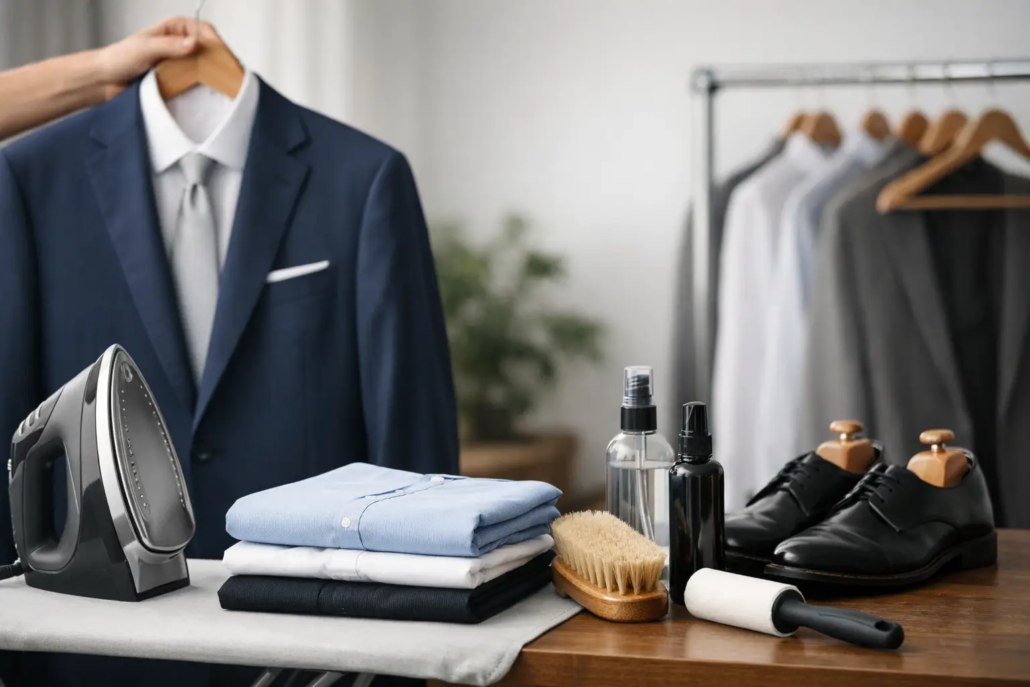
Best Care for Business Attire That Lasts
Monday morning gets harder when your suit pants have a shine at the knees, your blouse has deodorant marks, and your favorite blazer still smells like last week’s dinner reservation. The best care for business attire is not just about keeping clothes clean. It is about keeping them ready, polished, and wearable for the long run without wearing them out too soon.
For most working professionals, business clothing takes more stress than casual wear. Suits get creased in the car and at the desk. Dress shirts collect collar oils and cuff soil faster than people realize. Structured jackets lose shape when they are cleaned the wrong way or hung on weak hangers. If you want your work wardrobe to look sharp and last, the care routine matters just as much as the purchase.
What the best care for business attire really means
Good garment care is a mix of cleaning, pressing, storage, and timing. A lot of people focus only on stains. The bigger issue is usually gradual wear. Repeated home washing, rushed ironing, overcrowded closets, and waiting too long for repairs can age business clothes faster than daily use alone.
The right approach depends on the item. A cotton dress shirt can usually handle regular professional laundering and pressing. A wool suit jacket is different. It may not need full cleaning after every wear, but it does need rest between uses, careful brushing, and occasional professional treatment to remove oils and restore shape. Silk blouses, lined skirts, trousers with a crease, and garments with shoulder structure all have their own care needs.
That is why one-size-fits-all advice falls short. The best care for business attire is fabric-conscious and routine-based, not just reactive when something looks dirty.
Start with wear habits, not the cleaning tag
How you wear business attire affects how often it needs care. Rotating garments is one of the easiest ways to extend their life. If you wear the same two dress shirts every week and let the rest sit untouched, those two will age quickly at the collar, cuffs, and underarms. The same goes for trousers that get constant seat and knee friction.
Give jackets and suits a day off between wears when possible. Wool and other tailored fabrics recover better when they have time to release moisture and settle back into shape. If something is not visibly stained, airing it out after work can be more helpful than over-cleaning it.
Undershirts also matter more than people think. They reduce body oils and perspiration transfer, especially in jackets and dress shirts. That means fewer cleanings, less fabric stress, and better long-term appearance.
Cleaning business clothes without shortening their life
Many business garments do not fail because they were worn too much. They fail because they were cleaned too aggressively or with the wrong method. Home washing can be perfectly fine for some office basics, but it is risky for anything tailored, lined, pleated, or made from delicate fibers.
Dress shirts are usually straightforward. Professional shirt laundry gives you a cleaner collar, a crisper finish, and less shrinkage risk than repeated hot water cycles at home. It also saves time, which matters when you need five ready-to-wear shirts every week.
Suits, blazers, dress slacks, silk tops, and lined dresses need more judgment. These items often benefit from professional dry cleaning or wet cleaning, depending on the fabric and construction. The right method lifts soil while protecting shape, drape, and finish. That balance is where experience matters.
There is also a trade-off. Cleaning too often can cause unnecessary wear, but waiting too long lets oils and stains settle in. As a practical rule, clean business attire when there is visible spotting, odor, buildup at contact areas, or a loss of overall freshness and shape. For some people that means every few wears. For others, especially those in climate-controlled offices, it may be less frequent.
Pressing is part of care, not just appearance
A lot of clothing damage happens during rushed touch-ups at home. High heat, direct ironing on wool, and flattening seams that should keep dimension can leave shine marks or distort fabric. Business attire often looks simple, but many garments are carefully shaped. Pressing them correctly is not the same as just removing wrinkles.
This matters most with trousers, suit jackets, pleated skirts, and shirts with fused collars and cuffs. Professional pressing restores a clean line without crushing the garment’s structure. That means crisp creases where they belong and softness where the garment needs natural shape.
If you do press at home, use lower heat than you think you need and always work with a pressing cloth on delicate items. Steam helps, but too much moisture in the wrong spot can leave water marks or stretch fabric.
Storage can protect or ruin a work wardrobe
Clean clothes can still come out looking tired if they are stored poorly. Thin wire hangers are especially rough on blazers, jackets, and coats because they do not support the shoulders. Over time, that can change the silhouette. Sturdy shaped hangers are a better choice for structured pieces.
Trousers should either be hung properly or folded along their crease in a way that avoids deep, random lines. Shirts need enough space in the closet so collars do not get crushed. If your closet is packed tight, even freshly pressed clothing will wrinkle before you wear it.
Garment bags can help, but breathable bags are better than sealed plastic for long-term storage. Clothes need airflow, especially after cleaning. Plastic is fine for transport, but not ideal as a permanent closet solution.
Shoes and accessories also affect clothing care. If your belt catches shirt hems or your bag rubs one side of a jacket every day, you will see uneven wear. These small patterns add up.
Repairs and alterations are part of the best care for business attire
The best-looking business wardrobe is not always the newest one. Often it is the one that gets maintained. Loose buttons, dropped hems, frayed cuffs, small seam openings, and worn pocket linings are easy to ignore until they turn into bigger problems.
Quick repairs keep garments in rotation and prevent avoidable replacement. Alterations matter too. Clothing that fits properly wears better. Trousers that drag break down at the hem. A jacket that pulls across the back puts stress on seams. Shirt sleeves that are too long fray sooner at the cuff edge.
This is especially true after weight changes, job changes, or seasonal wardrobe shifts. Instead of replacing a good suit or dress right away, a few fit corrections can make it look current and feel comfortable again.
Common mistakes people make with office clothes
Some of the most common care problems come from good intentions. People spray too much stain remover on a silk blouse and leave a ring. They wash a “washable” dress at home without noticing it has a structured lining. They hang a damp blazer back in the closet. They iron over a stain, which sets it deeper.
Another common mistake is treating all stains the same. Coffee on cotton is one thing. Oil-based salad dressing on wool or makeup on a jacket lapel is another. The wrong cleaning attempt can spread the stain or affect color.
Then there is the habit of delaying care. A shirt with mild collar soil is easier to clean than one that has built up over weeks. The same goes for perspiration marks, which can become more stubborn and more damaging over time.
When professional garment care makes the most sense
If you wear business attire regularly, professional care is less of a luxury and more of a maintenance plan. It saves time, keeps finishing consistent, and helps prevent the trial-and-error damage that happens at home.
This is especially useful for busy households and commuters who need clothing ready on schedule. Weekly shirt service, occasional suit care, and timely alterations can keep a work wardrobe dependable without turning garment care into another weekend task. For local professionals in and around Westbury, having cleaning, pressing, tailoring, and pickup and delivery handled through one provider can make the routine much easier to keep up with.
The eco-conscious side matters too. Better cleaning methods and fabric-appropriate handling can be gentler on garments while still delivering the polished finish people expect from office wear. That is good for your clothes and practical for a wardrobe you rely on every week.
A simple routine that works
The best routine is the one you can stick to. Brush and air out suits between wears. Do not overload your closet. Send shirts out regularly instead of waiting until you are down to one wrinkled option. Handle stains quickly, but carefully. Repair small problems before they become expensive ones. And for tailored or delicate pieces, let garment professionals guide the cleaning method.
Business attire does not need constant fussing. It needs consistent, informed care. When that routine is in place, your clothes look better, fit better, and stay ready for the next meeting, presentation, or event without demanding so much of your time.

