
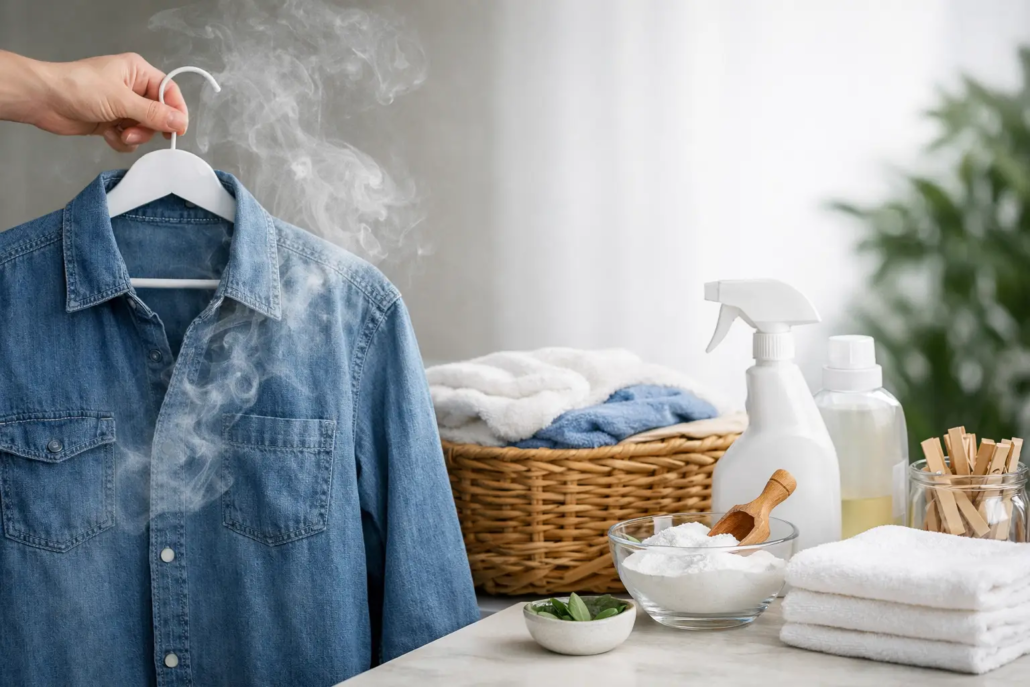
How to Remove Smoke Odor From Clothes
Smoke has a way of settling in fast and hanging on longer than you expect. One dinner near a fire pit, one night in a smoky room, or one kitchen mishap can leave your clothes, coats, or household fabrics smelling like smoke days later. If you are trying to figure out how to remove smoke odor without damaging the item, the right method depends on both the fabric and how deeply the smell has set in.
How to remove smoke odor without making it worse
The first mistake people make is trying to cover the smell with detergent, fabric spray, or perfume. That may help for a few hours, but smoke odor usually comes back because the odor particles are still trapped in the fibers. Heat can make that worse. If you toss a smoke-smelling garment into a hot dryer too soon, you may set the odor more deeply.
Start by separating the affected items. A cotton T-shirt, a lined blazer, a down comforter, and a pair of curtains should not all be treated the same way. Washable everyday items can usually handle a more direct approach. Structured garments, delicate fabrics, and anything labeled dry clean only need more care.
Fresh air is a good first step, but it is rarely the whole solution. Hanging a garment outside or in a well-ventilated area can help release some surface odor, especially if the smoke exposure was light. It works best as a starting point before washing or professional cleaning, not as a complete fix for stronger smells.
Start with the fabric care label
Before you do anything, check the care label. That small tag can save you from shrinking, fading, warping, or damaging a garment that needs special handling.
If the item says machine wash, you have more room to work with. If it says hand wash, use a gentler process and avoid aggressive scrubbing. If it says dry clean only, do not experiment with soaking it in household mixtures. Suits, blazers, formalwear, wool coats, pleated pieces, and lined garments can lose shape quickly when treated the wrong way.
This is where smoke odor becomes less of a laundry problem and more of a fabric care problem. Removing the smell matters, but preserving the garment matters too.
For washable clothes, use a two-step approach
For shirts, casual pants, pajamas, and other washable everyday items, the best results usually come from pretreating and then washing thoroughly.
First, let the item air out for several hours if possible. Then wash it with a quality detergent using the warmest water allowed by the care label. If the odor is noticeable, a second wash may be needed. That is not unusual with smoke. One cycle may clean the garment, but not fully remove the smell.
If the fabric allows it, adding a laundry-safe odor treatment can help. Many people use baking soda in the wash because it can help absorb lingering odor. Vinegar is another common home option, usually added during the rinse cycle, but it is not ideal for every fabric and should never be mixed carelessly with other products. With either method, more is not always better. Overdoing it can leave residue or affect the feel of the fabric.
After washing, smell the item before drying. If smoke odor is still there, wash it again instead of putting it in the dryer. Heat can lock in what is left.
How to remove smoke odor from coats, suits, and delicate garments
This is the point where many at-home fixes go wrong. Jackets, suits, dresses, uniforms, and special occasion garments often have inner structure, shoulder shaping, interfacing, linings, or trim that does not respond well to soaking or standard washing. Even if the outside fabric looks sturdy, the inside construction may not be.
For these items, brushing off surface debris and airing them out is fine as a first step. After that, professional cleaning is often the safer move, especially if the odor is heavy or the garment is expensive. Smoke can settle into linings and padding, not just the outer fabric, which is why a blazer may still smell even after home treatment.
Professional garment care can also help when an item needs finishing after cleaning. A coat or suit that smells better but loses its shape is not really fixed. That is why structured clothing often benefits from cleaning methods designed to treat odor while protecting drape, fit, and finish.
Household fabrics can hold smoke even more than clothing
Curtains, comforters, decorative pillows, and fabric table linens are often overlooked when a room still smells smoky. Clothing may have picked up the odor, but the larger fabric surfaces in the home can keep reintroducing it.
Curtains are a common culprit because they absorb airborne particles over time. Some can be washed at home, but many lined or pleated panels are better handled professionally. Comforters and bulky bedding can also trap odor deep inside the fill, which makes surface spraying ineffective.
If you clean your clothes but the closet, bedroom, or guest room still has a stale smoke smell, it may be worth looking at the surrounding fabrics too.
When home remedies work and when they do not
Light smoke exposure is very different from heavy exposure. A sweater worn for one evening near a bonfire may respond well to airing out and washing. A garment exposed to cigarette smoke repeatedly over time, or fabrics affected by a small house fire or kitchen fire, usually need a stronger approach.
That is the trade-off with home care. It is convenient for simple cases, but it has limits. Sprays may mask odor rather than remove it. Washing can work well for basic fabrics, but it can also miss smoke trapped in linings or damage garments that were never meant for home laundering.
If you have already washed an item once or twice and the smell keeps coming back, that is usually a sign the odor is embedded more deeply. At that point, repeating the same home method often adds wear without solving the problem.
A few common mistakes to avoid
People often reach for hot water, heavy fragrance, or direct sunlight, hoping stronger treatment means faster results. Sometimes it does the opposite.
Hot water can shrink or fade certain fabrics. Strong fragrances can combine with smoke and create an even harsher smell. Leaving garments in intense sun for too long can affect color, especially on darker clothing. Another mistake is storing smoky items before they are fully treated. A garment bag, closet, or drawer can trap and spread the odor.
It also helps to avoid overcrowding the washer. Clothes need room for water and detergent to circulate. If the load is packed too tightly, odor removal is less effective.
When professional cleaning makes the most sense
If the item is valuable, delicate, tailored, or hard to replace, professional cleaning is often the better choice from the start. The same goes for wedding dresses, formalwear, uniforms, wool coats, comforters, and lined curtains. These are not good test cases for online laundry hacks.
For busy households and working professionals, there is also the convenience factor. Sometimes the real question is not just how to remove smoke odor, but how to do it without spending a whole weekend rewashing clothes and second-guessing fabric care labels. A professional cleaner can help remove odor while keeping garments ready to wear, which matters when the item is part of your workweek or an upcoming event.
At Joe’s Organic Dry Cleaning & Tailoring, this is often where customers see the difference between a quick cover-up and a proper reset. Smoke odor can be stubborn, but garments also need the right cleaning method and finishing to come back looking polished, not just smelling better.
What to do if the smell is still there
If an item still smells after treatment, pause before trying something harsher. Recheck the label, think about the fabric type, and consider how deep the smoke exposure was. A washable cotton shirt may simply need another careful wash. A suit jacket that still smells after airing out probably needs professional attention, not a DIY soak.
It also helps to clean related items nearby. If your coat smells fine but your scarf, car upholstery, or entryway fabric bench still carry smoke odor, the smell may seem like it never left.
Smoke odor is frustrating because it clings quietly and then shows up again when the fabric warms up during wear. The good news is that most items can be saved with the right approach. The key is matching the method to the garment instead of treating every fabric the same way.
A smoke smell does not always mean something is ruined. Sometimes it just means the item needs a little patience, and sometimes it means it deserves professional care before you wear it again.

