
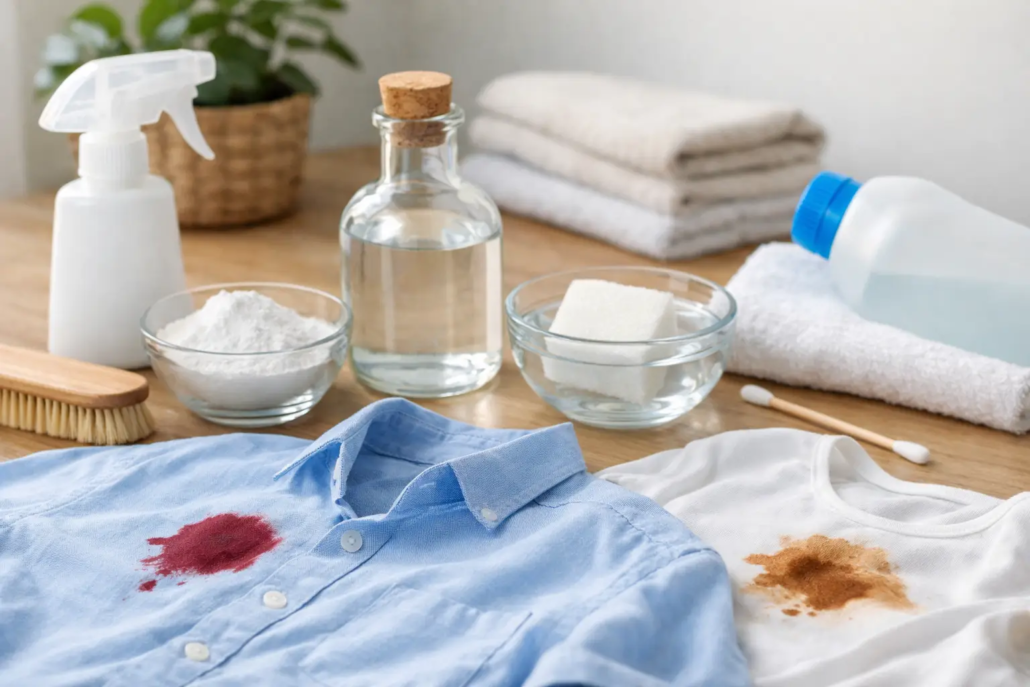
Guide to Garment Stain Removal
Coffee on a dress shirt before work, sauce on a blouse right before dinner, makeup along a collar you just had pressed – stains rarely show up when it is convenient. A good guide to garment stain removal starts with one simple truth: what you do in the first few minutes matters just as much as the cleaning method itself.
Most stain problems get worse for two reasons. People either scrub too hard and damage the fabric, or they wait too long and let the stain set. The safest approach is usually gentler and faster than people expect. Blot, identify the stain if you can, and avoid using random household cleaners unless you know the fabric can handle them.
A practical guide to garment stain removal starts with the fabric
Before treating any stain, check the care label and think about what the garment is made of. Cotton dress shirts, polyester uniforms, silk blouses, wool jackets, and structured formalwear do not respond the same way. A method that works on a kitchen towel can permanently mark a lined blazer.
That is why stain removal is never one-size-fits-all. Water can help with some spills, but on certain fabrics it can leave rings, distort shape, or affect dyes. Heat can lift one stain and lock in another. Even rubbing with a clean towel can rough up delicate fibers.
If the item is everyday washable clothing, you usually have more room to act at home. If it is dry clean only, tailored, embellished, vintage, or expensive, the better choice is often to stop after basic first aid and let a professional handle the rest.
The first five minutes matter most
When a spill happens, blot instead of rub. Use a clean white cloth or paper towel and press gently to absorb as much as possible. If there are solids, lift them off with the edge of a spoon or dull knife rather than grinding them into the fabric.
If the stain is fresh and the garment is water-safe, a small amount of cold water can help dilute it. Cold is the safer default because hot water can set protein-based stains such as blood, dairy, and sweat. Keep the affected area isolated so the stain does not spread into surrounding fabric.
One common mistake is layering product after product. Dish soap, stain stick, vinegar, baking soda, and laundry detergent all at once is more likely to create residue than a clean result. Start with the mildest useful option and give it a chance to work.
Common stains and the safest first response
Food and drink stains vary more than people think. Coffee and tea leave tannin stains that often respond well to quick blotting and cold water on washable fabrics. Red wine is trickier because of both pigment and acidity. Blot immediately, do not rub, and avoid heat until the stain is fully gone.
Grease, butter, salad dressing, and cooking oil need a different approach. Water alone usually will not do much. On washable garments, a small drop of gentle dish soap can help break down the oil before laundering. On silk, wool, acetate, or dry clean only items, home treatment can create a larger mark, so restraint is usually the smart move.
Makeup is another frequent problem, especially around collars and cuffs. Foundation, lipstick, and concealer often contain oils, waxes, and pigments. That combination makes aggressive scrubbing a bad idea. Blot first, test any cleaner in an inconspicuous area, and remember that delicate blouse fabrics can abrade quickly.
Ink deserves extra caution. Ballpoint ink, felt-tip marker, and gel pen do not behave the same way. Alcohol-based spot treatment may help some inks, but it can also spread the mark or disturb the dye in the garment. If ink lands on a suit, dress, uniform, or lined piece, getting professional help early usually gives you the best chance of full removal.
Sweat, deodorant, and body oil buildup
Not every stain happens all at once. Some build slowly over time, especially around underarms, collars, and cuffs. Sweat, deodorant, and body oils create yellowing, stiffness, and darkened fabric that regular washing may not fully remove.
These stains are more stubborn because they are part stain and part buildup. Home care can improve them, but repeated treatment may still leave discoloration, especially on white shirts and light blouses. In those cases, professional garment care can often improve both the appearance and the finish without overworking the fabric.
When home stain removal works – and when it does not
For washable everyday items, home treatment makes sense when the stain is fresh, the fabric is sturdy, and the risk is low. Think school clothes, casual cottons, basic activewear, or a kitchen apron. Even then, patience matters. It is better to repeat a mild treatment than to force a harsh one.
But there are clear cases where home methods are risky. Wedding dresses, suits, wool coats, silk garments, pleated items, lined jackets, uniforms, and anything with beading or specialty trims should not be treated casually. The same goes for large household items such as comforters and curtains, where uneven cleaning can leave visible results.
There is also the issue of finish and shape. A stain might come out, but the garment can still look wrong if the pressing, structure, or drape is affected. That matters for office wear, formalwear, and pieces you rely on to look polished.
A guide to garment stain removal for busy households
If your week is already packed, stain care is really about decision-making. Ask three questions right away: What caused the stain, what fabric is this, and how much risk am I willing to take with this item? That quick check prevents a lot of avoidable damage.
For families and working professionals, the most useful habit is separating minor washable problems from garments that support your work and schedule. A polo shirt with a small food stain is one thing. A blazer before a meeting, a school uniform needed tomorrow, or a formal dress before an event is another.
This is where convenience matters as much as technique. Having a reliable cleaner for the pieces you cannot afford to ruin saves time, but it also reduces the guesswork that leads to permanent stains. Joe’s Organic Dry Cleaning & Tailoring often sees garments that could have been saved more easily if they had not been over-treated at home first.
What to tell a cleaner about a stain
If you are bringing in a stained item, details help. Say what spilled, when it happened, and whether you applied anything at home. That information can affect the cleaning method. A grease stain that was treated with dish soap is different from one that was left alone, and a red wine stain after hot water is a different challenge than one blotted immediately.
It also helps to point out stains even if they seem obvious. Some marks fade when dry and become harder to spot during intake. The more precise you are, the more targeted the treatment can be.
Mistakes that make stains harder to remove
The biggest mistake is heat. Putting a stained garment in the dryer before confirming the mark is gone can set the stain and make removal far more difficult. Ironing over a stain can do the same thing, especially on shirts and uniforms.
The second mistake is rubbing hard. People often assume force equals effectiveness, but friction can damage fibers, spread the stain, or create a worn patch that remains visible even after the stain is removed.
The third mistake is using the wrong cleaner for the wrong fabric. Bleach on protein fibers, strong solvents on delicate synthetics, and heavy stain products on dark colors can all create new problems. Sometimes the real damage is not the stain. It is the fix.
The goal is not just stain removal – it is keeping the garment wearable
A clean garment still has to look good, fit right, and be ready for real life. That is why stain removal should be thought of as part of overall garment care, not a separate rescue mission. Fabric condition, color retention, pressing quality, and shape all matter, especially for workwear and special occasion clothing.
If you remember only one thing, make it this: act quickly, stay gentle, and know when the item is worth professional care. A little restraint in the moment often saves a favorite piece, and that is always better than learning the hard way after the stain is set.

