
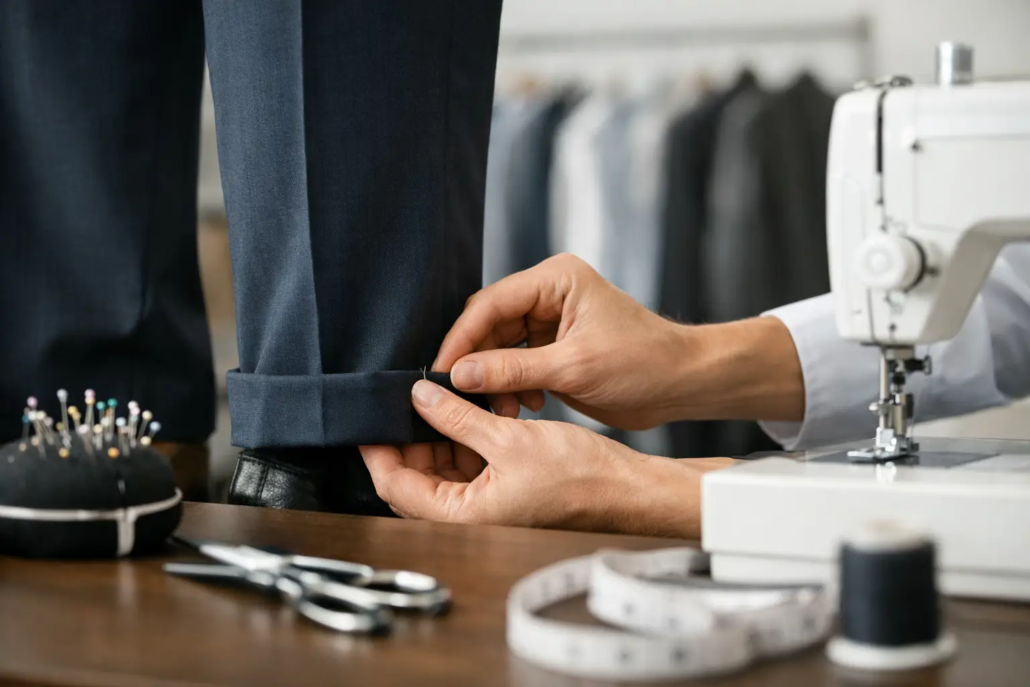
Can Dry Cleaners Fix Hems? What to Expect
That pair of pants fits perfectly at the waist, but the hem puddles around your shoes. Or maybe a dress that looked right in the fitting room suddenly feels an inch too long once you put on the heels you actually plan to wear. If you have ever asked, can dry cleaners fix hems, the short answer is yes – many can, and for a lot of everyday garments, it is one of the most common alterations they handle.
The better answer is that it depends on the garment, the fabric, the construction, and how much needs to be changed. Some hems are simple, quick, and straightforward. Others take more skill because the garment has lining, delicate fabric, original stitching details, or a shape that can be thrown off by shortening it too much. That is why it helps to know what a dry cleaner with tailoring services can realistically do and when a hem job needs a closer look.
Can dry cleaners fix hems on all types of clothing?
Not all dry cleaners offer the same level of alteration work. Some focus only on cleaning and pressing, while others have in-house tailoring and can handle hemming as part of a full garment care service. If your cleaner also does alterations, hemming pants, skirts, dresses, and even some curtains or uniforms is usually well within their day-to-day work.
For basic clothing, hemming is often one of the easiest fixes to request. Dress pants that drag, school uniforms that need adjusting, work slacks that need a cleaner break at the shoe, and casual jeans that are a little too long are all common examples. Skirts and dresses can also usually be hemmed, especially when the style is fairly straight and the fabric is stable.
Where it gets more complicated is with garments that have special structure. A formal gown with layers, beadwork, horsehair trim, or lace edging may need more detailed labor. A lined blazer or coat can sometimes be hemmed, but the outer fabric and lining both need to be adjusted correctly so the garment hangs properly. In those cases, the answer is still often yes, but it is not a quick pin-and-stitch job.
What hemming usually includes
A hem alteration sounds simple because the goal is simple – make the garment shorter. But good hemming is about more than cutting fabric and sewing a new edge. The person doing the work has to preserve the shape, drape, and balance of the garment.
For pants, that usually means measuring the correct finished length while considering the shoes you wear most often. A proper hem also takes into account whether you want no break, a slight break, or a more traditional full break. For jeans, some customers want the original hem preserved so the worn edge and factory stitching stay intact. A shop that offers tailoring can usually tell you whether that option makes sense for your pair.
For dresses and skirts, the work may include evening the hem all the way around, especially if the garment shifts on the body or has bias-cut fabric that hangs unevenly after being worn. For lined garments, the lining may also need to be shortened separately. This is one reason experienced alteration work matters – a hem that looks fine on the hanger can still pull, twist, or bunch when worn if it is not done carefully.
When a hem is easy and when it is not
The easiest hems are on straight-leg pants, simple skirts, and uncomplicated dresses made from stable woven fabrics. Cotton, polyester blends, wool slacks, and many uniform pieces are generally very manageable. These jobs are usually predictable because the fabric behaves well and the garment construction is not fighting the alteration.
Stretch fabrics can be a little trickier because the stitching has to move with the material. Jeans may need heavier thread or specialized machines. Wide-leg pants and flared dresses require attention to shape so the new hem does not distort the silhouette. Delicate fabrics such as silk, chiffon, satin, or lace need a lighter touch and more precision.
There is also the issue of proportion. If a garment needs to come up only an inch or two, hemming is often straightforward. If it needs to come up several inches, the whole look of the garment can change. Pockets may sit too low, knee placement may look off, and flare or taper can become more pronounced than intended. At that point, an honest alteration professional should tell you whether hemming will still look right.
Should you clean the garment before hemming?
Usually, yes – especially if the item needs dry cleaning or pressing anyway. Fabrics can shrink, relax, or change shape slightly after cleaning, and you want the hem based on the garment in its clean, finished state. This matters most for natural fibers, lined garments, and special occasion clothing that may have been stored for a while.
That is one reason many customers prefer a one-stop shop that handles cleaning and alterations together. The garment can be cleaned, evaluated, hemmed, and finished without bouncing between different providers. It saves time, and it also helps avoid situations where a tailor hems an item based on one fit, only for the fabric to behave differently after professional cleaning.
How to get the best result from a hem alteration
The biggest favor you can do for yourself is bring the right shoes. If you are hemming suit pants, wear or bring the dress shoes you use most often. If it is a formal gown, bring the exact heels if possible. Hem length is not abstract – it is tied to how you actually wear the garment.
It also helps to speak clearly about your preference. Some people want pants to skim the top of the shoe. Others want a modern shorter look. For dresses, one person may want ankle length and another may want it just off the floor. A quick fitting solves a lot of guesswork.
If the garment is for an event, do not wait until the last minute. Hems are common alterations, but that does not mean every hem is same-day work. Busy seasons, delicate materials, and formalwear often need extra time. Giving a little breathing room is the best way to avoid stress and rushed decisions.
Can dry cleaners fix hems without changing the look?
Often they can, and that is usually the goal. A good hem should look like it belongs to the garment, not like an obvious repair. On dress pants, that means clean lines and even length. On skirts and dresses, it means the garment still hangs naturally. On jeans, it may mean preserving original details when possible.
That said, not every original feature can always be saved exactly as it was. Decorative borders, lace trims, pleats near the bottom, vented hems, and weighted edges can limit the options. Sometimes the cleaner or tailor will recommend a different approach or explain that the finished look will be slightly different from the original. That kind of honesty is helpful. It sets expectations before any work begins.
What to ask before leaving a garment
If you are dropping off a piece for hemming, ask whether the work is done in-house, whether a fitting is recommended, and whether the item should be cleaned first. You can also ask about timing and whether the hem will keep any original details, especially on jeans or formalwear.
For special garments, ask one more question – is hemming the best alteration for this piece? Sometimes a dress fits awkwardly because the straps need adjustment or the waist sits too low, and hemming alone will not solve the real problem. A knowledgeable shop should be able to point that out.
At a full-service cleaner with tailoring, hemming is not treated as an isolated task. It is part of helping the garment fit, wear comfortably, and stay ready for work, events, and everyday life. That is especially valuable for busy households that would rather solve cleaning, pressing, and alterations in one stop.
For customers in and around Westbury, this kind of combined service can save a surprising amount of time. Instead of managing separate appointments, you can have garments cleaned, adjusted, and finished through one dependable local provider like Joe’s Organic Dry Cleaning & Tailoring.
So, can dry cleaners fix hems? Very often, yes – and for many garments, they are one of the most practical places to have it done. The key is choosing a cleaner that also understands tailoring, because the best hem is not just shorter. It is balanced, cleanly finished, and right for the way you actually wear the piece.
If something in your closet is almost right but not quite there, a hem may be the small fix that gets it back into regular rotation.

