
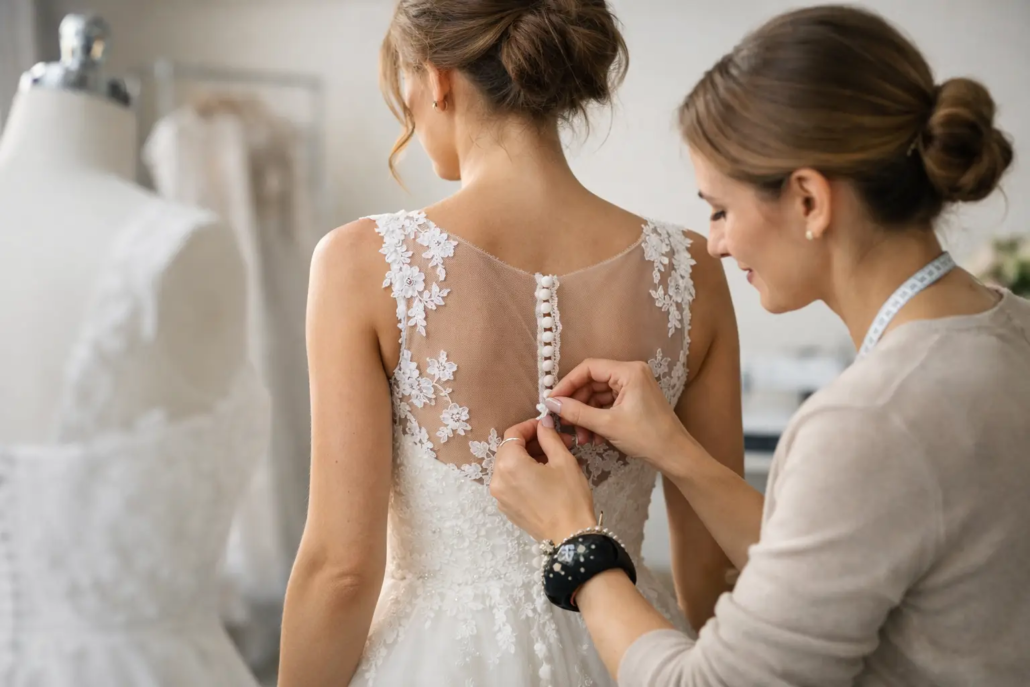
Wedding Dress Alterations: What to Expect
The zipper closes, but the dress still does not feel quite right. That is the moment many brides realize wedding dress alterations are not a small extra – they are part of making the gown truly yours. A beautiful dress off the rack is a starting point. The final fit is what makes it feel comfortable, flattering, and ready for a full day of walking, sitting, dancing, and being photographed from every angle.
A gown can look stunning on the hanger and still need meaningful adjustments once it is on your body. That is normal. Bridal sizing often runs differently from everyday clothing, and most dresses are made to fit a general shape rather than one specific person. Alterations are what turn a standard size into a personal fit.
Why wedding dress alterations matter so much
The biggest reason brides alter a gown is obvious – fit. But fit is only part of the story. The right adjustments also affect posture, comfort, movement, and how the dress hangs in photos. If the bodice shifts, the hem drags, or the bust sits too loose, you will notice it all day.
A skilled tailor is not just making a dress smaller or shorter. They are balancing the proportions of the gown so it works with your height, shoes, shape, and the way the fabric moves. On a structured satin gown, even a small change can affect the whole silhouette. On lace or beaded dresses, alterations require extra care because every seam may involve handwork.
This is also where expectations matter. Some changes are straightforward, like hemming or taking in the waist. Others depend on the gown’s construction. Letting out a dress is often harder than taking one in, especially if there is little seam allowance. Reshaping a neckline or changing sleeves can be possible, but it depends on the design and fabric.
When to start wedding dress alterations
Most brides should plan to start wedding dress alterations about two to three months before the wedding. That gives enough time for fittings, adjustments, and any fine-tuning without cutting things too close. If the gown is heavily beaded, layered, or made with delicate fabrics, earlier is even better.
The final fitting usually happens closer to the wedding date, often two to three weeks out. That timing helps account for any small body changes and makes it easier to confirm the hem with your actual shoes and undergarments.
Waiting too long creates pressure that no bride needs. Rush alterations are sometimes possible, but they can limit options and add stress. If your schedule is packed with work, family events, travel, and vendor appointments, it helps to get fittings on the calendar early.
What to bring to your fitting
The dress is only one part of the final look. Bring the shoes you plan to wear, or at least a pair with the same heel height. Bring the bra, shapewear, or other foundation pieces if you will be wearing them. These details affect where the hem falls and how the bodice sits.
If you have accessories that interact with the gown, like a petticoat, detachable straps, or a veil that attaches near delicate lace, mention them during the fitting. The more complete the picture, the better the tailor can assess how the gown will function on the day itself.
It also helps to bring an honest mindset. Many brides come in focused on one area, like the waist, and then realize the straps, bust, or hem also need attention. That is not bad news. It is part of getting the dress right.
The most common alterations brides need
Hemming is one of the most common wedding dress alterations, and it is rarely as simple as trimming fabric in a straight line. Many gowns have multiple layers, horsehair trim, lace edges, or beadwork that must be handled carefully. The goal is not just to shorten the dress, but to preserve its shape and finish.
Taking in the bodice is another frequent adjustment. A secure bodice helps the dress stay in place and gives the whole gown a cleaner line. Straps may need to be shortened so the neckline sits correctly. The bust area may also need reshaping so the gown feels supportive without looking tight.
Bustles are a category brides often overlook until late in the process. If your gown has a train and you want to move around comfortably after the ceremony, a bustle matters. The right bustle depends on the dress style, train length, and fabric weight. What looks elegant for the ceremony may need a practical solution for the reception.
Sleeve adjustments, waist shaping, hip refinement, and neckline changes are also common, though they vary more from gown to gown. Some dresses can be customized meaningfully. Others are better served by smaller changes that protect the original design.
What affects the cost
There is no single flat price for wedding dress alterations because the work depends on the gown. Fabric type, layers, boning, lace, beads, and train length all affect labor. A plain crepe gown usually alters differently than a dress covered in appliqué.
The kind of change also matters. A basic hem and strap adjustment will usually cost less than recutting sleeves or altering a heavily structured bodice. If the gown has hand-sewn details that must be removed and reapplied, that adds time.
This is one reason brides should not compare alteration prices without context. Two dresses may look similar in photos but require very different work. A good fitting process should explain what is being changed and why, so you understand the value behind the estimate.
What a good fitting should feel like
You should leave a fitting feeling more confident, not more confused. A professional fitting should be clear, respectful, and practical. The tailor should pin with purpose, explain what needs adjustment, and let you move enough to understand how the dress feels.
Comfort matters as much as appearance. You need to be able to breathe, sit, walk, and lift your arms naturally. A gown that looks perfect standing still but feels restrictive may need a different approach. Sometimes the best alteration is not the tightest one. Bridal fit is a balance between structure and ease.
This is especially important for long wedding days. Between the ceremony, photos, greeting guests, and the reception, you will be in the dress for hours. A slightly more comfortable fit can make a major difference by the end of the night.
Cleaning before or after alterations
Usually, a new gown is altered first and cleaned only if needed after. But the answer depends on the dress. If a sample gown has visible marks, or if the hem becomes soiled after the final fitting and pre-wedding photos, professional cleaning may be appropriate.
After the wedding, cleaning should happen sooner rather than later. Invisible stains from champagne, makeup, body oils, or cake can set over time even if the dress looks fine at first glance. This is where working with a garment care provider that understands both delicate cleaning and formalwear construction can save headaches. For brides in the Westbury area who want alterations and post-wedding care handled in one place, that kind of all-in-one service is especially convenient.
How to make the process easier on yourself
The simplest way to reduce stress is to make decisions early. Choose your shoes, decide on your undergarments, and know whether you want a bustle before the first fitting if possible. Last-minute changes in heel height or shapewear can change the fit more than brides expect.
Try to keep your schedule realistic. If you are planning around work, family obligations, and wedding events, book appointments with enough breathing room. Weeknight and pickup-friendly services can make a real difference when your calendar is already full.
Most of all, remember that needing alterations does not mean something is wrong with you or with the dress. It means the gown is being finished for your body, your event, and your comfort. That is how bridal wear is supposed to work.
A wedding dress should not just look beautiful for ten minutes in a fitting room. It should feel right when you take your first steps, when someone hugs you after the ceremony, and when the night ends with the hem a little worn from a day well spent. Good alterations help the dress keep up with all of that.

