
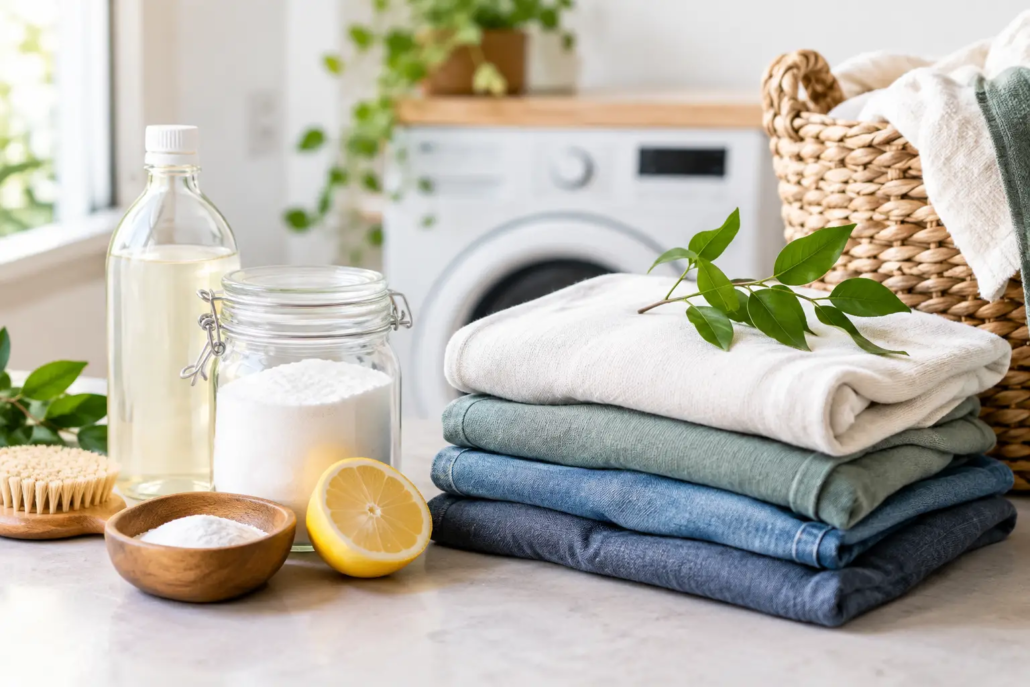
Organic Cleaning Guide for Clothes That Last
A coffee spill on a work shirt, a blazer that picks up restaurant odors, or a dress that needs to look right again by Saturday can make clothing care feel urgent. This organic cleaning guide helps you make sensible choices for everyday laundry and for the garments that deserve more than a quick wash cycle. The goal is not to treat every item the same. It is to use the gentlest effective method for the fabric, construction, stain, and finish.
For busy households, organic garment care is also about keeping clothing in service longer. When shirts stay bright, sweaters hold their shape, and suits keep a clean press, you replace less often and spend less time worrying about what is ready to wear.
What Organic Cleaning Means for Clothing
In garment care, “organic” does not simply mean using a plant-based detergent at home. It generally refers to cleaning approaches that reduce reliance on traditional harsh dry-cleaning chemicals while still giving delicate and structured garments the professional treatment they need.
At home, that may mean using a mild detergent, washing only when necessary, treating stains carefully, and avoiding unnecessary heat. At a professional cleaner, it can include modern processes such as professional wet cleaning and K4 dry cleaning. K4 is a newer solvent system designed as an alternative to older, more aggressive dry-cleaning methods. It can be a practical option for garments that should not be washed in water, including tailored jackets, silk pieces, formalwear, and certain embellished items.
No cleaning method is automatically right for every piece of clothing. A washable cotton T-shirt and a wool-lined blazer may both look “delicate,” but they have very different care needs. The care label, fiber content, dyes, linings, trims, and construction all matter.
Start With the Care Label, Then Look Closer
The care label is the best starting point, but it is not the whole story. “Machine wash” tells you an item can tolerate a wash process under the stated conditions. It does not guarantee that every stain will come out in a standard load or that the garment will look its best if dried on high heat.
Before cleaning, check for loose buttons, open seams, cracked embellishments, or stains that have already dried. Empty pockets, close zippers, and turn dark colors, printed items, and garments with decorative surfaces inside out. These small steps reduce friction and help preserve color and finish.
If a garment is labeled dry clean only, has a structured shoulder, contains silk or wool, or includes beadwork, lace, leather trim, delicate pleats, or bonded layers, do not experiment with a home wash. Water can distort interfacing, cause dye transfer, shrink fibers, or leave permanent water marks. A professional assessment is usually the safer and less expensive choice than trying to correct damage later.
Sort by More Than Color
Sorting lights and darks still matters, but fabric weight and soil level deserve attention too. Wash towels, athletic clothing, and heavily soiled household items separately from office shirts and lighter fabrics. Lint from a towel load can cling to dark trousers, while rougher fabrics can create abrasion on finer items.
Cold water is often a good default for lightly soiled clothing because it is easier on color and many fibers. Warm or hot water may be appropriate for certain white cottons, bedding, or sanitation-focused loads, provided the care label allows it. More heat is not always more clean. It can set some stains, shrink natural fibers, and shorten the life of elastic components.
A Practical Organic Cleaning Routine at Home
A sensible routine begins with using less product, not more. Too much detergent can leave residue that makes clothing feel stiff, attracts soil, and dulls dark fabrics. Measure according to the detergent directions and reduce the amount for small or lightly soiled loads.
Treat stains before they go into the dryer. Heat can make many stains much harder to remove. Blot fresh spills rather than rubbing them, which can push the stain deeper into the fibers or roughen the fabric surface. Use a small amount of a fabric-appropriate stain treatment in an inconspicuous area first, especially on silk, wool, dark colors, and printed fabrics.
For common water-based stains such as coffee, juice, or mud, prompt blotting and a gentle wash are often enough. Oil-based stains from salad dressing, cosmetics, or cooking can be more complicated. Avoid applying heat before the stain has been addressed, and let a professional know what caused it. That information helps determine the right treatment.
Drying is where many otherwise clean garments lose years of wear. Air-dry knits flat when possible so they do not stretch. Remove cotton shirts and casual clothing from the dryer while slightly damp to reduce wrinkles and over-drying. Use lower heat for garments with spandex, elastic waistbands, bras, and performance fabrics, since high heat can weaken their stretch and recovery.
When Professional Care Is the Better Choice
Home care is useful for everyday washable clothing, but it has limits. A professional cleaner can inspect a garment before cleaning, select a process based on the fabric and construction, remove difficult stains with controlled methods, and finish the piece so it is ready to wear.
Suits, blazers, dress pants, and formal dresses are common examples. Their shape depends on pressing, linings, interfacings, and careful handling. Washing a suit jacket at home may leave it clean but miss the point: the lapels may lose their roll, the shoulder may look uneven, or the fabric may develop a flat appearance.
Professional wet cleaning can be an excellent choice for many delicate washable garments. It uses water with specialized equipment, measured moisture, suitable detergents, and controlled drying and finishing. It is not the same as placing a delicate item in a regular home washer. The process is designed around the garment’s specific fiber and construction.
K4 dry cleaning is especially useful when water is not the best answer. It can help care for structured garments, specialty fabrics, and items that need careful spot treatment and pressing. The best process depends on the piece in front of the cleaner, which is why bringing in an unusual stain or treasured garment sooner is always wise.
Do Not Forget Household and Special-Occasion Items
Comforters, curtains, uniforms, wedding dresses, and formalwear often need attention beyond routine laundering. A comforter may be too large for a home machine to clean and dry evenly. Curtains can hold dust and odors but may shrink or lose their drape if washed incorrectly. Wedding gowns and heirloom pieces may contain multiple fabric types, delicate trim, and hidden stains that should be treated before they set.
These items benefit from professional handling because the cleaning process includes inspection as well as cleaning. If a hem is loose, a button is missing, or a zipper needs repair, having tailoring available at the same time can prevent an unfinished item from sitting unworn in a closet.
Make Clothes Last Between Cleanings
Cleaning less often, when appropriate, is one of the simplest ways to protect a wardrobe. Hang jackets and trousers after wearing them so moisture and odors can air out. Use sturdy hangers for tailored pieces, fold heavy knits instead of hanging them, and avoid leaving clothes in a plastic bag for long-term storage.
Brush off surface dust from coats and blazers, and address small stains promptly. For office clothing that is not visibly soiled, airing it out may be enough between wears. This does not apply to garments exposed to perspiration, food, smoke, or spills, but it can reduce unnecessary cleaning for lightly worn outer layers.
Good fit matters, too. A garment that pulls at the seams, drags at the hem, or catches under the arm will wear out faster. Alterations can make a favorite piece more comfortable and help you keep it rather than replacing it. At Joe’s Organic Dry Cleaning & Tailoring, cleaning, finishing, alterations, and local pickup and delivery can be coordinated in one stop, which is useful when the week is already full.
The easiest garment-care habit is to act before a small problem becomes a permanent one. Set aside stained, damaged, or special-care clothing as soon as you notice it, and have it assessed before the next workday, event, or family occasion puts it back into rotation.
