
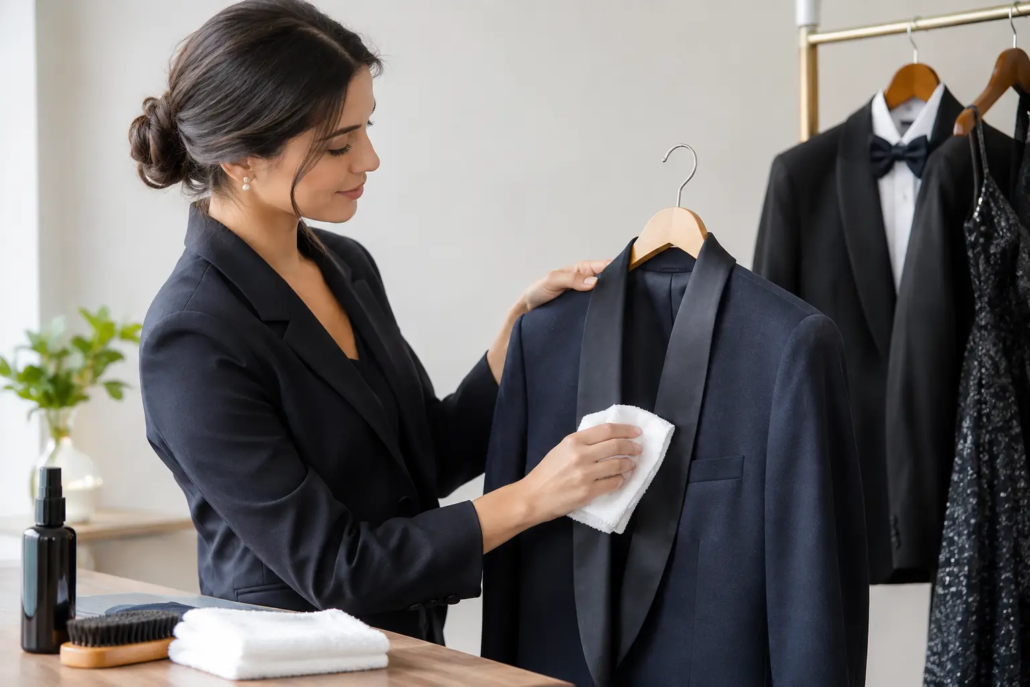
Formal Event Outfit Care Guide for Lasting Wear
A formal outfit can look perfect on the hanger and still disappoint at the event if a hem is loose, a collar is yellowed, or a crease has set in during storage. This formal event outfit care guide is designed to help you keep suits, tuxedos, gowns, cocktail dresses, and special accessories ready for the moments that matter.
The right care is not only about removing a visible stain after the fact. It begins before you leave home, continues with a few smart choices during the event, and ends with proper cleaning and storage. That approach protects the fit, color, structure, and finish you paid for.
Start With a Pre-Event Outfit Check
Give formalwear a careful look at least several days before the event. Last-minute problems are common: a zipper that catches, a missing button, a dropped hem, or a jacket that no longer fits comfortably after a season in the closet. Finding these issues early gives you time to have the garment professionally pressed, cleaned, or altered without rushing.
For suits, inspect the lapels, cuffs, trouser hems, and inside collar. These areas tend to collect body oils, dust, and makeup, even when the rest of the garment appears clean. A suit can also develop shiny spots from repeated wear or improper pressing at home. Professional cleaning and finishing can refresh the fabric without flattening its shape.
With dresses and gowns, check the hem first. Long hems collect dirt from sidewalks, parking lots, dance floors, and stairs. Look next at straps, closures, beading, seams, and lining. Delicate fabrics such as silk, chiffon, lace, velvet, and satin may need specialized handling, especially if they have embellishments or structured bodices.
Fit deserves the same attention as cleaning. A well-maintained garment that pulls across the shoulders or drags along the floor will not feel polished. Simple tailoring adjustments, such as taking in a waist, repairing a hem, replacing a hook, or adjusting straps, can make an older favorite feel event-ready again.
Pressing Is Not the Same as Cleaning
Many people assume every formal item needs dry cleaning before an event. Sometimes it does, but not always. If an outfit is clean and has only light wrinkles from storage, pressing may be the better choice. Cleaning too often can add unnecessary wear, particularly to delicate or highly structured garments.
On the other hand, perfume, perspiration, food residue, and invisible body oils should not be ignored. They can oxidize over time, leaving yellowing, stiff areas, or stubborn stains that are much harder to remove later. A garment that looks fine under bedroom lighting may show those marks clearly under bright event lighting or in photographs.
At-home steaming can help with minor wrinkles, but it has limits. Too much heat or moisture can damage delicate fibers, leave water marks on silk, affect velvet pile, or loosen glued embellishments. An iron can create shine on wool and leave marks on synthetic fabrics if the temperature is wrong. For formalwear with uncertain care needs, professional finishing is the safer choice.
Wear Formalwear With Stains in Mind
You should be able to enjoy the celebration without treating your clothes like museum pieces. Still, a few practical habits reduce the chance of permanent damage. Apply deodorant, lotion, fragrance, hairspray, and makeup before getting dressed, allowing products time to dry. Fragrance and aerosol products can stain or discolor fabric, especially silk and light-colored materials.
When putting on a gown, step into it when possible rather than pulling it over freshly applied makeup. If it must go over your head, place a clean scarf or lightweight cloth over your face first. For a jacket or tuxedo, avoid hanging it on the back of a chair for long periods, where it can crease or pick up food residue.
At dinner, place a napkin in your lap and be mindful of sauces, red wine, and oily foods. If a spill happens, blot gently with a clean white cloth. Do not rub, add water, or use a stain-removal wipe without knowing how the fabric will react. Rubbing can push a stain deeper into the fibers, and some products can remove dye or leave a ring.
If there is a stain, point it out when you bring the item in for cleaning. Let the cleaner know what caused it, if you can. Wine, oil, makeup, candle wax, and grass each require a different approach. The sooner the garment is treated, the better the chance of complete removal.
Formal Event Outfit Care Guide: What to Do Afterward
After a long event, it is tempting to put everything back in the closet and deal with it later. That is how small problems become expensive ones. Take a few minutes when you get home to hang up the outfit properly and inspect it under good light.
Suits, blazers, tuxedos, and dresses should be hung on appropriate hangers that support the shoulders. Avoid thin wire hangers, which can stretch or distort the garment over time. Let the item air out in a clean, dry space before placing it in a garment bag or closet. Do not seal damp or heavily worn clothing in plastic, where moisture and odors can linger.
A garment worn briefly in a climate-controlled setting may only need airing and pressing. But if you danced, spent time outdoors, wore it in warm weather, or noticed any food, drink, makeup, or perspiration exposure, arrange cleaning soon after the event. This is particularly true for garments with light linings, pale colors, or delicate trims.
Formal shoes need attention, too. Wipe away surface dirt, allow them to dry naturally, and use shoe trees for leather shoes when appropriate. Store small accessories, such as bow ties, belts, clutches, and jewelry, separately so metal hardware and rough surfaces do not snag or scratch clothing.
Store Special Occasion Clothing the Right Way
The storage method depends on the garment. A frequently worn suit should hang in a breathable garment bag with enough room around it to prevent crushing. A structured jacket needs a sturdy hanger, while trousers should be hung by the cuff or folded carefully along their existing crease.
Heavier beaded gowns and dresses may be better stored flat, if space allows, because their weight can strain straps and delicate fabric when hung for a long time. Lightweight dresses may hang safely on padded hangers. In either case, avoid direct sunlight, humid basements, attics with temperature swings, and crowded closets.
Plastic dry cleaning bags are useful for transporting clothing home, but they are not ideal for long-term storage. Fabrics need some air circulation, and trapped humidity can lead to musty odors or discoloration. A clean, breathable garment bag is generally a better choice for suits, dresses, and formal coats.
Before storing seasonal formalwear, make sure it is clean. Stains that are not immediately visible can attract insects or become permanent while the garment sits unused. This is especially relevant for wool suits, silk dresses, and garments with natural-fiber linings.
When Professional Care Makes the Difference
Some formal items have labels that seem straightforward but are more complicated in practice. A dress may be labeled dry clean only because of its lining, dye, trim, construction, or embellishments rather than the outer fabric alone. A tuxedo may need careful pressing to preserve the contrast between matte wool and satin lapels. Wedding attire, vintage pieces, and garments with extensive beadwork deserve especially cautious inspection before cleaning.
A knowledgeable garment care professional can assess the whole piece, not just the care label. At Joe’s Organic Dry Cleaning & Tailoring, customers can bring in formalwear for fabric-conscious cleaning, careful finishing, and fit corrections in one place. That is helpful when a dress needs both stain treatment and a hem repair, or when a suit needs pressing before a wedding and tailoring afterward.
For busy households, planning ahead removes much of the stress. If you have several outfits to prepare for a wedding weekend, gala, graduation, religious celebration, or family photos, gather them early rather than waiting until the night before. Pickup and delivery can also make it easier to keep special occasion clothing on schedule when work and family responsibilities are full.
A formal outfit should not be treated as disposable clothing worn once and forgotten. Give it a little attention before and after each occasion, and it can stay polished, comfortable, and ready for the next invitation.
