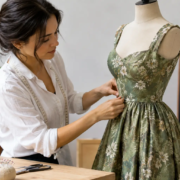

How Much Do Suit Alterations Cost?

A suit can look expensive on the hanger and still feel wrong the minute you put it on. Sleeves bunch, the jacket pulls at the button, the pants break too heavily, or the waist feels loose by lunchtime. That is usually when people ask, how much do suit alterations cost, and whether the fix is simple or surprisingly expensive.

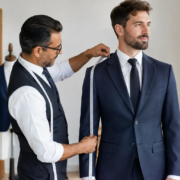
The honest answer is that suit alteration pricing depends on what needs to be adjusted, how the suit is built, and whether the tailor is making a small fit correction or a more involved structural change. Some updates are quick and affordable. Others take more labor and skill, which raises the price. Knowing the difference helps you decide what is worth altering before a workweek, wedding, interview, or special event.

How much do suit alterations cost for common fixes?

For most everyday suit alterations, you are usually looking at a moderate cost rather than a major expense. Hemming suit pants is often one of the least expensive adjustments. Taking in or letting out the waist of the pants generally costs more than a hem, but it is still a common and worthwhile fix. Jacket sleeve adjustments, tapering pants, and seat or crotch corrections tend to move higher because they require more fitting and more precise finishing.

A simple suit pants hem may run around $15 to $35. Waist adjustments are often in the $20 to $50 range. Tapering the leg can fall around $20 to $45, depending on how much shaping is needed and whether the pants have lining or special details.

Jacket alterations usually cost more than pants alterations. Shortening sleeves from the cuff may land around $40 to $100, while taking in the jacket sides may fall roughly between $40 and $90. More involved work, such as adjusting the shoulders or altering the jacket length, can cost significantly more and may not always be recommended.

These are typical ranges, not fixed rules. Pricing varies by market, garment construction, and the level of craftsmanship required.

Why the price of suit alterations can vary so much

Two suits that look similar from the outside can be very different once a tailor starts working on them. That is one of the main reasons alteration prices are not one-size-fits-all.

The first factor is construction. A fully lined jacket takes more time to open, adjust, and close cleanly than an unlined or simpler garment. Functional sleeve buttons, hand finishing, interior canvassing, and patterned fabric all increase the amount of work. Matching stripes or checks is especially important on suits because even a small misalignment stands out.

The second factor is how much fabric is available. Letting a garment out is only possible if there is enough seam allowance inside. If there is very little extra material, the alteration may be limited or not possible at all. Taking a garment in is usually more straightforward, but large changes can affect the way the suit hangs.

The third factor is fit complexity. Shortening pants is routine. Rebalancing a jacket so it sits properly across the chest and back is much more technical. Good tailoring is not just about making something smaller. It is about preserving shape, proportion, and comfort.

Suit pants are usually the easiest place to start

If you want the best value, start with the pants. Pants alterations often deliver the biggest visual improvement for the least cost. A proper hem alone can make a suit look sharper and more intentional.

The break matters more than many people realize. Too much fabric pooling over the shoe can make an otherwise nice suit look sloppy. Too little break can make the pants look short. A tailor can help you choose a full break, medium break, slight break, or a cleaner no-break look based on your height, the style of the suit, and how you wear it.

Waist adjustments are also common, especially if your size fluctuates a bit or if off-the-rack pants fit everywhere except the midsection. Seat and thigh adjustments can improve comfort, but they require more care. If the pants are pulling across the front or sagging in the back, a professional fitting makes a real difference.

Jacket alterations cost more because jackets are more complex

When customers ask how much do suit alterations cost, the jacket is usually where the answer changes most. Jackets have structure. That means more stitching, more layers, and less room for error.

Sleeve length is one of the most common jacket fixes. A clean sleeve length allows a bit of shirt cuff to show and helps the whole suit look more polished. But sleeve shortening is not always equally simple. If the adjustment can be made at the cuff, the cost may stay moderate. If the sleeve has working buttonholes and must be adjusted from the shoulder, the job becomes more specialized and more expensive.

Taking in the jacket sides is another popular alteration. This can clean up a boxy fit and create a neater silhouette. In many cases, it is well worth doing. Shoulder alterations, on the other hand, are often expensive enough that people reconsider whether the suit is the right starting point. The shoulder area affects the entire jacket balance, so changes there are labor-intensive.

When alterations are worth the money

Not every suit deserves every possible alteration. The value depends on the quality of the garment, how often you will wear it, and what kind of correction it needs.

If the suit already fits fairly well and needs a few refinements, alterations are almost always worth it. Hemming the pants, cleaning up the waist, and adjusting sleeve length can make an off-the-rack suit look much more custom. For workwear, interviews, church, graduations, and formal events, those changes usually pay off in appearance and confidence.

If the suit is inexpensive and needs major reconstruction, the math changes. Spending a large amount to fix shoulders, reshape the chest, and alter jacket length may not make sense. Sometimes the better investment is choosing a suit with a better starting fit and making smaller adjustments from there.

There is also the timing factor. If you need the suit ready for an event, rush service may affect cost. Planning ahead gives you more flexibility for fittings and any fine-tuning.

What to ask before agreeing to suit alterations

A good fitting should feel clear, not confusing. You do not need tailoring jargon to understand what is being changed and why.

Ask what can realistically be altered and what cannot. Some changes are possible but not advisable because they affect the suit’s proportions. It is also smart to ask how the finished fit should look based on your use. A daily office suit may be tailored differently than a wedding suit or a more fashion-forward slim fit.

You should also ask whether the quoted price covers all needed work or just one part of the alteration. For example, adjusting jacket sleeves may involve details that change the final cost. The more specific the conversation, the fewer surprises later.

If you are bringing in a suit for cleaning and tailoring at the same time, it can also help to have both services handled together. That way, the garment is evaluated as a whole and returned ready to wear.

How to keep alteration costs reasonable

The easiest way to save money is to buy the best fit you can before alterations begin. Focus on the shoulders, jacket length, and overall rise of the pants. Those are harder or more expensive to change. Smaller adjustments like hems, waist suppression, and sleeve length are usually the best tailoring value.

It also helps to bring the shoes and dress shirt you plan to wear with the suit. That gives the tailor a better reference for pant length, sleeve exposure, and overall balance. Better fittings often mean fewer repeat adjustments.

For busy professionals and families, convenience matters too. If your cleaner and tailor can handle pressing, alterations, and pickup and delivery in one place, that saves time and keeps the suit from sitting in the back seat waiting for another errand. For customers around Westbury, Joe’s Organic Dry Cleaning & Tailoring often sees this firsthand with work suits and eventwear that need both care and fit correction on a schedule.

A better fit usually looks more expensive than a bigger label

Suit alterations are less about chasing perfection and more about making the garment work for your body and your routine. A modestly priced suit that fits well often looks better than a premium suit worn straight off the rack with no adjustments.

So if you are wondering how much do suit alterations cost, think beyond the ticket price of each fix. The real value is in how the suit wears, how it looks in motion, and whether it is ready when you need it. A smart alteration can turn a suit you like into one you actually reach for with confidence.

Laundry Service for Office Wear That Works

Monday morning usually tells the truth. If your best work shirt is still wrinkled, your blazer has yesterday’s lunch spot on the sleeve, or your dress pants lost their crease, the week already feels harder than it should. A reliable laundry service for office wear takes that pressure off by keeping business clothes clean, pressed, and ready before you need them.

For working professionals, office clothing is not just another load of laundry. It includes dress shirts that need crisp finishing, blouses with delicate fabric, trousers that should hold a clean line, and jackets that can lose shape if handled carelessly. When those pieces are part of your daily routine, the goal is not simply getting them clean. It is keeping them presentable, comfortable, and dependable week after week.

Why office wear needs different care

Office wardrobes take a quiet beating. Dress shirts absorb collar oils, cuffs pick up dirt, and light-colored blouses show deodorant marks faster than casual clothing. Slacks and skirts may not look dirty after one wear, but they can still carry odor, body oils, and creasing that make them feel tired sooner than expected.

The challenge is that many office garments are made from fabrics that do not respond well to standard home washing. Cotton shirts can shrink or wrinkle badly. Structured blazers can lose their shape. Stretch blends can wear out faster under high heat. Even pieces labeled washable can come out looking flat, twisted, or rough around the edges if they are washed and dried without much control.

That is why professional garment care matters. The cleaning method, the finishing, and even the way an item is hung all affect how office wear looks the next time you put it on.

What a good laundry service for office wear should include

Not every cleaner handles business clothing the same way. Some are fast but inconsistent. Others clean well enough but do not pay attention to finishing details that matter when you are dressing for meetings, commuting, or client-facing work.

A strong laundry service for office wear should do three things well. First, it should match the cleaning method to the garment rather than forcing every item through the same process. Shirts, suits, blouses, sweaters, and lined pants often need different treatment. Second, it should finish garments properly so they come back ready to wear, not just technically clean. Third, it should fit easily into your weekly schedule.

That last point matters more than people admit. Convenience is not a luxury when you are balancing work, family routines, and errands. Pickup and delivery, dependable turnaround, and one place that can also handle minor repairs or alterations can make a real difference.

Shirts, pants, blazers, and dresses all have different needs

Dress shirts are often the highest-volume category for office workers. They need consistent washing, spot attention at the collar and cuffs, and pressing that leaves them crisp without scorching or over-stiffening the fabric. Good shirt service saves time, but it also helps the shirt age better by avoiding the rough treatment many home machines deliver.

Dress pants and skirts need a different touch. They may need stain treatment, shaping, and careful pressing that preserves creases without making the fabric shiny. Too much heat can leave a polished look on darker fabrics, especially around seams and pockets.

Blazers, suit jackets, and structured dresses raise the stakes. These pieces rely on construction as much as fabric. Interfacing, lining, shoulder shape, and drape can all be affected by poor cleaning. They usually should not be treated like ordinary laundry, even if they do not look especially delicate.

Then there are knit office staples like fine sweaters, shell tops, and stretch blouses. These can snag, stretch, or lose softness quickly. Professional care helps, but it also requires judgment. Sometimes the right answer is less frequent cleaning paired with proper spot treatment and finishing. More cleaning is not always better.

The time-saving value is real, but so is the clothing savings

People often think about professional service as a time saver first, and that is fair. If you wear office clothing several days a week, the sorting, washing, ironing, steaming, and hanging adds up fast.

But there is another side to it. A dependable cleaner can help your wardrobe last longer. Better stain removal means fewer shirts retired early. Correct pressing means fewer fabric burns and fewer stretched collars. Fabric-conscious cleaning helps preserve color, shape, and texture, especially on pieces that cost more to replace.

This is where convenience and value meet. Spending a little on care can help you avoid replacing work clothes before their time. For professionals who rely on polished basics every week, that trade-off often makes sense.

Eco-friendly care matters for clothes too

When people hear eco-friendly cleaning, they often think first about environmental impact. That matters, but garment-friendly cleaning methods also matter to the customer standing in front of the closet.

Office wear benefits from cleaning approaches that are gentler on fibers, dyes, and garment construction. That can mean fewer harsh chemical odors, a better feel in the fabric, and less wear over repeated cleanings. It is especially helpful for blouses, lined garments, and everyday business pieces that cycle through cleaning often.

At Joe’s Organic Dry Cleaning & Tailoring, that practical benefit is part of the appeal. Customers want clothes that look sharp, feel clean, and hold up well over time. Eco-conscious care is not only about process. It is also about results you can see in the life of the garment.

When tailoring should be part of the same service

Office wear does not just need cleaning. It often needs upkeep. A loose button on a dress shirt, a hem coming down on slacks, a skirt that needs shortening, or a blazer sleeve that never sat quite right can turn a wearable piece into one that stays in the closet.

This is where a one-stop provider has a real advantage. When cleaning and alterations are handled under one roof, it is easier to keep your work wardrobe in rotation. You do not have to clean something in one place, then carry it somewhere else for repair, then remember to pick it up again. Small adjustments can be handled before the problem turns into a bigger one.

For office professionals, fit is part of appearance. Even expensive clothing looks average if it does not sit properly. A cleaner that can also manage tailoring helps keep your wardrobe looking intentional, not just clean.

How often should office wear be professionally cleaned?

It depends on the garment and how you wear it. Shirts and blouses usually need frequent cleaning, especially in warmer weather or after long commutes. Pants and skirts can sometimes go a few wears if they are aired out and worn with care. Blazers and suit jackets often need less frequent cleaning unless they are exposed to spills, odor, or heavy use.

The mistake is waiting until everything looks obviously dirty. By then, stains may have set and body oils may be harder to remove. On the other hand, over-cleaning certain garments can add unnecessary wear. A good cleaner can help you strike the right balance based on fabric, use, and condition.

A service should fit your routine, not complicate it

The best clothing care is the kind you do not have to think much about. If pickup and delivery make it easier to stay consistent, that matters. If your household is juggling office schedules, school schedules, and weekend obligations, having garments collected and returned ready to wear can remove one more repeating task from the week.

That is especially useful for households with more than one professional wardrobe in rotation. What starts as a few shirts can quickly become a steady stream of shirts, pants, blouses, uniforms, and occasional suit pieces. The practical value of regular service grows with volume.

For many families and commuters in and around Westbury, convenience is not about cutting corners. It is about staying prepared without spending your nights at the ironing board.

Choosing the right laundry service for office wear

A good provider should make you feel confident handing over the clothes you rely on most. Look for clear communication, consistent finishing, fabric knowledge, and services that match real life, including shirts, dry cleaning, alterations, and pickup and delivery if needed.

Price matters, of course, but so does reliability. The cheapest option is not a bargain if garments come back late, poorly pressed, or damaged. Office wear has a job to do. Your cleaner should help it do that.

If your work clothes are part of how you show up every day, caring for them well is not extra. It is one of the simplest ways to make the week run smoother.

A Practical Guide to Suit Alterations

A suit can be expensive, well made, and the right color for every occasion – and still look off if the fit is wrong. That is why a good guide to suit alterations matters. Small changes in the jacket, sleeves, or pants can take a suit from acceptable to sharp, which is exactly what most people want when they are dressing for work, weddings, interviews, and formal events.

The good news is that many fit problems are fixable. The less exciting truth is that not every suit should be altered the same way, and not every change is worth the cost. A smart approach starts with knowing what tailors can improve, what depends on the suit’s construction, and what you should bring up before any pins go in.

What a guide to suit alterations should help you decide

Most customers are not trying to create a custom suit from scratch. They are trying to make an off-the-rack suit look cleaner through the shoulders, neater at the sleeve, and better balanced at the leg. In real life, that usually means correcting the areas people notice first: jacket length, sleeve length, waist suppression, trouser hem, and seat or waist adjustments.

The biggest factor is starting fit. Alterations work best when a suit is close already. If the shoulders are much too wide, the jacket collapses around the chest, or the rise of the trousers feels completely wrong, tailoring may become more complex than it is practical. On the other hand, if the suit fits reasonably well in the frame and just needs refinement, alterations can make a major difference.

A tailor’s job is not only to make something tighter. Sometimes the best result comes from restoring balance. A jacket may need to be shaped slightly at the waist but left comfortable in the chest. Pants may need a cleaner hem and a small waist adjustment without becoming too narrow through the thigh. Good alterations improve proportion, not just snugness.

The most common suit alterations

Jacket sleeve length

This is one of the most common and worthwhile suit alterations. Sleeve length affects how polished a jacket looks right away. In general, you want the jacket sleeve to show a small amount of shirt cuff, but the exact amount depends on your shirt fit, arm posture, and personal preference.

Shortening or lengthening sleeves is often straightforward, but it depends on how the buttons and buttonholes are finished at the cuff. Functional buttonholes can limit how much can be changed from the sleeve end. In those cases, the tailor may need to adjust from the shoulder, which is more involved. That does not mean it cannot be done, only that the method matters.

Jacket waist suppression

If a suit jacket feels boxy, taking it in at the waist can create a cleaner line. This is a common alteration for off-the-rack suits because many are cut to fit a broad range of body types. A little shaping often helps the jacket look more intentional without making it feel tight.

There is a trade-off here. A sharply suppressed waist may look great standing still, but if you commute, sit at a desk, or wear your suit all day, comfort still matters. The best result usually leaves enough room to move while removing the extra fullness that causes bunching.

Trouser hemming

Trouser length changes the whole look of a suit. Pants that puddle over the shoe look sloppy. Pants that are too short can look accidental unless the style is very specific. Most people do best with a hem that gives a clean break or slight break, depending on shoe style and how traditional they want the suit to look.

This is also where daily use comes into play. If you wear the same suit with both dress shoes and a slightly chunkier loafer, tell your tailor. The right hem can depend on the shoes you actually wear, not just the pants on their own.

Taking in or letting out the trouser waist

A small waist adjustment can make a suit much more wearable, especially if your size shifts over time or the trousers fit everywhere except the waistband. Many dress trousers have enough seam allowance to let out slightly, and taking in is usually manageable as well.

The amount available depends on the garment. Some pants offer flexibility. Others do not. This is one reason it helps to have a professional look at the inside construction before promising a perfect outcome.

Seat, taper, and leg adjustments

If trousers pull across the seat, balloon at the thigh, or look too wide below the knee, tailoring can often improve the line. Tapering can modernize a suit, but this is one area where restraint pays off. Going too slim may date the suit quickly and reduce comfort.

For customers who wear suits to work, travel in them, or need them for long events, a moderate taper usually ages better than an aggressive one. It keeps the suit current without making movement a chore.

Alterations that are possible, but more complex

Shoulder adjustments

Shoulders are one of the hardest and most expensive areas to alter well. Because the shoulder affects the drape of the entire jacket, even a technically possible change may not be the most sensible investment. If the shoulders are only slightly off, other adjustments may help the jacket sit better overall. If they are significantly too wide or too narrow, replacing the suit may be more practical.

Jacket length

Shortening a jacket can sometimes be done, but the amount is limited. Pocket placement, button stance, and overall balance all come into play. A jacket that is shortened too much can look visually wrong even if the sewing itself is done neatly.

Lengthening is usually even more restricted because there may not be enough fabric allowance. This is a good example of why experienced guidance matters. The question is not just whether a change can be made, but whether it will still look right afterward.

How to know if your suit needs alterations

You do not need fashion training to spot a fit issue. If the collar gaps away from your neck, the sleeves hide your hands, the pants collapse at the ankle, or the waist pulls when buttoned, the suit is telling you something. Sometimes the issue is size. Often it is just finishing.

Try the suit on with the shirt and shoes you plan to wear most often. Stand naturally. Sit down. Button the jacket. Walk a few steps. Practical movement tells you more than a dressing room pose. If the suit only looks right when you stand perfectly straight and do not move, it probably needs adjustment.

Photos also help. A mirror can miss proportion problems that show up immediately in a front and side view. Many people notice sleeve length, jacket flare, or trouser break more clearly in a quick photo than in person.

What to bring to a fitting

Wear or bring the dress shirt, belt, and shoes you expect to use with the suit. If it is for a wedding, job interview, or other specific event, mention that. A suit for everyday office wear may be altered differently than a suit for a black-tie wedding or a one-time formal occasion.

It also helps to say how you like your clothing to feel. Some customers want a trim, modern silhouette. Others prioritize ease through the seat, thigh, or shoulders because they spend long hours in the suit. There is no single correct answer. The best fit is the one that looks polished and works for your day.

Timing, expectations, and why cleaning matters first

If a suit needs both cleaning and alterations, handling both through one trusted provider can simplify the process and improve the result. A properly cleaned and pressed suit gives the tailor a better view of the garment’s true shape. Stains, wrinkles, and old crease lines can hide fit issues or distort them.

Timing matters too. If you have an event coming up, do not wait until the last minute. Even simple alterations need proper fitting and finishing time. More detailed work may require additional adjustments after the first fitting. Rushing increases the chance of settling for good enough when you really want the suit to feel ready.

For busy professionals and families, convenience is often part of the decision. Having tailoring, pressing, and garment care handled together saves back-and-forth and helps keep the suit in rotation instead of forgotten in a closet. That is one reason local customers often prefer working with a neighborhood cleaner and tailor that can manage the full process in one place.

A final word on getting the best result

The best suit alterations do not call attention to themselves. They simply make the suit look like it belongs on you. If a suit is close in the shoulders and chest, most of the rest can often be refined into something noticeably better. Start early, be honest about comfort, and let the fit match the way you actually live in the suit, not just the way it looks on the hanger.

Guide to Garment Stain Removal

Coffee on a dress shirt before work, sauce on a blouse right before dinner, makeup along a collar you just had pressed – stains rarely show up when it is convenient. A good guide to garment stain removal starts with one simple truth: what you do in the first few minutes matters just as much as the cleaning method itself.

Most stain problems get worse for two reasons. People either scrub too hard and damage the fabric, or they wait too long and let the stain set. The safest approach is usually gentler and faster than people expect. Blot, identify the stain if you can, and avoid using random household cleaners unless you know the fabric can handle them.

A practical guide to garment stain removal starts with the fabric

Before treating any stain, check the care label and think about what the garment is made of. Cotton dress shirts, polyester uniforms, silk blouses, wool jackets, and structured formalwear do not respond the same way. A method that works on a kitchen towel can permanently mark a lined blazer.

That is why stain removal is never one-size-fits-all. Water can help with some spills, but on certain fabrics it can leave rings, distort shape, or affect dyes. Heat can lift one stain and lock in another. Even rubbing with a clean towel can rough up delicate fibers.

If the item is everyday washable clothing, you usually have more room to act at home. If it is dry clean only, tailored, embellished, vintage, or expensive, the better choice is often to stop after basic first aid and let a professional handle the rest.

The first five minutes matter most

When a spill happens, blot instead of rub. Use a clean white cloth or paper towel and press gently to absorb as much as possible. If there are solids, lift them off with the edge of a spoon or dull knife rather than grinding them into the fabric.

If the stain is fresh and the garment is water-safe, a small amount of cold water can help dilute it. Cold is the safer default because hot water can set protein-based stains such as blood, dairy, and sweat. Keep the affected area isolated so the stain does not spread into surrounding fabric.

One common mistake is layering product after product. Dish soap, stain stick, vinegar, baking soda, and laundry detergent all at once is more likely to create residue than a clean result. Start with the mildest useful option and give it a chance to work.

Common stains and the safest first response

Food and drink stains vary more than people think. Coffee and tea leave tannin stains that often respond well to quick blotting and cold water on washable fabrics. Red wine is trickier because of both pigment and acidity. Blot immediately, do not rub, and avoid heat until the stain is fully gone.

Grease, butter, salad dressing, and cooking oil need a different approach. Water alone usually will not do much. On washable garments, a small drop of gentle dish soap can help break down the oil before laundering. On silk, wool, acetate, or dry clean only items, home treatment can create a larger mark, so restraint is usually the smart move.

Makeup is another frequent problem, especially around collars and cuffs. Foundation, lipstick, and concealer often contain oils, waxes, and pigments. That combination makes aggressive scrubbing a bad idea. Blot first, test any cleaner in an inconspicuous area, and remember that delicate blouse fabrics can abrade quickly.

Ink deserves extra caution. Ballpoint ink, felt-tip marker, and gel pen do not behave the same way. Alcohol-based spot treatment may help some inks, but it can also spread the mark or disturb the dye in the garment. If ink lands on a suit, dress, uniform, or lined piece, getting professional help early usually gives you the best chance of full removal.

Sweat, deodorant, and body oil buildup

Not every stain happens all at once. Some build slowly over time, especially around underarms, collars, and cuffs. Sweat, deodorant, and body oils create yellowing, stiffness, and darkened fabric that regular washing may not fully remove.

These stains are more stubborn because they are part stain and part buildup. Home care can improve them, but repeated treatment may still leave discoloration, especially on white shirts and light blouses. In those cases, professional garment care can often improve both the appearance and the finish without overworking the fabric.

When home stain removal works – and when it does not

For washable everyday items, home treatment makes sense when the stain is fresh, the fabric is sturdy, and the risk is low. Think school clothes, casual cottons, basic activewear, or a kitchen apron. Even then, patience matters. It is better to repeat a mild treatment than to force a harsh one.

But there are clear cases where home methods are risky. Wedding dresses, suits, wool coats, silk garments, pleated items, lined jackets, uniforms, and anything with beading or specialty trims should not be treated casually. The same goes for large household items such as comforters and curtains, where uneven cleaning can leave visible results.

There is also the issue of finish and shape. A stain might come out, but the garment can still look wrong if the pressing, structure, or drape is affected. That matters for office wear, formalwear, and pieces you rely on to look polished.

A guide to garment stain removal for busy households

If your week is already packed, stain care is really about decision-making. Ask three questions right away: What caused the stain, what fabric is this, and how much risk am I willing to take with this item? That quick check prevents a lot of avoidable damage.

For families and working professionals, the most useful habit is separating minor washable problems from garments that support your work and schedule. A polo shirt with a small food stain is one thing. A blazer before a meeting, a school uniform needed tomorrow, or a formal dress before an event is another.

This is where convenience matters as much as technique. Having a reliable cleaner for the pieces you cannot afford to ruin saves time, but it also reduces the guesswork that leads to permanent stains. Joe’s Organic Dry Cleaning & Tailoring often sees garments that could have been saved more easily if they had not been over-treated at home first.

What to tell a cleaner about a stain

If you are bringing in a stained item, details help. Say what spilled, when it happened, and whether you applied anything at home. That information can affect the cleaning method. A grease stain that was treated with dish soap is different from one that was left alone, and a red wine stain after hot water is a different challenge than one blotted immediately.

It also helps to point out stains even if they seem obvious. Some marks fade when dry and become harder to spot during intake. The more precise you are, the more targeted the treatment can be.

Mistakes that make stains harder to remove

The biggest mistake is heat. Putting a stained garment in the dryer before confirming the mark is gone can set the stain and make removal far more difficult. Ironing over a stain can do the same thing, especially on shirts and uniforms.

The second mistake is rubbing hard. People often assume force equals effectiveness, but friction can damage fibers, spread the stain, or create a worn patch that remains visible even after the stain is removed.

The third mistake is using the wrong cleaner for the wrong fabric. Bleach on protein fibers, strong solvents on delicate synthetics, and heavy stain products on dark colors can all create new problems. Sometimes the real damage is not the stain. It is the fix.

The goal is not just stain removal – it is keeping the garment wearable

A clean garment still has to look good, fit right, and be ready for real life. That is why stain removal should be thought of as part of overall garment care, not a separate rescue mission. Fabric condition, color retention, pressing quality, and shape all matter, especially for workwear and special occasion clothing.

If you remember only one thing, make it this: act quickly, stay gentle, and know when the item is worth professional care. A little restraint in the moment often saves a favorite piece, and that is always better than learning the hard way after the stain is set.

Wedding Dress Alterations: What to Expect

The zipper closes, but the dress still does not feel quite right. That is the moment many brides realize wedding dress alterations are not a small extra – they are part of making the gown truly yours. A beautiful dress off the rack is a starting point. The final fit is what makes it feel comfortable, flattering, and ready for a full day of walking, sitting, dancing, and being photographed from every angle.

A gown can look stunning on the hanger and still need meaningful adjustments once it is on your body. That is normal. Bridal sizing often runs differently from everyday clothing, and most dresses are made to fit a general shape rather than one specific person. Alterations are what turn a standard size into a personal fit.

Why wedding dress alterations matter so much

The biggest reason brides alter a gown is obvious – fit. But fit is only part of the story. The right adjustments also affect posture, comfort, movement, and how the dress hangs in photos. If the bodice shifts, the hem drags, or the bust sits too loose, you will notice it all day.

A skilled tailor is not just making a dress smaller or shorter. They are balancing the proportions of the gown so it works with your height, shoes, shape, and the way the fabric moves. On a structured satin gown, even a small change can affect the whole silhouette. On lace or beaded dresses, alterations require extra care because every seam may involve handwork.

This is also where expectations matter. Some changes are straightforward, like hemming or taking in the waist. Others depend on the gown’s construction. Letting out a dress is often harder than taking one in, especially if there is little seam allowance. Reshaping a neckline or changing sleeves can be possible, but it depends on the design and fabric.

When to start wedding dress alterations

Most brides should plan to start wedding dress alterations about two to three months before the wedding. That gives enough time for fittings, adjustments, and any fine-tuning without cutting things too close. If the gown is heavily beaded, layered, or made with delicate fabrics, earlier is even better.

The final fitting usually happens closer to the wedding date, often two to three weeks out. That timing helps account for any small body changes and makes it easier to confirm the hem with your actual shoes and undergarments.

Waiting too long creates pressure that no bride needs. Rush alterations are sometimes possible, but they can limit options and add stress. If your schedule is packed with work, family events, travel, and vendor appointments, it helps to get fittings on the calendar early.

What to bring to your fitting

The dress is only one part of the final look. Bring the shoes you plan to wear, or at least a pair with the same heel height. Bring the bra, shapewear, or other foundation pieces if you will be wearing them. These details affect where the hem falls and how the bodice sits.

If you have accessories that interact with the gown, like a petticoat, detachable straps, or a veil that attaches near delicate lace, mention them during the fitting. The more complete the picture, the better the tailor can assess how the gown will function on the day itself.

It also helps to bring an honest mindset. Many brides come in focused on one area, like the waist, and then realize the straps, bust, or hem also need attention. That is not bad news. It is part of getting the dress right.

The most common alterations brides need

Hemming is one of the most common wedding dress alterations, and it is rarely as simple as trimming fabric in a straight line. Many gowns have multiple layers, horsehair trim, lace edges, or beadwork that must be handled carefully. The goal is not just to shorten the dress, but to preserve its shape and finish.

Taking in the bodice is another frequent adjustment. A secure bodice helps the dress stay in place and gives the whole gown a cleaner line. Straps may need to be shortened so the neckline sits correctly. The bust area may also need reshaping so the gown feels supportive without looking tight.

Bustles are a category brides often overlook until late in the process. If your gown has a train and you want to move around comfortably after the ceremony, a bustle matters. The right bustle depends on the dress style, train length, and fabric weight. What looks elegant for the ceremony may need a practical solution for the reception.

Sleeve adjustments, waist shaping, hip refinement, and neckline changes are also common, though they vary more from gown to gown. Some dresses can be customized meaningfully. Others are better served by smaller changes that protect the original design.

What affects the cost

There is no single flat price for wedding dress alterations because the work depends on the gown. Fabric type, layers, boning, lace, beads, and train length all affect labor. A plain crepe gown usually alters differently than a dress covered in appliqué.

The kind of change also matters. A basic hem and strap adjustment will usually cost less than recutting sleeves or altering a heavily structured bodice. If the gown has hand-sewn details that must be removed and reapplied, that adds time.

This is one reason brides should not compare alteration prices without context. Two dresses may look similar in photos but require very different work. A good fitting process should explain what is being changed and why, so you understand the value behind the estimate.

What a good fitting should feel like

You should leave a fitting feeling more confident, not more confused. A professional fitting should be clear, respectful, and practical. The tailor should pin with purpose, explain what needs adjustment, and let you move enough to understand how the dress feels.

Comfort matters as much as appearance. You need to be able to breathe, sit, walk, and lift your arms naturally. A gown that looks perfect standing still but feels restrictive may need a different approach. Sometimes the best alteration is not the tightest one. Bridal fit is a balance between structure and ease.

This is especially important for long wedding days. Between the ceremony, photos, greeting guests, and the reception, you will be in the dress for hours. A slightly more comfortable fit can make a major difference by the end of the night.

Cleaning before or after alterations

Usually, a new gown is altered first and cleaned only if needed after. But the answer depends on the dress. If a sample gown has visible marks, or if the hem becomes soiled after the final fitting and pre-wedding photos, professional cleaning may be appropriate.

After the wedding, cleaning should happen sooner rather than later. Invisible stains from champagne, makeup, body oils, or cake can set over time even if the dress looks fine at first glance. This is where working with a garment care provider that understands both delicate cleaning and formalwear construction can save headaches. For brides in the Westbury area who want alterations and post-wedding care handled in one place, that kind of all-in-one service is especially convenient.

How to make the process easier on yourself

The simplest way to reduce stress is to make decisions early. Choose your shoes, decide on your undergarments, and know whether you want a bustle before the first fitting if possible. Last-minute changes in heel height or shapewear can change the fit more than brides expect.

Try to keep your schedule realistic. If you are planning around work, family obligations, and wedding events, book appointments with enough breathing room. Weeknight and pickup-friendly services can make a real difference when your calendar is already full.

Most of all, remember that needing alterations does not mean something is wrong with you or with the dress. It means the gown is being finished for your body, your event, and your comfort. That is how bridal wear is supposed to work.

A wedding dress should not just look beautiful for ten minutes in a fitting room. It should feel right when you take your first steps, when someone hugs you after the ceremony, and when the night ends with the hem a little worn from a day well spent. Good alterations help the dress keep up with all of that.

How Can Westbury Professionals Keep Workwear Sharp All Week?

Professional garment care service at Joe’s Organic Dry Cleaners in Westbury NY

A smart garment care routine helps professionals keep workwear cleaner, sharper, and ready each week.

Garment Care Guide: 7 Smart Tips for Westbury Professionals!

If you rely on clean shirts, polished jackets, neat uniforms, and ready-to-wear work clothes, a smart routine matters. At Joe’s Organic Dry Cleaners & Tailoring Alterations in Westbury, I help busy professionals protect garments, save time, and stay prepared with eco-friendly dry cleaning, shirt laundry and pressing, repairs, and pickup and delivery. This garment care guide for professionals is built to help you keep workwear cleaner, sharper, and easier to manage in real daily life. Read more

How to Preserve Wool Coats the Right Way

That first cold morning when you reach for your wool coat is not the time to find a stretched collar, shiny sleeves, or tiny moth holes near the hem. If you are wondering how to preserve wool coats, the good news is that a few steady habits make a real difference. Wool is durable, but it does best with thoughtful cleaning, proper storage, and quick attention when something spills or starts to wear.

Why wool coats wear out sooner than expected

Most wool coats do not fail because the fabric is weak. They wear down because of friction, body oils, moisture, poor storage, and overcleaning. Cuffs rub against desks and car armrests. Collars pick up skin oils and product residue. Hems collect dust and road grime. If a coat gets put away with invisible residue on it, that buildup can attract pests and create odors that settle into the fibers.

The other common problem is well-meaning home care that is too aggressive. Hot water, heavy detergents, wire hangers, cramped closets, and plastic garment bags can all shorten the life of a wool coat. Preserving wool is usually less about doing more and more about doing the right things at the right time.

How to preserve wool coats between cleanings

Daily and weekly care matters more than most people think. Wool naturally resists wrinkles and soil better than many fabrics, so it usually does not need constant full cleaning. What it does need is a chance to recover after wear.

Start by hanging the coat on a broad, shaped hanger. This helps the shoulders hold their structure and keeps the front from pulling out of line. Thin wire hangers can distort the shape over time, especially with heavier winter coats.

After wearing it, give the coat some breathing room before pushing it back into a crowded closet. If it picked up light moisture from rain or snow, let it dry at room temperature first. Keep it away from direct heat sources like radiators, vents, or a blow dryer. Fast heat can dry the fibers unevenly and leave the fabric feeling brittle.

A soft clothing brush is one of the simplest tools for long-term coat care. Brushing removes surface dust, lint, and dry particles before they work deeper into the nap. Brush gently with the grain of the fabric, especially around the cuffs, front panels, shoulders, and back hem. For households with pets, this also helps reduce fur buildup that can cling to wool and make the coat look tired before its time.

If the coat smells slightly stale after a long day, air it out overnight in a dry indoor space. Fresh air helps, but damp outdoor conditions do not. A covered porch in humid weather can leave wool feeling heavier rather than fresher.

Spot care matters, but technique matters more

Most people get into trouble when they panic over a spill. Rubbing hard with a wet towel can rough up the fibers, spread the stain, or leave a water mark. If something lands on the coat, blot it gently with a clean white cloth. For solids, lift them away without grinding them into the fabric.

For a minor fresh spot, a little cool water on a clean cloth may be enough. Dab lightly from the outside of the mark inward. The goal is to reduce the stain without soaking the area. If you are dealing with oil, makeup, wine, coffee, or anything deeply pigmented, home treatment gets riskier. Sometimes the safest move is to stop early and have the coat cleaned professionally before the stain sets.

This is especially true for structured coats with linings, interfacing, shoulder construction, or trim. A spot that seems small on the surface can travel through layers and dry unevenly.

When professional cleaning is the better choice

A wool coat does not need to be cleaned after every wear, but it should not go season after season without proper care. If the collar looks dingy, the sleeves are darkening, the lining has odor, or the fabric feels dull and stiff, it is time.

Professional cleaning helps preserve wool coats because it addresses the soil you can see and the residue you cannot. Body oils, airborne dust, food traces, and city grime all build up gradually. Left alone, they can weaken fibers and make the coat more attractive to moths.

It does depend on how often you wear the coat. A special occasion overcoat may only need periodic cleaning. A daily commuter coat worn all winter usually needs more regular attention. The key is not to wait until it looks obviously dirty. By then, the cleaning job is harder on the garment.

A good cleaner will also notice small issues before they turn into expensive repairs. Loose hems, thinning pocket edges, missing buttons, split lining seams, and weak underarm stitching are all easier to fix early.

Storage is where preservation usually succeeds or fails

Off-season storage is one of the biggest parts of how to preserve wool coats. Even a beautifully cleaned coat can come out damaged next year if it is stored the wrong way.

Always store the coat clean. That step is not just about appearance. Moths and other fabric pests are drawn to the organic residue left behind from wear. Food traces, perspiration, and skin oils are often the real target, not the wool alone.

Use a breathable garment bag, not plastic. Plastic can trap moisture and stale air, which is not ideal for natural fibers. Breathable cotton or fabric covers are much better for longer storage. They protect against dust while allowing air circulation.

Give the coat space in the closet. Wool needs room to hang naturally. If it is pressed tightly between bulky jackets and shirts, the shoulders can flatten and wrinkles can set. Long-term compression is hard on structured garments.

For pest prevention, keep the storage area clean, dry, and undisturbed. Cedar and moth deterrents can help, but they are not a substitute for cleaning and proper storage. If you have had moth issues before, inspect coats periodically instead of forgetting about them until next season.

Watch for the small signs of damage

Wool coats usually give you warning signs before major wear shows up. A little pilling near the cuffs, thinning where a crossbody bag rubs, a soft spot in the lining, or sleeve edges that start to shine all point to friction and stress.

This is where timing matters. Minor repairs can extend the coat’s life by years. Reattaching a loose button, reinforcing a seam, replacing a worn lining section, or adjusting a sagging hem is much easier than trying to restore a coat after the damage spreads.

Fit also plays a role. If a coat is too tight through the back or shoulders, seams take extra strain every time you move. If it is too long or the sleeves are off, hems and cuffs can wear faster than they should. Tailoring is not just about appearance. Proper fit helps the garment wear evenly.

Habits that help and habits to avoid

The best wool coat care is consistent and fairly simple. Hang it properly, brush it, let it dry naturally, clean it when needed, and store it clean in a breathable cover. Those habits handle most of the work.

The habits to avoid are just as important. Do not machine wash a wool coat unless the care label clearly allows it. Do not use high heat to dry or steam aggressively in one spot. Do not keep a heavy tote or backpack rubbing the same area every day if you can help it. And do not ignore stains until next season.

If your schedule is full, this is one area where convenience matters. Having a cleaner who can handle cleaning, pressing, and small repairs in one place makes coat care much easier to stay on top of, especially during a busy winter.

A practical routine for busy households

For most people, the easiest routine is this: brush the coat every few wears, air it out when needed, treat spills gently and quickly, and have it professionally cleaned before seasonal storage. During the season, take a close look at the collar, cuffs, hem, and lining once in a while. Those areas usually tell you what the coat needs.

For families managing workwear, school events, church clothes, and winter outerwear all at once, staying ahead of garment care is usually better than catching up later. Joe’s Organic Dry Cleaning & Tailoring helps many local households do exactly that, especially when pickup and delivery saves a trip and keeps seasonal items moving on time.

A wool coat can last for years and still look sharp, but it responds best to steady care rather than last-minute rescue. Treat it like a garment you plan to keep, and it usually rewards you that way.

Can Dry Cleaning Remove Stains? 5 Smart Answers for Westbury


Professional stain removal and dry cleaning service at Joe’s Organic Dry Cleaners in Westbury NY

The right stain treatment can help protect fabric while improving cleaning results.

Can Dry Cleaning Remove Stains? 5 Smart Answers for Westbury

I hear this question all the time at Joe’s in Westbury: can dry cleaning really remove stains? The honest answer is yes, many stains can come out, but the results depend on the fabric, the stain type, and how quickly the garment gets treated. That is why I never promise that every spot will disappear the same way. Instead, I focus on safer, eco-friendly garment care that helps improve stain removal while protecting the shirt, dress, blazer, uniform, or household item you still want to wear. Read more

Formal Dress Alterations: Smart Fit Tips in Westbury, NY Now

Formal dress alterations and fitting service at Joe’s Organic Dry Cleaners in Westbury NY

The right formal dress alteration helps a gown feel better, move better, and look more polished.

Formal Dress Alterations: Smart Fit Tips in Westbury, NY Now

A formal dress can look beautiful on the hanger and still feel slightly wrong when you put it on. That is where the right alterations make all the difference. At Joe’s Organic Dry Cleaners & Tailoring Alterations in Westbury, I help local customers improve fit, comfort, and confidence with careful hemming, strap adjustments, waist shaping, and bodice work. If you want your dress to sit better, move better, and feel more natural at your next event, professional local alterations are often the smartest step. Read more

Is Wet Cleaning Better Than Dry Cleaning?

Wet cleaning and dry cleaning garment care comparison at Joe’s Organic Dry Cleaners in Westbury NY

The right cleaning method depends on the fabric, stain, structure, and finish of the garment.

A blazer with light perspiration, a silk blouse with makeup at the collar, a wool dress with a small food stain – these are the moments when people ask, is wet cleaning better than dry cleaning? The honest answer is that one method is not automatically better for every garment. The better choice depends on the fabric, the structure of the piece, the type of soil, and the finish you want when it comes back ready to wear.

That is why professional garment care is less about picking a side and more about matching the right cleaning method to the item in front of you. If you want your clothes to last, keep their shape, and come back looking polished, it helps to understand what each process actually does. Read more

What Clothing Alterations Help Westbury Clothes Fit Better?


Clothing alterations and garment fitting at Joe’s Organic Dry Cleaners in Westbury NY

The right alteration helps clothes feel better, look sharper, and last longer.

What Clothing Alterations Help Westbury Clothes Fit Better?

Clothes do not need to be new to fit better. In Westbury, smart alterations can improve comfort, shape, and confidence without replacing the garments you already own. At Joe’s Organic Dry Cleaners & Tailoring Alterations, customers get expert hemming, waist adjustments, sleeve changes, garment repair, and eco-friendly garment care from one trusted local shop. If you want to know what clothing alterations help Westbury clothes fit better, this guide explains the changes that make daily wardrobes look sharper and feel right. Read more

What Is the Right Way to Clean a Blazer in Westbury, NY Now?

Freshly cleaned blazer at Joe’s Organic Dry Cleaners in Westbury NY

Professional blazer care helps jackets stay sharp, fresh, and ready for work or events.

Why Proper Blazer Cleaning Matters in Westbury

A blazer can look clean and still carry hidden soil, body oils, odors, and shape loss. That is why learning how to clean a blazer the right way matters for busy customers in Westbury and across Nassau County. At Joe’s Organic Dry Cleaners & Tailoring Alterations, located at 263 Post Ave, Westbury, NY 11590, customers get eco-friendly dry cleaning, organic garment care, tailoring, clothing repair, and pickup and delivery in one trusted place. When your blazer needs to look sharp for work, dinner, church, school, or an event, careful local service makes a real difference. Read more

How to Choose an Eco-Friendly Dry Cleaner in 7 Easy Steps

Eco friendly garment care and dry cleaning at Joe’s Organic Dry Cleaners in Westbury NY

Safer garment care starts with a cleaner who understands fabrics, repairs, and local service.

Why Choosing the Right Eco Friendly Dry Cleaner Matters

Finding the right cleaner is about more than fresh clothes. It is about fabric safety, convenience, trust, and local service that fits real life in Westbury and across Nassau County.

At Joe’s Organic Dry Cleaners & Tailoring Alterations, customers get eco-friendly dry cleaning, organic garment care, shirt laundry, clothing repair, tailoring, household item cleaning, and pickup and delivery from one trusted neighborhood location.

If you have ever asked how to choose an eco friendly dry cleaner in Westbury NY now, this guide gives you simple answers that help protect your wardrobe and save time. Read more

Why Dry Cleaning Pickup in Westbury Matters: Easy Local Care


Pickup and delivery dry cleaning service from Joe’s Organic Dry Cleaners in Westbury NY

Pickup and delivery help Westbury households keep garments and household fabrics on schedule.

Why Dry Cleaning Pickup and Delivery Matters in Westbury, NY

Garment care is not just for spills and special events. In Westbury and across Nassau County, it is part of the weekly routine. Dress shirts need to stay crisp. Uniforms need to look polished. Blazers, skirts, slacks, dresses, and even comforters need regular attention before they start looking tired. That is why understanding why dry cleaning pickup and delivery matters in Westbury, NY can save time, reduce stress, and keep your wardrobe and household fabrics on schedule with Joe’s Organic Dry Cleaners. Read more

Curtain Dry Cleaning Service: What to Expect


Professional curtain dry cleaning service at Joe’s Organic Dry Cleaners in Westbury NY

Professional curtain cleaning helps Westbury homes feel fresher without risking delicate fabrics

What Curtain Dry Cleaning Really Does for Westbury, NY Homes

Curtains often stay in place so long that homeowners forget they need care. Yet they quietly collect dust, odors, pollen, and everyday residue that can make a room feel tired. That is why what curtain dry cleaning really does for Westbury, NY homes matters more than many people expect.

At Joe’s Organic Dry Cleaners & Tailoring Alterations, local customers get eco-friendly curtain care, fabric protection, and pickup and delivery that help restore freshness without risking delicate linings, pleats, or structured drapes. Read more

Why Comforter Cleaning Protects Bedding in Westbury Homes?


Professional comforter cleaning helps protect bedding fill, fabric, and freshness for Westbury homes.

Why Comforter Cleaning Protects Bedding in Westbury Homes?

A comforter goes through more daily use than many people realize. It collects body oils, dust, odors, and hidden buildup while also carrying the weight of regular sleep, washing, and seasonal storage. That is why comforter cleaning in Westbury matters for more than appearance. At Joe’s Organic Dry Cleaners & Tailoring Alterations, local customers get eco-friendly household fabric care, bedding protection, and convenient pickup and delivery that help comforters stay fresher, cleaner, and in better shape for the long term. Read more