
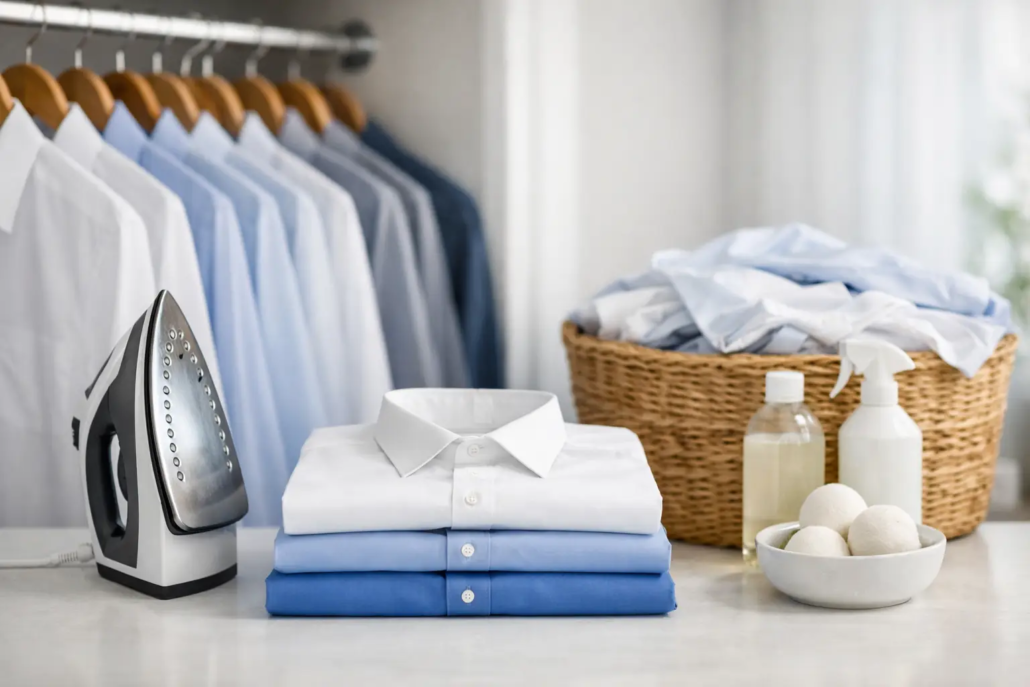
Dress Shirt Laundry for a Sharper Workweek
A clean dress shirt can make a suit look better, make a uniform feel more professional, and save a rushed morning. But dress shirt laundry is not simply a matter of washing a shirt and hanging it up. Collars collect skin oils, cuffs pick up dirt, and pressing can either create a crisp finish or leave behind shine, wrinkles, and creases in the wrong places.
For people who wear button-down shirts several days a week, a reliable laundry routine is one of the easiest ways to keep a work wardrobe ready. The right care also helps shirts last longer, especially when they are made from fine cotton, have structured collars, or carry a favorite fit that is hard to replace.
What Professional Dress Shirt Laundry Does Differently
Professional shirt laundry is designed around both cleaning and finishing. The goal is not just to return a shirt that smells fresh. It is to return one that is clean at the collar and cuffs, properly shaped, neatly pressed, and ready to wear.
Most everyday cotton and cotton-blend dress shirts can be professionally laundered with water-based cleaning. The shirt is inspected first, then treated for visible stains and common problem areas such as collar rings and underarm discoloration. After cleaning, it is pressed with equipment that helps shape the collar, body, sleeves, cuffs, and placket more consistently than a quick pass with a household iron.
That finishing step matters. A shirt can be clean but still look worn if the collar points curl, the front placket buckles, or the sleeve creases are uneven. Professional pressing gives business shirts, school shirts, church clothing, and uniforms the polished appearance that is difficult to achieve when laundry has to fit into a busy evening.
Not every shirt should receive the same treatment. Some delicate fabrics, dark colors, silk blends, or shirts with special trim may need gentler wet cleaning or dry cleaning instead. Care labels offer a useful starting point, but fabric feel, construction, and stain type can affect the best method.
The Areas That Need the Most Attention
A white or light-blue shirt often shows wear first at the collar and cuffs. These areas come into direct contact with skin, hair products, cologne, makeup, desk surfaces, and everyday grime. Over time, body oils can oxidize and create the yellowish or gray cast that makes an otherwise good shirt look tired.
Underarms are another concern. Antiperspirant residue can stiffen fabric and leave discoloration, particularly on white shirts. Treating the problem early offers the best chance of removal. Once a stain has been exposed to heat repeatedly, whether from a dryer or an iron, it can become much harder to lift.
Food and drink stains deserve prompt attention as well. Blot a fresh spill gently rather than rubbing it deeper into the fabric. Avoid applying a random household cleaner without checking the label or testing an inconspicuous area. Bleach, for example, may seem like the obvious answer for white shirts, but frequent use can weaken fibers and may react badly with certain finishes or blends.
When dropping off shirts, point out stains and mention what caused them if you know. Coffee, red wine, ink, grease, and makeup each respond differently to treatment. That small detail helps a garment care professional choose a more appropriate approach.
When At-Home Shirt Care Makes Sense
At-home washing works well for many casual button-downs and durable everyday shirts, particularly when the care label permits machine washing. It can be a practical choice when you have the time to sort colors, pre-treat spots, use a gentle cycle, and press the shirts carefully afterward.
The trade-off is time and consistency. A shirt that is washed in water that is too hot may shrink or lose color. A crowded washer can leave wrinkles set into the fabric. High dryer heat can shorten the life of elastic components in collars and cuffs, while rushed ironing can create a shine mark or set a stain permanently.
If you wash dress shirts at home, unbutton them fully before laundering and remove collar stays if they are removable. Turn shirts inside out when appropriate, especially for darker colors, and separate whites from colors. Use a detergent suited to the fabric and avoid overloading the machine. Taking shirts out while they are slightly damp makes pressing easier and can reduce deep wrinkles.
For occasional wear, a home routine may be enough. For a weekly rotation of office shirts, formal shirts, or uniforms, professional service can be the more practical choice. It reduces the time spent sorting, ironing, and correcting laundry mishaps, while helping each shirt look consistent from one wear to the next.
Pressing Is More Than a Final Step
The press is where many shirts either look polished or look merely clean. A well-finished shirt has a smooth front, aligned button placket, crisp cuffs, and a collar that sits correctly under a jacket or tie. Sleeve creases are a matter of preference. Some people like a sharp crease down the sleeve, while others prefer a smoother, more natural finish.
Professional finishing also helps preserve the shirt’s intended shape. Collars should not be flattened beyond recognition, and cuffs should not develop hard, awkward folds. Heat and pressure must be matched to the fabric. Too much of either can create a sheen on darker shirts or damage delicate fibers.
If you prefer a particular finish, communicate it. A customer who wears shirts open at the neck may care most about a clean, well-shaped collar. Someone who wears a jacket every day may want a sharper press through the chest and sleeves. Small preferences make a difference when shirts are part of a regular wardrobe.
A Better Weekly Routine for Busy Households
The easiest wardrobe routines are built around real life, not perfect intentions. Instead of waiting until every clean shirt is gone, set aside shirts after each wear and check collars, cuffs, and stains before they go into a hamper. This prevents a stained shirt from sitting for days and makes it easier to keep track of what needs special attention.
For many professionals and families, a weekly shirt laundry schedule works best. Gather office shirts, uniforms, blouses, and other washable pressed items on the same day. Keep dry-clean-only garments separate, and empty shirt pockets before sending items out. If a button is loose, a hem is coming undone, or a shirt no longer fits as comfortably as it once did, address that at the same time rather than waiting for it to become unwearable.
That is where an all-in-one neighborhood garment care service can simplify the week. Joe’s Organic Dry Cleaning & Tailoring can handle cleaning, pressing, and many fit corrections together, with pickup and delivery available for customers who would rather spend their time on something other than laundry runs.
How to Help Shirts Last Longer
Good laundering is part of shirt care, but it is not the only factor. Rotate shirts instead of wearing the same few favorites every week. Give each shirt time to air out after wearing, especially during warm weather or a long commute. Use wooden or quality shaped hangers for shirts that will be stored hanging, and avoid cramming them tightly into a closet.
Pay attention to early signs of wear. Fraying at a collar edge, thinning at the elbows, missing buttons, and loose cuff stitching can often be repaired before they become major problems. Alterations can also extend the useful life of a shirt that fits poorly through the body or sleeves but is otherwise in excellent condition.
A shirt does not need to be saved only for special meetings to deserve professional care. When your wardrobe is clean, pressed, and ready, getting dressed becomes one less decision on a busy morning. Set up a routine that fits your schedule, treat stains early, and give the shirts you rely on the careful finish they deserve.

