
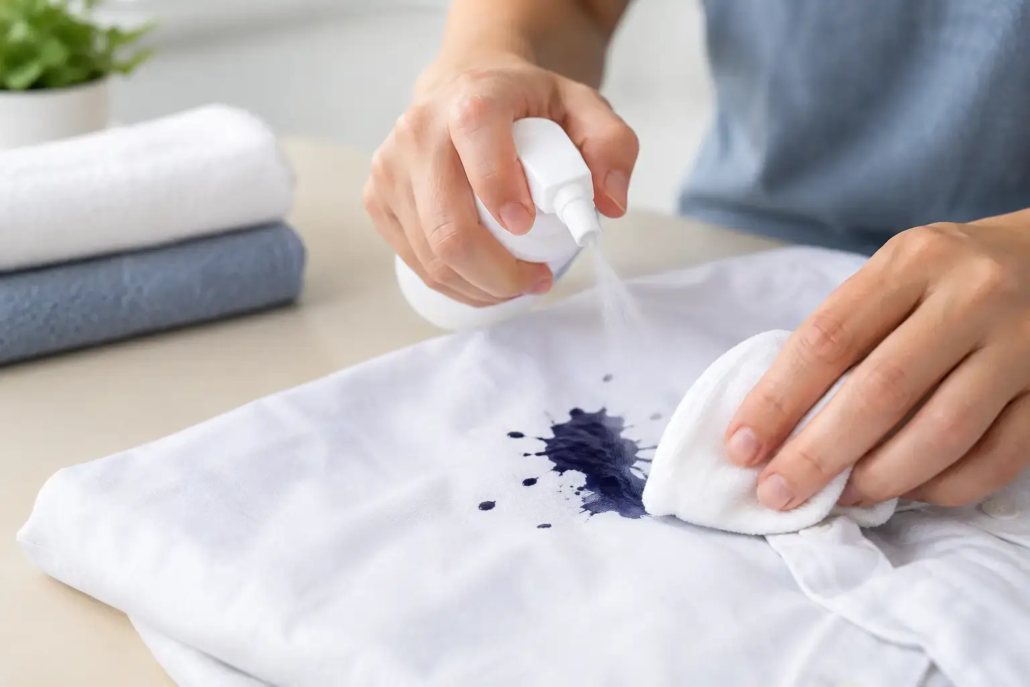
Can Cleaners Remove Ink Stains From Clothes?
A leaking pen in a shirt pocket can turn an ordinary workday into a wardrobe emergency. The good news is that, in many cases, cleaners can remove ink stains – especially when the garment arrives promptly and has not been treated with the wrong product at home. The honest answer is that success depends on the ink, the fabric, the age of the stain, and what happened before the item reached the cleaner.
For a favorite blouse, a suit jacket, a uniform, or a special-occasion dress, professional care is often the safest next step. Ink may look like one simple mark, but it can behave very differently from one pen, fabric, and garment construction to the next.
Can Cleaners Remove Ink Stains? Often, Yes
Professional cleaners have stain-removal methods designed to address inks without treating every garment the same way. Ballpoint ink, gel ink, permanent marker, and water-based ink each respond differently to cleaning agents. A cleaner also considers whether the item is silk, wool, cotton, linen, polyester, rayon, or a blend before choosing a process.
That fabric knowledge matters. A strong household solvent might loosen ink on a sturdy cotton shirt, but it may also spread the stain, leave a ring, affect dye color, or damage a delicate fabric. Structured garments add another consideration: linings, interfacing, buttons, beading, and trims may each need different handling.
No responsible cleaner can promise that every ink stain will disappear completely. Ink can permanently change fabric fibers, particularly when it has dried, been heated, or soaked deeply into a light-colored material. Still, professional treatment can often remove the stain or improve it significantly while protecting the garment better than trial-and-error methods at home.
What Determines Whether Ink Will Come Out?
The most important factor is time. Fresh ink is generally easier to treat because it has had less time to bind with the fibers. If you notice a pen mark right away, set the garment aside and bring it in as soon as practical. Do not wait until the next time you clean out your closet if the piece is valuable or needed for work or an event.
The type of ink is equally important. Ballpoint ink is oil-based and often responds well to targeted professional spotting. Water-based ink, such as some washable markers or fountain pen inks, may require a different approach. Gel ink can be stubborn because it combines pigments, dyes, and thickening ingredients. Permanent marker is often the most difficult category, but difficult does not always mean impossible.
Fabric and color make a real difference. White cotton may allow more treatment options than a bright silk blouse, for example. On a dark or richly colored garment, the goal is not only to remove the ink but also to preserve the original color and finish. A cleaner may need to work gradually rather than use an aggressive method that creates a more noticeable faded area.
Finally, previous treatment can change the outcome. Heat from a dryer, iron, or hot water can set some inks. Rubbing can force pigment deeper into the fabric or enlarge the stained area. Products such as hairspray, rubbing alcohol, soap, bleach, and stain sticks may help in limited situations, but they can also cause color loss, rings, or residue that complicates professional removal.
What to Do When You Find an Ink Stain
Start by resisting the urge to scrub. Blot gently with a clean white cloth or paper towel if the ink is still wet, using a light touch to lift excess ink rather than push it outward. Avoid colored towels, which can transfer dye to damp fabric.
Keep the garment away from heat. Do not put it in the dryer, iron over the mark, or leave it in a hot car if it can be avoided. Heat may make the stain more difficult to remove and can make a small accident a long-term problem.
Then bring the item to a professional cleaner and point out the exact location of the stain. If you know what caused it, share that information. Saying that it came from a blue ballpoint pen, black gel pen, marker, or printer ink gives the cleaning team a better starting point. It is also helpful to mention any products you have already used.
If pickup and delivery is part of your regular garment-care routine, place the item in a separate bag or add a clear note so the stain is not missed during processing. This is particularly useful for shirts, school uniforms, and office clothing sent out with a weekly order.
Why Home Remedies Can Be Risky
Online stain advice tends to make ink removal sound simple: apply a product, dab, rinse, and repeat. That approach may work for a washable cotton item with a fresh, small stain. It is not a reliable plan for every garment.
Rubbing alcohol, for instance, can dissolve certain inks, but it can also pull color from acetate, rayon, silk, and some dyed fabrics. Hairspray formulas vary widely and may leave sticky residue. Bleach is rarely appropriate for ink because it can weaken fibers or turn a dark mark into an orange, yellow, or pale patch. Even water can spread water-soluble ink across a larger area.
There is also the issue of the care label. A garment labeled dry clean only may shrink, distort, bleed, or lose its finish if soaked at home. Tailored jackets, dresses with embellishments, and lined garments are especially poor candidates for kitchen-counter experiments. The cost of a professional assessment is often small compared with replacing a well-fitted suit or a dress needed for an upcoming occasion.
Professional Cleaning Is More Than One Cleaning Cycle
Ink treatment usually begins before the garment goes through its main cleaning process. The stain is inspected, tested carefully when appropriate, and treated with a method suited to the ink and fiber. The garment may then be dry cleaned, professionally wet cleaned, or laundered, depending on what its material and care requirements call for.
At Joe’s Organic Dry Cleaning & Tailoring, fabric-conscious care is especially useful for garments that need more than a basic wash. Organic K4 dry cleaning and professional wet cleaning provide options for different fabric types, while experienced finishing helps return clothing ready to wear. If a garment also needs a button replaced, a hem repaired, or a fit adjustment, addressing it through one local garment-care service can save another errand.
Some pieces require repeat treatment or a more cautious process. That is not a sign that the cleaner is doing less. It often reflects an effort to balance stain removal with preserving the garment’s color, texture, shape, and trim. For delicate pieces, protecting what remains of the garment may be the right priority even if a faint shadow of the stain cannot be fully removed.
When an Ink Stain Needs Extra Care
Bring special garments in promptly if the ink is on silk, wool, velvet, leather, suede, wedding attire, formalwear, or anything with beads, sequins, or delicate trim. These materials are less forgiving, and home treatment can create permanent changes quickly.
Ink on a jacket pocket, shirt collar, or purse-lined area can also require extra attention because the stain may reach more than one layer of material. A mark on the outside of a blazer may have penetrated the lining or the interfacing beneath it. Proper inspection helps prevent ink from reappearing after cleaning.
For busy households, it is worth checking pockets before placing clothing in the hamper. Pens, markers, lip balm, receipts, and tissues are small items that cause outsized laundry problems. A quick pocket check is one of the easiest ways to protect shirts, uniforms, and everyday favorites.
Give the Garment Its Best Chance
The best response to ink is quick, calm action: blot rather than scrub, avoid heat, skip harsh experiments, and tell your cleaner what happened. Professional stain removal cannot reverse every accident, but early expert care gives your clothing the strongest chance of returning to your closet clean, polished, and ready for the next important day.
