
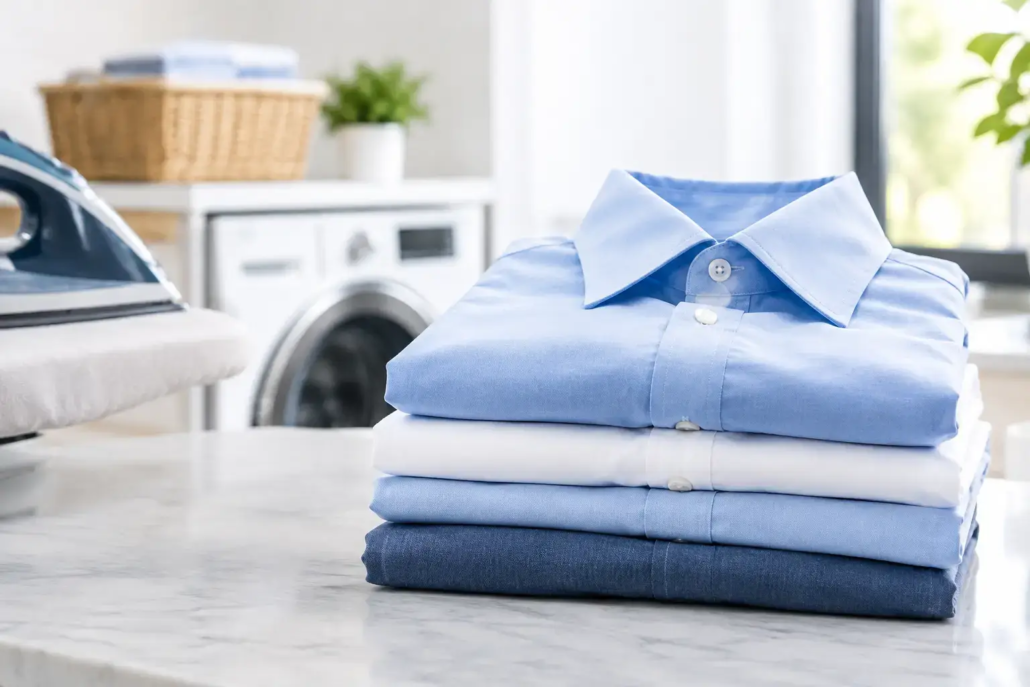
Professional Shirt Laundry for a Sharper Week
A shirt can look clean at home and still fall short when it matters. A collar that has softened, a cuff with a faint ring, or a sleeve that will not hold its shape can make an otherwise polished outfit feel unfinished. Professional shirt laundry gives work shirts, uniforms, dress shirts, and special-occasion clothing the cleaning and crisp finishing needed to stay ready for the week.
For busy households, this is not just about appearances. It is about opening the closet on Monday morning and finding shirts that are clean, pressed, matched, and ready to wear. That saves time before work, school, church, travel, or an event, while helping favorite garments last longer.
What Professional Shirt Laundry Does Differently
A well-finished shirt starts with more than a quick wash. Professional shirt laundry is designed for washable dress shirts and similar garments that benefit from thorough cleaning, careful stain attention, pressing, and shaping. The goal is to return each shirt looking fresh while maintaining the fabric, color, buttons, collar, cuffs, and overall fit.
At home, shirts are often washed alongside heavier items, dried too long, then left in a basket until wrinkles set in. That routine is understandable, especially in a full household, but it is hard on fine cottons and difficult to repeat consistently. Heat can weaken fibers, fading can develop gradually, and a rushed iron job rarely restores a collar or placket to a clean, even finish.
Professional care separates garments by color, fabric, and care needs. Shirts are inspected before cleaning so visible marks, broken buttons, loose threads, and areas of wear can be noticed. After cleaning, each garment is pressed with attention to the collar, cuffs, sleeves, front, back, and button area. The finished result is neat without looking stiff or overworked.
This service is especially useful for cotton dress shirts, oxford shirts, business casual button-downs, blouses with structured details, school uniforms, restaurant and hospitality uniforms, and shirts worn repeatedly for work. Some garments need a different approach, however. Silk, wool, heavily embellished pieces, and shirts labeled dry clean only should be evaluated according to their care labels and fabric construction.
Laundry and Dry Cleaning Are Not the Same Service
The word “dry cleaning” is sometimes used to describe any professional garment care, but shirt laundry is generally a water-based cleaning process for washable items. Dry cleaning uses a specialized solvent process that can be better suited to certain suits, blazers, delicate fabrics, structured garments, and items with oil-based stains.
The right choice depends on the shirt. A washable cotton dress shirt usually benefits from laundering and pressing. A tailored silk shirt, a delicate fabric blend, or a garment with a dry-clean-only label may require a different method. A professional cleaner can help determine what protects the fabric and produces the best finish instead of applying the same process to every item.
Why Collars and Cuffs Need Extra Attention
Collars and cuffs collect the evidence of a busy day: body oils, skincare products, perspiration, food splashes, makeup, and everyday contact with desks and car interiors. These marks are easy to miss when they are fresh, but they can become more noticeable over time. Repeated home washing without proper treatment may leave a gray or yellowed appearance that makes a shirt look worn before its time.
Professional cleaning focuses on these high-contact areas before the shirt is finished. Early care matters. The longer a stain sits or the more often it is exposed to heat, the more difficult it can be to remove completely. Sending shirts in regularly gives staining less opportunity to become permanent.
It also helps to point out anything unusual. A coffee spill, pen mark, lipstick, sauce stain, or ink transfer should be mentioned when dropping off a shirt or arranging pickup. Stain removal is never a promise, because results depend on the fabric, the stain, and how long it has been there. Still, clear information gives the cleaner a better chance to select an appropriate treatment.
The Value of a Consistent Press
Pressing is where a freshly cleaned shirt becomes a finished garment. A proper press shapes the collar, straightens the placket, smooths the sleeves, and leaves cuffs looking intentional rather than flattened. It creates the clean lines that stand up under a jacket, a sweater, or on their own in a meeting.
The difference is not simply cosmetic. Consistent pressing helps shirts stack and hang more neatly, making a crowded closet easier to manage. When clothes are ready to wear, there is less last-minute ironing and fewer mornings spent deciding whether a shirt is presentable enough.
For many customers, the preferred finish is personal. Some like a crisp look for business shirts and formal occasions. Others prefer a softer feel for casual button-downs and everyday wear. The fabric itself also affects the result. A heavier oxford cloth will look different from a lightweight poplin or a stretch-cotton blend, even when both are expertly cleaned and pressed.
How Often Should You Send Shirts Out?
There is no single schedule that works for every closet. A commuter who wears dress shirts five days a week may use shirt laundry weekly. A family managing uniforms, school clothing, and church attire may prefer a regular pickup schedule that keeps garments from piling up. Someone who works from home may only need service before travel, presentations, interviews, weddings, or other important occasions.
The practical answer is to send shirts in before they become difficult to clean or stressful to manage. A small rotating group of dependable shirts can make weekly service simple. Instead of owning too many shirts and wearing each one until it looks tired, keep the shirts you rely on in regular care and repair any minor issues promptly.
Watch for a few signs that a shirt needs professional attention: collars no longer look bright after washing, cuffs retain a shadow, wrinkles stay even after ironing, buttons are loose, or the fit has changed. Those issues do not always mean the shirt is ready to be replaced. Cleaning, pressing, and a small repair or alteration may extend its useful life.
Pair Shirt Care With Tailoring When Fit Changes
A sharp shirt should fit as well as it is cleaned. Weight changes, altered posture, and changes in personal style can make an old favorite feel wrong through the body, sleeves, or cuffs. In many cases, a practical adjustment can make a shirt more comfortable and more flattering than buying something new.
That is one advantage of working with a garment care provider that offers both cleaning and in-house tailoring. A missing button can be replaced, a small tear may be repaired, and selected garments may be altered when the construction allows it. Not every shirt is worth altering, particularly if fabric is thinning or the collar has worn through, but it is worth asking before giving up on a quality piece.
Make Weekly Wardrobe Care Easier
The best laundry routine is the one that fits real life. Keep a dedicated bag or hamper for shirts that need professional care, and check pockets before sending garments out. If you notice a stain, avoid rubbing it aggressively or applying a product that could set the mark. Bring it to attention instead.
For households with packed schedules, pickup and delivery can turn garment care into one less errand. Joe’s Organic Dry Cleaning & Tailoring offers free local pickup and delivery for customers in Westbury and nearby Long Island communities, making it easier to keep workwear and family essentials moving through a dependable routine.
Store finished shirts on appropriate hangers and give them a little breathing room in the closet. If a shirt will not be worn for a while, make sure it is clean first. Invisible body oils and residue can attract problems over time, while a freshly cleaned garment is better prepared for storage.
A well-cared-for shirt does quiet work. It helps you look prepared when the day moves quickly, feels more comfortable through long hours, and gives you one less decision to make before heading out the door. Build shirt care into your week, and your closet will be ready when you are.
