
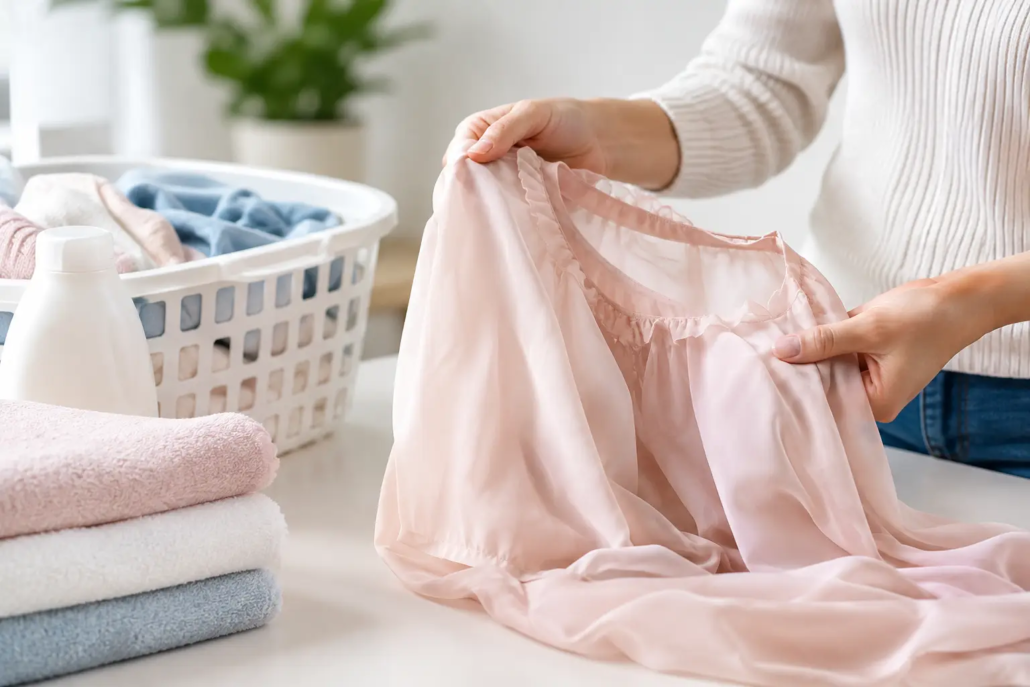
Delicate Fabric Care That Keeps Clothes Ready
A silk blouse can look perfectly fine after one wear, yet carry a small oil spot at the collar that becomes much harder to remove weeks later. A wool sweater can lose its shape from one hot wash. With delicate fabric care, the goal is not simply to get a garment clean. It is to protect its color, texture, structure, and fit so it is ready when you need it.
That matters for more than special-occasion clothing. Work blazers, dress shirts with fine details, uniforms, sweaters, curtains, and formalwear all need the right routine. A little attention at home helps, but knowing when to bring an item to a professional can prevent expensive mistakes.
Delicate Fabric Care Starts With the Label
Care labels are not suggestions. They are the manufacturer’s instructions based on the fabric, dyes, trims, lining, and construction of that specific piece. Before washing, steaming, or spot treating anything, check the label and look beyond the main fabric name.
A garment labeled silk may also have a rayon lining. A wool jacket may include shoulder pads, glued interfacing, leather trim, or decorative buttons. A dress marked washable may still need special handling because of beading or a pleated finish. These details affect whether water, heat, friction, or a cleaning solution can cause damage.
If the label says dry clean only, professional cleaning is usually the safest choice. That is especially true for structured garments such as suits, blazers, coats, and lined dresses. Washing these items at home can cause shrinkage, puckered linings, distorted lapels, or loss of shape.
“Dry clean” labels offer more flexibility, but they still deserve care. Some washable items can be hand washed successfully, while others benefit from professional wet cleaning or dry cleaning to preserve their finish. When the garment is costly, sentimental, tailored, or difficult to replace, caution is a sensible trade-off.
Sort by More Than Color
Most people separate laundry into lights and darks. Delicates need a second level of sorting based on weight, texture, and construction. A lightweight blouse should not share a load with jeans, towels, or garments with zippers and hooks. Even on a gentle cycle, rough fabrics and hardware can snag lace, pull knits, and create abrasion on silk.
Wash delicate washable pieces with similar lightweight items. Turn garments inside out, close zippers and hooks, and use a mesh laundry bag for lingerie, hosiery, fine knitwear, or anything with straps. This does not make every delicate item machine-safe, but it reduces the friction that causes many common laundry problems.
Color still matters. Deep navy, red, black, and saturated new garments may release dye, particularly in cool water. When you are unsure whether a piece will bleed, wash it separately the first time or leave it to a cleaner who can assess the fabric safely.
Water Temperature, Detergent, and Time Make a Difference
Heat is hard on delicate fibers. Hot water can shrink wool, fade colors, set certain stains, weaken elastic, and damage finishes. Cool water is the better default for washable silk, fine synthetics, lingerie, and many lightweight blends. For wool, use the label’s direction and avoid sudden shifts between warm and cold water, which can contribute to felting.
Use a mild detergent formulated for delicate fabrics, and measure it carefully. More detergent does not mean cleaner clothes. It can leave residue that makes fabric feel stiff or dull and may irritate sensitive skin. Bleach is rarely appropriate for delicate garments, even when a stain is frustrating. It can yellow silk, weaken fibers, and remove color unevenly.
Time matters, too. Do not leave a delicate garment soaking while you handle other chores unless the care instructions specifically allow it. Extended soaking can affect dye stability and shape. Hand washing is often gentle, but aggressive rubbing, twisting, or wringing is not. Move the garment lightly through the water, rinse thoroughly, then press out water with a clean towel instead of twisting the fabric.
Drying Is Where Good Intentions Often Go Wrong
The dryer is convenient, but it is not friendly to many delicate pieces. High heat can shrink natural fibers, damage stretch fabric, warp trims, and make wrinkles harder to remove. Even low heat can be too much for a garment with elastic, lace, embellishments, or a fragile lining.
Lay sweaters and other knits flat on a clean towel or drying rack so they keep their shape. Do not hang a heavy wet sweater by the shoulders, since the weight of the water can stretch the knit. Reshape seams, cuffs, and collars while the item is damp.
For blouses and dresses, follow the label. Some pieces can be hung on a padded or non-slip hanger to air dry, while others dry better flat. Keep delicate fabrics out of direct sunlight, which can fade color and make some fibers brittle over time. If you need a garment quickly, professional pressing is safer than trying to force the process with high dryer heat.
Treat Stains Gently and Promptly
The longer a stain sits, the more likely it is to become permanent. Still, fast action should not mean harsh action. Scrubbing a stain can spread it, roughen the fabric surface, or push it deeper into the fibers.
Blot liquid spills with a white cloth or paper towel. Work from the outer edge toward the center, using gentle pressure. Avoid colored napkins or towels that might transfer dye. Do not apply heat from an iron or dryer until you know the stain is gone, because heat can set oil, protein, sugar, and beverage stains.
Be especially careful with perfume, deodorant, makeup, wine, oils, and sauces on silk, wool, satin, and formalwear. Home stain removers can leave rings, fade color, or alter the finish. If you plan to take a garment to a cleaner, point out the stain and explain what caused it when possible. That information helps determine the safest treatment.
Pressing Delicate Clothes Without Creating Damage
A polished garment is not always one that has been pressed with the hottest iron. Silk can develop water marks or shine, wool can become glossy, and synthetic fabrics can melt under excessive heat. Always use the temperature setting recommended for the fiber, and test a hidden area if you are unsure.
Steam can be helpful, but it also requires care. Hold a steamer slightly away from the fabric rather than pressing the nozzle against it. For structured jackets, pleated skirts, and dresses with embellishments, home steaming may not reach the results you want without risking the garment’s shape.
When using an iron, turn the item inside out when appropriate and place a clean pressing cloth between the iron and the fabric. Avoid ironing directly over sequins, beads, velvet, prints, and delicate trims. Some wrinkles are better handled by professional finishing, particularly on formalwear or garments that need crisp creases and a smooth, even appearance.
When Professional Care Is the Better Choice
At-home care makes sense for many washable delicates when you have the time, the right supplies, and clear label instructions. Professional service is a better investment when a garment is structured, heavily stained, tailored, vintage, embellished, or made from mixed materials. It is also useful when you need consistent pressing for work clothes and special events.
Professional cleaners can select methods based on the garment rather than forcing every item through one wash routine. Organic dry cleaning and professional wet cleaning are both fabric-conscious options, depending on what the item needs. A skilled cleaner also looks for loose buttons, weakened seams, lining issues, and minor repairs before they become bigger problems.
Tailoring belongs in the same conversation. A delicate garment that fits poorly may pull at seams, catch on shoes, or wear unevenly. Repairing a loose hem, replacing a missing button, or adjusting a waist can extend the useful life of clothing you already own.
Store Delicates So They Stay Ready
Clean clothing before long-term storage. Invisible body oils, fragrance, and food residue can attract pests or become harder to remove later. Use clean, breathable storage for most natural fibers, and avoid packing garments tightly enough to crush them.
Fold knitwear rather than hanging it. Hang dresses, blouses, and jackets on appropriate hangers that support the shoulders. For wedding gowns, formalwear, and garments with delicate beading, storage needs can vary widely, so professional guidance is worthwhile.
A dependable wardrobe is built through small habits: read the label, separate delicate pieces, avoid unnecessary heat, and address stains before they settle. When a garment needs more than careful home handling, Joe’s Organic Dry Cleaning & Tailoring can help keep the clothes that matter to you clean, well-finished, and ready for the next day on your calendar.
