
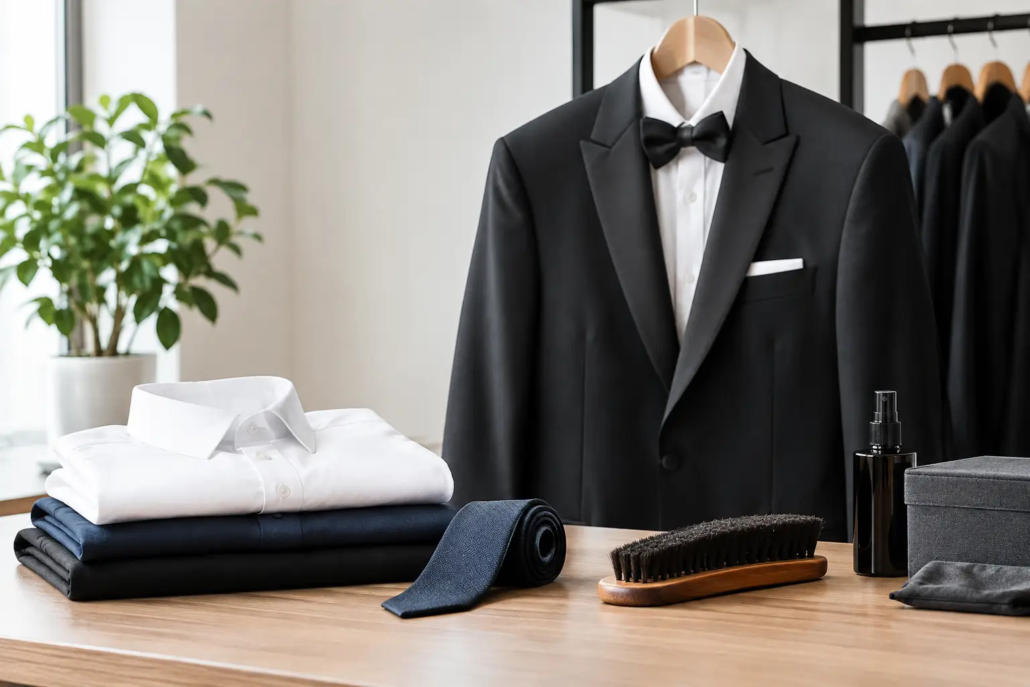
Formalwear Preservation Guide for Lasting Style
That suit you wore to a promotion dinner or the gown saved from a family wedding may spend far more time in a closet than at an event. What happens during those quiet months determines whether it comes out crisp and ready or yellowed, wrinkled, and carrying a surprise stain. This formalwear preservation guide covers the practical steps that help special-occasion clothing hold its shape, color, and value between wears.
Formalwear is not all cared for the same way. A wool tuxedo, beaded evening dress, silk tie, and wedding gown each have different fibers, trims, construction, and cleaning needs. The goal is not simply to put an item away. It is to remove what can cause damage, support the garment properly, and create storage conditions that do not work against it.
Start Preservation Before the Stain Sets
A garment can look clean after one evening and still need professional attention. Clear drinks, perfume, body oils, makeup, and food residue may leave little or no visible mark at first. Over time, heat and oxidation can turn those residues into yellow or brown discoloration that is harder to remove.
Bring formalwear in for cleaning soon after it has been worn, especially if it was worn outdoors, at a crowded event, or during warm weather. This is particularly true for light-colored gowns, satin, silk, and clothing with underarm perspiration. Waiting until the next occasion may save a trip now but can create a more difficult restoration later.
At home, avoid rubbing a fresh spill with water, club soda, or a household stain remover unless the care label specifically supports that treatment. Rubbing can spread the stain, flatten delicate fibers, or damage a finish. If you can, gently blot the area with a clean white cloth and point out the stain when you bring the garment to a professional cleaner.
Read the Care Label, Then Consider the Construction
The care label is a useful starting point, but it does not tell the entire story. A dress marked dry clean may also have beads, sequins, lace, glued appliques, or layered fabrics that require extra caution. A blazer may be wool on the outside but contain interfacing, shoulder pads, and lining that affect how it should be cleaned and pressed.
Professional cleaning is often the safest choice for structured and delicate formalwear because it addresses both cleaning and finishing. Proper finishing restores a smooth appearance without pressing creases into the wrong places or scorching sensitive fabric. For garments with special details, it also allows a cleaner to inspect loose beads, weak seams, worn hems, and missing hooks before those small issues become bigger ones.
If a gown, suit, or tuxedo needs a repair or fit adjustment, take care of it before storage. A loose hem can snag. A missing button can get lost. Storing clothing that no longer fits can also create an unpleasant surprise before the next event. Tailoring and preservation work well together because the garment is handled, cleaned, repaired, and put away in its best condition.
Formalwear Preservation Guide: Choose the Right Storage
The plastic bag from the cleaner is useful for the trip home, but it is generally not the best long-term storage solution. Plastic can trap moisture and limit airflow, which may contribute to mildew, odor, and discoloration. Remove it once you are home unless your cleaner provides packaging specifically designed for long-term preservation.
For most suits, tuxedos, blazers, and evening dresses, a clean, breathable fabric garment bag offers better everyday protection. Choose one long enough that the hem does not fold or drag along the bottom. Use a sturdy, appropriately sized hanger that supports the shoulders without stretching them. Thin wire hangers can distort a jacket or leave stress marks on delicate straps.
Very heavy gowns may need extra support. If the straps are carrying the full weight of a heavily beaded or layered dress, they can stretch over time. In some cases, careful folding with acid-free tissue in a preservation box is the better option. This is also common for wedding gowns and heirloom pieces that will not be worn for years.
Avoid storing formalwear in an attic, basement, garage, or any area that has major swings in temperature or humidity. Heat can set stains and weaken fibers, while damp conditions invite mildew. A cool, dry interior closet is usually the best choice. Keep the garment away from direct sunlight, which can fade color and weaken fabric over time.
How to Store Suits and Tuxedos Without Losing Their Shape
A well-made suit has structure that deserves protection. Hang the jacket on a broad, shaped hanger that fills out the shoulders. Fasten one or two buttons to help it keep its form, but do not pull the jacket tight across the hanger. Empty all pockets first, since keys, receipts, and coins can pull the fabric out of shape and leave impressions.
Trousers can be hung by the cuff on a clamp hanger with padded clips, or folded neatly over a trouser bar. If you use clips, place a small piece of clean fabric between the clip and the trouser to avoid marks. Give the suit breathing room in the closet. Packing jackets tightly together encourages wrinkles and crushes the shoulder line.
Brush wool suits lightly after wearing them to remove surface dust, then let them air out before returning them to the closet. This is helpful after a short, clean wear, but it does not replace cleaning after a spill, heavy perspiration, or extended use. Over-cleaning can be hard on any garment, so the right schedule depends on how often it is worn and what it has been exposed to.
Protect Delicate Dresses, Gowns, and Embellishments
Formal dresses often need more careful handling than menswear because decorative details can be fragile. Beading, sequins, embroidery, metallic thread, and lace can catch on zippers, rough hangers, or neighboring garments. Before putting a gown away, check that closures are fastened and that no embellishments are loose.
For a lighter dress, padded hangers can prevent strap creases and shoulder distortion. For a heavier gown, ask a garment-care professional whether folding with acid-free tissue is safer than hanging. Tissue placed between folds reduces hard creases and helps prevent decorative surfaces from rubbing against themselves.
Do not use colored tissue paper, newspaper, cardboard, or regular plastic bins directly against the garment. Dyes and acids from ordinary paper products can transfer or contribute to yellowing. Scented sachets and mothballs are also poor companions for formalwear. Their odor can linger in fabric, and mothballs contain chemicals that are not ideal for household closets.
Check Stored Formalwear Twice a Year
Preservation is not a one-time task. Check stored formalwear about every six months, preferably before seasonal wardrobe changes. Look for yellowing, new stains, insect activity, mildew odor, crushed shoulders, and stress at seams or straps. Catching a problem early gives you a better chance of correcting it.
For boxed gowns, inspect the garment with clean, dry hands in a clean area. If it was folded, refold it along different lines using fresh acid-free tissue as needed. This helps reduce permanent creasing at the same fold points. Do not repeatedly unpack a delicate gown just to admire it, though. Extra handling increases the chance of snags and transferred oils.
When an event is approaching, take formalwear out several days ahead rather than the night before. You will have time to assess fit, arrange pressing, replace a missing button, or address a stain. A little lead time is especially helpful before weddings, galas, graduations, and holiday parties, when garment-care schedules can become busy.
For Long Island households balancing work, family events, and a full calendar, professional care can take much of this off the to-do list. Joe’s Organic Dry Cleaning & Tailoring can clean, press, repair, and help prepare special garments for storage or their next occasion, with pickup and delivery available in many nearby communities.
A formal garment should not feel like a gamble when you pull it from the closet. Give it a clean start, a suitable place to rest, and a quick check before it is needed. That simple routine keeps the clothing tied to your best occasions ready for the next one.
