
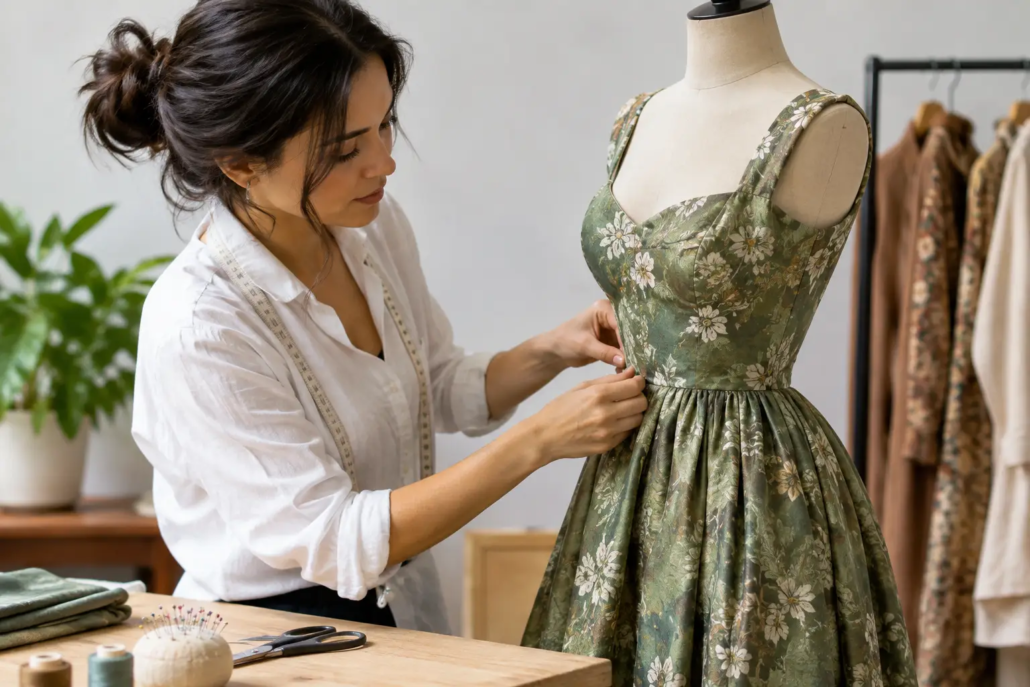
Best Vintage Clothing Alterations That Preserve Style
A vintage garment can look remarkable on the hanger and still feel wrong the moment you put it on. A waist may sit too high, a sleeve may be too long, or a once-perfect hem may no longer work with the shoes you wear. The best vintage clothing alterations solve those fit issues without erasing the character that made you bring the piece home in the first place.
That balance matters. Vintage clothing was made in different eras, for different body shapes, and often with construction details that are uncommon today. A good alteration is not simply about making something smaller or shorter. It is about understanding the fabric, the lining, the seams, and the original design before deciding what should change.
Start With Preservation, Not the Needle
Before any work begins, a vintage item should be inspected carefully. Age, previous repairs, storage conditions, and fabric type all affect what can be altered safely. Wool can develop weak spots from moth damage. Silk may be strong in one area and fragile along a fold line. Older elastic, interfacing, shoulder pads, and linings can break down even when the outer fabric still looks beautiful.
This is why cleaning and assessment often belong in the same conversation. Marks, yellowing, and old odors may need attention before tailoring, especially when a garment has been stored for years. A fabric-conscious cleaner can help identify stains or areas of wear that may affect an alteration plan. For delicate garments, professional wet cleaning or organic dry cleaning may be a better first step than experimenting at home.
Preservation also means accepting that not every change is worth making. If a 1950s dress needs to be taken in dramatically through a damaged side seam, or a beaded gown has fabric that is beginning to split, a tailor may recommend a lighter adjustment rather than a complete rebuild. The goal is a garment you can enjoy, not a risky project that sacrifices its original materials.
The Best Vintage Clothing Alterations Begin With Fit
The most successful alterations usually correct proportion while keeping the garment recognizable. A small adjustment can make a substantial difference in how a vintage piece wears.
Hemming dresses, skirts, and trousers
Hemming is one of the more practical vintage alterations, but it deserves careful planning. Many older dresses and skirts have wide hems, decorative borders, or a particular length that reflects their era. Shortening too much can change the entire silhouette. Before choosing a final length, try the garment with the shoes and undergarments you expect to wear.
A professional tailor can often retain the original hem when possible or recreate it in a way that looks appropriate for the garment. With patterned fabric, lace, or a border print, the placement of the new hem matters as much as the measurement.
Taking in a waist or side seam
A modest waist adjustment can turn an almost-right vintage dress, skirt, or pair of trousers into a regular favorite. Side seams are often the cleanest place to make this correction because they can preserve front details such as buttons, pleats, pockets, and embroidery.
However, taking in a garment has limits. If the lining, zipper, or armholes will be pulled out of balance, the work becomes more involved. A tailored fit should still allow you to sit, reach, and move comfortably. A piece that looks sharp for five minutes but strains at every seam is not truly wearable.
Adjusting straps, sleeves, and shoulders
Straps can often be shortened with minimal impact, particularly on evening dresses and summer garments. Sleeves are more complicated. A simple sleeve hem may work well, but altering from the shoulder can affect the sleeve cap, armhole, lining, and the way a jacket hangs.
Shoulder alterations should be approached cautiously on vintage blazers, coats, and formalwear. The shoulder shape often defines the period style. Removing large shoulder pads or narrowing shoulders may make a garment look more current, but it can also change the balance of the entire piece. Sometimes a small sleeve adjustment delivers a better fit without losing that distinctive structure.
Respect the Details That Cannot Be Replaced
The reason people love vintage clothing is often found in the details: hand-covered buttons, an unusual metal zipper, a shaped collar, a bias-cut skirt, hand beading, or a label from a maker no longer in business. These features deserve special attention during alterations.
Original buttons should be removed and reattached carefully when seams need to be opened. Beading and sequins may need to be secured before a seam is altered, then restored by hand afterward. An older zipper can sometimes be repaired or replaced, but replacing it may require opening a lining or matching a color that is no longer easy to find.
Lining is another important consideration. A jacket may look simple from the outside but have a fitted lining that must be altered separately. Skipping that step can leave pulling, bunching, or an unfinished appearance inside the garment. The best results come from treating the inside construction with the same care as the exterior.
Know Which Changes Are More Difficult
Some vintage alterations are straightforward. Others require significant reconstruction, and the cost or risk may outweigh the benefit. It depends on the garment’s condition, its value to you, and whether the fabric can tolerate being opened and resewn.
Making a garment larger is usually more challenging than making it smaller. The tailor must find enough seam allowance inside the garment, and older clothing does not always have it. Letting out a dress may also reveal a faded seam line, needle marks, or fabric that does not match the surrounding area.
Changing a neckline, moving a zipper, resizing a heavily beaded bodice, or rebuilding a damaged lining can all be possible, but these are specialized jobs. Bring the garment in for an honest evaluation rather than assuming a favorite piece can be altered in every way. A clear recommendation can save you from investing in a repair that will not hold up.
Bring the Right Pieces to Your Fitting
A fitting works best when the tailor can see the complete outfit. Wear or bring the undergarments that will support the garment, particularly for formal dresses, fitted skirts, and structured blazers. Bring your intended shoes for hemming. If you plan to wear a vintage jacket over a specific blouse or dress, bring that as well.
Be ready to explain how you will use the item. A dress for a wedding, a blazer for office wear, and a skirt for occasional outings may need different levels of comfort and durability. Mention whether you need room for movement, whether you prefer a close fit, and whether the item will be worn often. These details guide better decisions than measurements alone.
For a family heirloom or a special occasion piece, photographs can be helpful too. If you want to preserve the original look, a photo of the garment being worn in its earlier years may show how a collar, hem, or sleeve was intended to sit.
Care After Alteration Helps the Work Last
Once a vintage item has been fitted, proper care protects both the alteration and the original garment. Avoid repeated home washing unless the fabric is clearly washable and stable. Heat, aggressive stain removers, and harsh detergents can weaken older fibers or cause shrinkage that changes the fit you just corrected.
Store structured garments on supportive hangers, and do not crowd them tightly in a closet. Fold delicate knits and beaded pieces rather than hanging them for long periods. If a button loosens, a seam begins to open, or a hem starts to drop, have it addressed early. Small repairs are usually easier on aging fabric than waiting for a larger tear.
For Westbury and Long Island households managing work clothes, special-event outfits, and family wardrobes, Joe’s Organic Dry Cleaning & Tailoring can make the process simpler by coordinating professional garment care with thoughtful fit corrections. Having cleaning, pressing, and alterations handled in one place also helps ensure that the garment is evaluated as a whole.
A vintage piece does not need to fit exactly as it did decades ago to deserve a place in your wardrobe. With careful alterations, it can feel comfortable, look intentional, and keep its story visible every time you wear it.
