
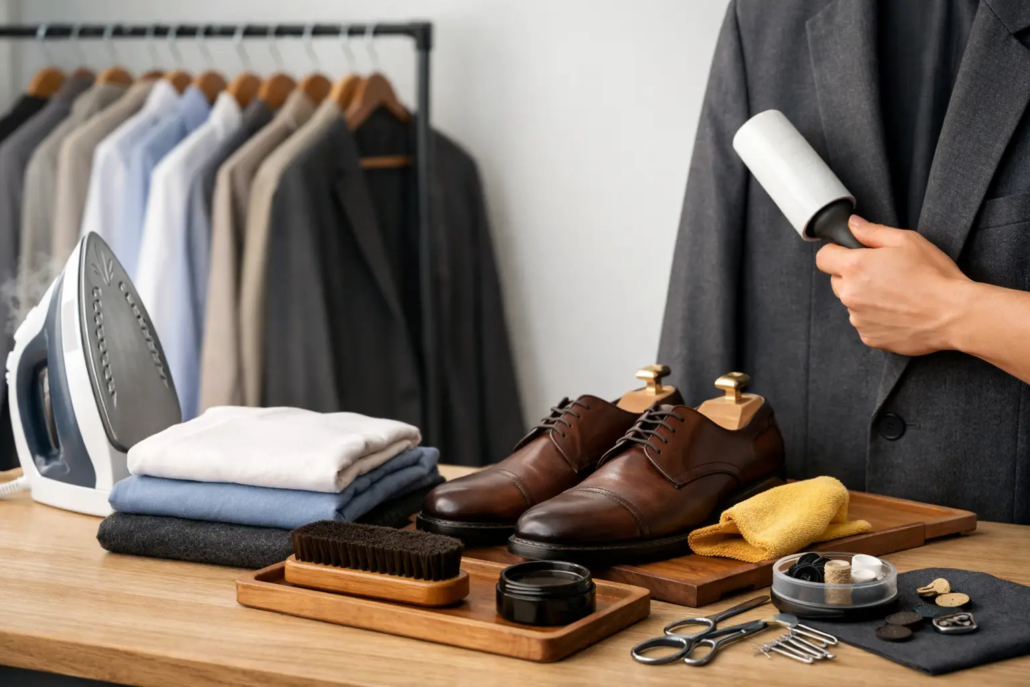
Weekly Wardrobe Maintenance Guide That Works
Monday morning gets harder when your favorite work shirt is still in the hamper, a jacket button is hanging by a thread, and the pants you planned to wear need pressing. A good weekly wardrobe maintenance guide is less about doing more laundry and more about keeping your clothes ready, presentable, and in better shape over time.
For most households, wardrobe upkeep falls apart for a simple reason: everything gets handled at the last minute. That is when small issues turn into bigger ones. A loose hem becomes a tear. A stain sets. A suit sits too long after a long day and comes out looking tired the next time you need it. A weekly routine helps you stay ahead of those problems without turning garment care into a second job.
Why a weekly wardrobe maintenance guide saves time
People often think wardrobe maintenance means extra work. In practice, it usually cuts work down. When you check your clothing once a week, you stop repeating the same stressful cycle of washing, hunting, ironing, and replacing items sooner than necessary.
There is also a quality factor. Everyday clothing can handle regular home care, but not every garment responds well to it. Dress shirts, structured pants, blazers, uniforms, formalwear, and delicate fabrics often look noticeably better when they are cleaned and finished properly. Even when an item is washable, the way it is dried, pressed, and stored affects how long it keeps its shape.
That is where a weekly system matters. It helps you separate what can be handled at home from what should be professionally cleaned, pressed, or altered. For busy professionals and families, that distinction is what keeps closets functional instead of chaotic.
Start with a 15-minute weekly check
The most useful part of any weekly wardrobe maintenance guide is the check-in. Pick one consistent time each week, usually after the weekend or before the workweek starts, and look through the clothing you actually wear most.
Focus on the items that support your routine. That might mean office shirts, school uniforms, work pants, blouses, sweaters, jackets, dresses, and a few event-ready pieces. You are not doing a full closet overhaul. You are simply asking four questions: what needs cleaning, what needs pressing, what needs repair, and what needs to be set aside for professional care.
This is also the best time to empty pockets, unzip garments, and inspect collars, cuffs, underarms, hems, and closures. These are the areas where wear shows up first. Catching a missing button or a small seam issue early is usually easy to fix. Waiting a month can make the repair more noticeable and more expensive.
Sort clothing by care needs, not just by color
Most people sort laundry by lights and darks, which is fine for basic washing. But a better weekly habit is sorting by care type first. That gives you a clearer picture of what should be washed at home, what should air dry, and what should go out for professional cleaning or pressing.
A cotton T-shirt, a performance workout top, and a dress shirt may all be white, but they do not need the same treatment. The T-shirt might be fine in a standard wash. The workout top may need gentler handling to protect stretch and odor-control finishes. The dress shirt may benefit from professional laundering and pressing if you want a cleaner collar, smoother cuffs, and a more polished result.
The same applies to tailored clothing. Suits, blazers, lined skirts, dress pants, and structured dresses usually last longer when they are not over-washed. Often, they need spot attention, proper pressing, and occasional professional cleaning rather than constant home laundering.
Handle stains and odors before they settle in
One of the biggest wardrobe mistakes is letting a stained or worn item sit for days. The longer it waits, the more likely the mark is to set or oxidize. Perfume, body oils, food spills, makeup, and deodorant buildup can all become harder to remove if ignored.
That does not mean every stain needs a kitchen-sink remedy. In fact, too much at-home treatment can make things worse, especially on silk, wool, rayon, embellished pieces, or anything with structure. The safer weekly habit is simple: identify the stained garment quickly, keep it separate, and avoid heat until it is treated. Heat from a dryer can lock in a stain that might otherwise come out.
Odor works the same way. Some garments need cleaning after each wear. Others just need airing out between uses. Sweaters, jackets, and blazers often fall into the second category, unless they have visible soil or absorbed smoke, food, or perspiration. The trade-off is judgment. Over-cleaning can wear fabrics out faster, but under-cleaning can shorten the life of linings, collars, and underarm areas.
Use your closet like a rotation system
A lot of wear and tear comes from overusing the same few items. If you always reach for the same two dress shirts, one blazer, or one pair of work pants, those pieces age faster than the rest of your wardrobe.
A weekly wardrobe maintenance guide should include rotation. Put freshly cleaned or pressed pieces back into use instead of defaulting to old favorites. This helps garments recover between wears and spreads friction, laundering, and pressing across more items.
Hangers matter here too. Structured jackets should stay on shaped hangers. Knitwear should generally be folded to avoid stretching. Dress pants keep their line better when hung properly. Small storage choices make a real difference when repeated every week.
Keep minor repairs from becoming replacements
Most people replace clothing for avoidable reasons. A hem drops. A zipper sticks. A waistband needs adjustment. A shirt fits almost right but not quite, so it stays unworn. These are maintenance problems, not shopping problems.
A weekly check gives you a natural place to set aside garments for tailoring or repair. That may include replacing buttons, reinforcing seams, shortening hems, adjusting sleeves, tapering pants, or improving the fit of a jacket or dress. Fit correction is especially useful for workwear and occasion clothing, where small changes can make an older item feel wearable again.
There is a practical balance here. Not every inexpensive garment is worth repairing. But for suits, uniforms, formalwear, favorite pieces, and anything you wear often, repair usually costs less than replacement and gives better results.
Know which items deserve professional care
Some clothing categories are simply better off in professional hands. This is especially true for garments with shape, lining, pleating, embellishment, delicate fibers, or special finishing needs.
Dress shirts are a common example. You can wash and iron them at home, but many people find the time and result do not justify the effort, especially when they need several ready every week. The same goes for suits, blazers, formal dresses, uniforms, coats, comforters, curtains, and special occasion garments. These items need care that protects both appearance and fabric integrity.
For households trying to stay organized, combining cleaning, pressing, and alterations in one place can simplify the whole routine. That is one reason many local customers rely on Joe’s Organic Dry Cleaning & Tailoring for recurring garment care, especially when pickup and delivery helps remove one more errand from the week.
Build a realistic weekly rhythm
The best maintenance routine is one you will actually keep. It does not need to be elaborate. In most homes, a workable rhythm looks like this: check the week’s clothing needs, separate regular wash from professional care, treat or flag any stains, set aside repairs, and return clean items to the closet in a way that makes next week easier.
If your schedule changes from week to week, anchor the routine to an existing habit. Do it after meal prep, on Sunday evening, or when you sort school or work items. The point is consistency, not perfection.
It also helps to think seasonally. In colder months, coats, sweaters, scarves, and lined garments need more attention. In warmer months, perspiration, sunscreen, and lighter fabrics create different care needs. Your weekly system should adjust to what you are actually wearing.
A few signs your current routine needs help
If you are constantly re-ironing items, rewashing clothes because odors linger, finding damage too late, or standing in front of the closet with nothing ready for the week, your routine is costing you time. The same is true if garments look worn out faster than they should.
A better system does not mean doing every task yourself. It means knowing when home care is enough and when professional cleaning, pressing, or alteration will protect the clothes you rely on most. That is a practical decision, not a luxury one.
Well-kept clothing makes everyday life easier. When your wardrobe is clean, fitted, and ready to wear, getting dressed feels less like problem-solving and more like moving on with your day.

