
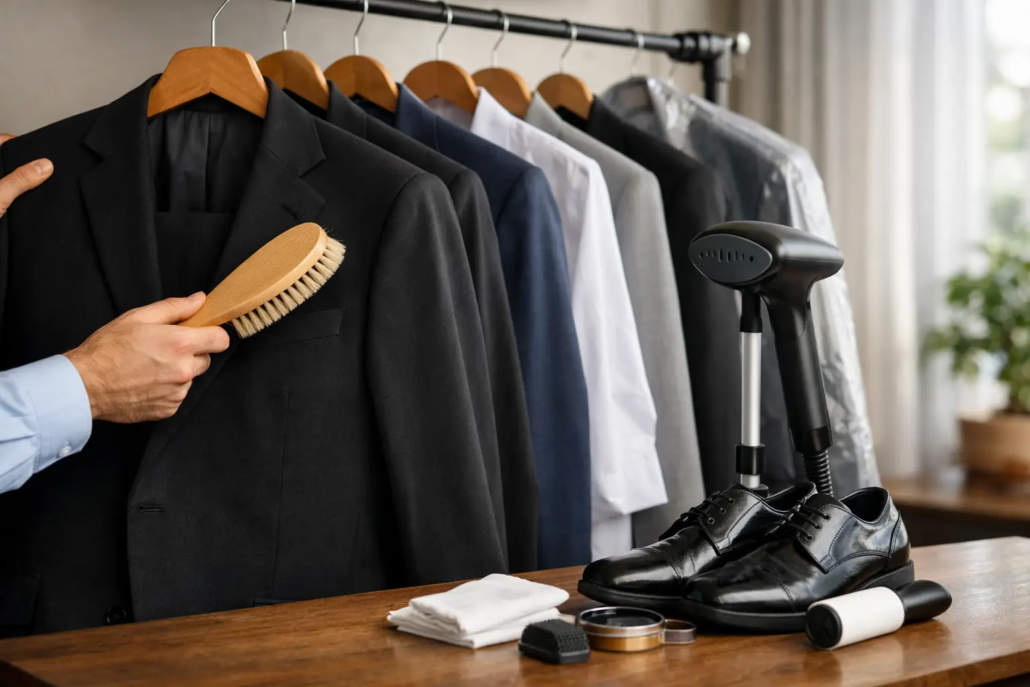
How to Care for Formalwear Between Events
A tuxedo that looked sharp at a wedding can come home carrying more than a few memories. A brush against a buffet table, a small spill at the bar, makeup at the collar, or a long evening in humid weather can all affect the fabric and finish. Knowing how to care for formalwear after each wear helps it stay comfortable, polished, and ready for the next important occasion.
Formal clothes are not treated like everyday laundry for a reason. Suits, tuxedos, gowns, cocktail dresses, and tailored blazers often combine delicate fabrics, structured linings, special trims, and carefully pressed details. A little attention at home is helpful, but professional care is often the safest way to protect the fit and appearance you paid for.
Start With the Care Label and Fabric
Before cleaning anything, read the garment’s care label. It is the best starting point, especially for pieces made from silk, wool, velvet, satin, lace, rayon, or blended fabrics. “Dry clean only” is not a suggestion to ignore after one small stain. It usually means the garment has a fabric, dye, lining, construction method, or embellishment that may not hold up in a home washer or dryer.
A formal garment may also have hidden areas that react differently than the outer fabric. A beaded gown can have a delicate lining. A suit jacket may have internal canvas and shoulder padding. A tuxedo shirt may need laundering and pressing, while the jacket and trousers need professional cleaning. Treating the whole outfit as if every piece needs the same care can create avoidable problems.
If you are unsure about a fabric or stain, avoid experimenting. Water, heat, rubbing alcohol, stain sticks, and household cleaners can set stains, leave rings, strip color, or damage trim. Bring the item in and point out the affected area so it can be assessed before cleaning.
What to Do Right After the Event
The way you handle formalwear on the night of an event matters. Do not leave a gown balled up in the back seat, toss a tuxedo over a chair, or keep a damp shirt in a garment bag until the next day. Wrinkles can become more difficult to remove, and trapped moisture can lead to odors or mildew.
Hang suits, jackets, dresses, and gowns as soon as you get home. Use a sturdy, shaped hanger for jackets and heavier dresses so the shoulders keep their form. Thin wire hangers can distort a jacket’s shoulder line and leave marks on delicate straps. Trousers can be hung from a clamp hanger with padding, or folded carefully over a wide bar to prevent a sharp crease.
Give the garment a chance to air out in a clean, dry room. Avoid direct sunlight, which can fade color, and do not place it near a radiator or heating vent. For an outfit that was worn only briefly and has no visible soil or odor, overnight airing may be enough before it is returned to the closet. If it was worn during a long event, in warm weather, or around food and drinks, professional cleaning is usually the better choice.
Handle Spills Gently
If a spill happens, blot it with a clean white cloth or napkin. Do not rub. Rubbing pushes the substance deeper into the fibers and can spread the stain across a larger area. For a wet spill, use light pressure to absorb as much as possible.
Avoid adding water unless you know the fabric can safely handle it. Silk and satin, for example, may show water marks. Do not use club soda, soap, or a stain-removal wipe on formalwear just because it worked on a cotton shirt. Tell your cleaner what caused the stain, such as red wine, oil, makeup, candle wax, or grass. That information helps determine the right treatment.
How to Care for Formalwear Before an Event
Good care begins before you leave the house. Take formalwear out several days ahead of the event rather than opening the garment bag an hour before you need to go. This gives you time to check for wrinkles, loose buttons, hem issues, missing hooks, or old stains that may have appeared after storage.
Try the outfit on, especially if it has been several months since you last wore it. A suit that fits differently at the waist, sleeves, or trouser break can look less polished even when it is freshly cleaned. Dresses may need straps adjusted, hems repaired, or closures reinforced. Small alterations are easiest when they are handled before event week, not on the way out the door.
If the garment needs pressing, avoid using a hot iron directly on unfamiliar fabric. High heat can flatten velvet, leave shine on dark wool, melt synthetic fibers, or damage decorative details. Steam can help with light wrinkles, but it should be used carefully and from a safe distance. Structured jackets, pleated gowns, and garments with embellishments are better handled by professionals who can finish them without changing their shape.
Keep the Full Outfit Together
Formalwear often comes with pieces that need separate care: a jacket, trousers, vest, blouse, tie, sash, shawl, or dressy shirt. Keep them together when possible, even if they are cleaned differently. That makes it easier to spot color variation, coordinate pressing, and avoid last-minute searching.
For matching suits or tuxedos, have the jacket and trousers cleaned together when they have been worn together regularly. Cleaning only one piece over time can lead to slight differences in color or finish, particularly with darker fabrics. This does not mean every item must be cleaned after every short wear. It depends on perspiration, weather, odor, visible marks, and how long the garment was worn.
When Professional Cleaning Is Worth It
Formalwear benefits from professional cleaning when it has visible stains, body odor, makeup, food residue, or noticeable wrinkling. It is also a wise choice before long-term storage, even when the garment looks clean. Invisible oils from skin, perfume, and spills can oxidize over time and become harder to remove later.
A professional cleaner can choose a method based on the garment rather than applying one standard process to everything. Organic K4 dry cleaning and professional wet cleaning can be appropriate for different fabrics and construction types. The goal is not simply to remove a stain. It is to clean the garment while protecting color, drape, texture, trims, and structure.
Mention any concerns at drop-off. Point out a stain, a loose bead, a missing button, a damaged zipper, or a hem that has started to come down. A garment care team can often coordinate cleaning with repairs or alterations, which is especially helpful when you need an outfit ready for another event.
At Joe’s Organic Dry Cleaning & Tailoring, formalwear can be cleaned, pressed, and evaluated for fit or repair in one place, helping busy Long Island households keep special-occasion clothing ready without adding another errand.
Store Formalwear So It Stays Ready
Clean formalwear before putting it away for a season. Storing a garment with even a faint stain is a gamble, since heat and time can make the mark more permanent. Once it is clean and fully dry, choose storage that protects the garment without trapping moisture.
Breathable garment bags are usually a better option than plastic dry-cleaning bags for long-term storage. Plastic can hold humidity and may cause yellowing or musty odors over time. For gowns with heavy beading or delicate straps, consider storing them flat in an acid-free box with tissue between folds. Hanging a heavy dress for months can put stress on the shoulders and seams.
Keep formalwear in a cool, dry closet away from sunlight and avoid overcrowding. Giving a jacket or gown space prevents crushed sleeves, deep wrinkles, and snagging from neighboring zippers or hardware. Check stored pieces a few times a year, particularly before wedding season, holiday parties, graduations, and work events.
A Better Routine for the Clothes That Matter
Formalwear does not need constant cleaning, but it does need thoughtful handling. Air it out after a light wear, respond to spills without rubbing, clean it professionally when soil or odor calls for it, and store it properly between occasions. Those habits protect more than fabric. They help you avoid the stress of finding a favorite outfit wrinkled, stained, or poorly fitting when the next important date arrives.
When an event is on the calendar, bring your formal pieces in early enough for cleaning, pressing, and any needed adjustments. A little planning leaves you with one less thing to worry about and an outfit that looks as good as the occasion deserves.

