
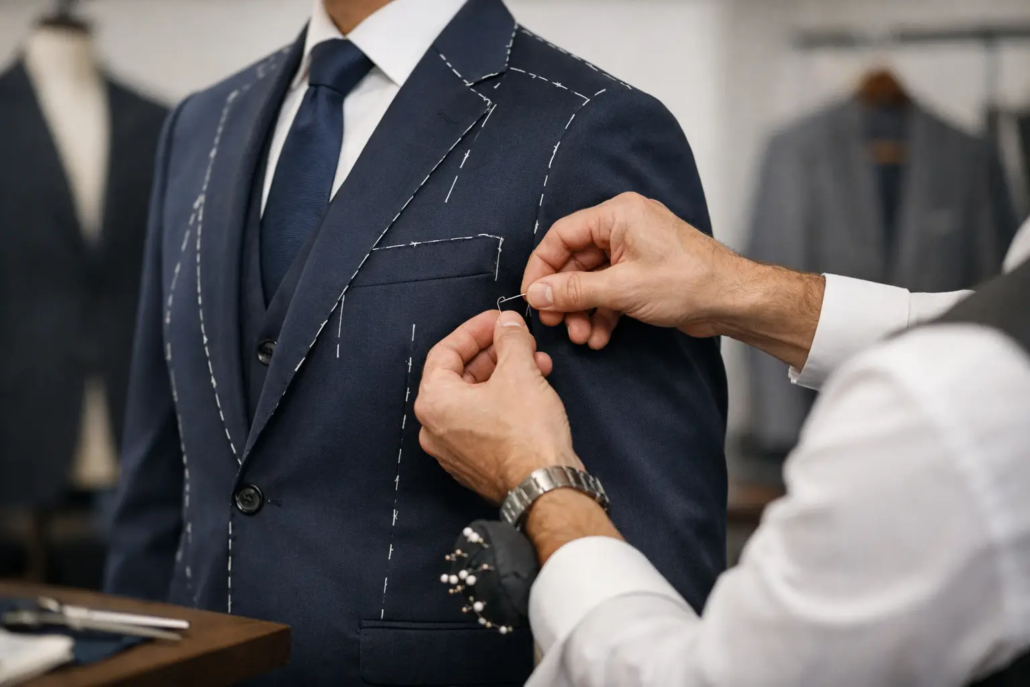
A Practical Guide to Suit Alterations
A suit can be expensive, well made, and the right color for every occasion – and still look off if the fit is wrong. That is why a good guide to suit alterations matters. Small changes in the jacket, sleeves, or pants can take a suit from acceptable to sharp, which is exactly what most people want when they are dressing for work, weddings, interviews, and formal events.
The good news is that many fit problems are fixable. The less exciting truth is that not every suit should be altered the same way, and not every change is worth the cost. A smart approach starts with knowing what tailors can improve, what depends on the suit’s construction, and what you should bring up before any pins go in.
What a guide to suit alterations should help you decide
Most customers are not trying to create a custom suit from scratch. They are trying to make an off-the-rack suit look cleaner through the shoulders, neater at the sleeve, and better balanced at the leg. In real life, that usually means correcting the areas people notice first: jacket length, sleeve length, waist suppression, trouser hem, and seat or waist adjustments.
The biggest factor is starting fit. Alterations work best when a suit is close already. If the shoulders are much too wide, the jacket collapses around the chest, or the rise of the trousers feels completely wrong, tailoring may become more complex than it is practical. On the other hand, if the suit fits reasonably well in the frame and just needs refinement, alterations can make a major difference.
A tailor’s job is not only to make something tighter. Sometimes the best result comes from restoring balance. A jacket may need to be shaped slightly at the waist but left comfortable in the chest. Pants may need a cleaner hem and a small waist adjustment without becoming too narrow through the thigh. Good alterations improve proportion, not just snugness.
The most common suit alterations
Jacket sleeve length
This is one of the most common and worthwhile suit alterations. Sleeve length affects how polished a jacket looks right away. In general, you want the jacket sleeve to show a small amount of shirt cuff, but the exact amount depends on your shirt fit, arm posture, and personal preference.
Shortening or lengthening sleeves is often straightforward, but it depends on how the buttons and buttonholes are finished at the cuff. Functional buttonholes can limit how much can be changed from the sleeve end. In those cases, the tailor may need to adjust from the shoulder, which is more involved. That does not mean it cannot be done, only that the method matters.
Jacket waist suppression
If a suit jacket feels boxy, taking it in at the waist can create a cleaner line. This is a common alteration for off-the-rack suits because many are cut to fit a broad range of body types. A little shaping often helps the jacket look more intentional without making it feel tight.
There is a trade-off here. A sharply suppressed waist may look great standing still, but if you commute, sit at a desk, or wear your suit all day, comfort still matters. The best result usually leaves enough room to move while removing the extra fullness that causes bunching.
Trouser hemming
Trouser length changes the whole look of a suit. Pants that puddle over the shoe look sloppy. Pants that are too short can look accidental unless the style is very specific. Most people do best with a hem that gives a clean break or slight break, depending on shoe style and how traditional they want the suit to look.
This is also where daily use comes into play. If you wear the same suit with both dress shoes and a slightly chunkier loafer, tell your tailor. The right hem can depend on the shoes you actually wear, not just the pants on their own.
Taking in or letting out the trouser waist
A small waist adjustment can make a suit much more wearable, especially if your size shifts over time or the trousers fit everywhere except the waistband. Many dress trousers have enough seam allowance to let out slightly, and taking in is usually manageable as well.
The amount available depends on the garment. Some pants offer flexibility. Others do not. This is one reason it helps to have a professional look at the inside construction before promising a perfect outcome.
Seat, taper, and leg adjustments
If trousers pull across the seat, balloon at the thigh, or look too wide below the knee, tailoring can often improve the line. Tapering can modernize a suit, but this is one area where restraint pays off. Going too slim may date the suit quickly and reduce comfort.
For customers who wear suits to work, travel in them, or need them for long events, a moderate taper usually ages better than an aggressive one. It keeps the suit current without making movement a chore.
Alterations that are possible, but more complex
Shoulder adjustments
Shoulders are one of the hardest and most expensive areas to alter well. Because the shoulder affects the drape of the entire jacket, even a technically possible change may not be the most sensible investment. If the shoulders are only slightly off, other adjustments may help the jacket sit better overall. If they are significantly too wide or too narrow, replacing the suit may be more practical.
Jacket length
Shortening a jacket can sometimes be done, but the amount is limited. Pocket placement, button stance, and overall balance all come into play. A jacket that is shortened too much can look visually wrong even if the sewing itself is done neatly.
Lengthening is usually even more restricted because there may not be enough fabric allowance. This is a good example of why experienced guidance matters. The question is not just whether a change can be made, but whether it will still look right afterward.
How to know if your suit needs alterations
You do not need fashion training to spot a fit issue. If the collar gaps away from your neck, the sleeves hide your hands, the pants collapse at the ankle, or the waist pulls when buttoned, the suit is telling you something. Sometimes the issue is size. Often it is just finishing.
Try the suit on with the shirt and shoes you plan to wear most often. Stand naturally. Sit down. Button the jacket. Walk a few steps. Practical movement tells you more than a dressing room pose. If the suit only looks right when you stand perfectly straight and do not move, it probably needs adjustment.
Photos also help. A mirror can miss proportion problems that show up immediately in a front and side view. Many people notice sleeve length, jacket flare, or trouser break more clearly in a quick photo than in person.
What to bring to a fitting
Wear or bring the dress shirt, belt, and shoes you expect to use with the suit. If it is for a wedding, job interview, or other specific event, mention that. A suit for everyday office wear may be altered differently than a suit for a black-tie wedding or a one-time formal occasion.
It also helps to say how you like your clothing to feel. Some customers want a trim, modern silhouette. Others prioritize ease through the seat, thigh, or shoulders because they spend long hours in the suit. There is no single correct answer. The best fit is the one that looks polished and works for your day.
Timing, expectations, and why cleaning matters first
If a suit needs both cleaning and alterations, handling both through one trusted provider can simplify the process and improve the result. A properly cleaned and pressed suit gives the tailor a better view of the garment’s true shape. Stains, wrinkles, and old crease lines can hide fit issues or distort them.
Timing matters too. If you have an event coming up, do not wait until the last minute. Even simple alterations need proper fitting and finishing time. More detailed work may require additional adjustments after the first fitting. Rushing increases the chance of settling for good enough when you really want the suit to feel ready.
For busy professionals and families, convenience is often part of the decision. Having tailoring, pressing, and garment care handled together saves back-and-forth and helps keep the suit in rotation instead of forgotten in a closet. That is one reason local customers often prefer working with a neighborhood cleaner and tailor that can manage the full process in one place.
A final word on getting the best result
The best suit alterations do not call attention to themselves. They simply make the suit look like it belongs on you. If a suit is close in the shoulders and chest, most of the rest can often be refined into something noticeably better. Start early, be honest about comfort, and let the fit match the way you actually live in the suit, not just the way it looks on the hanger.

