
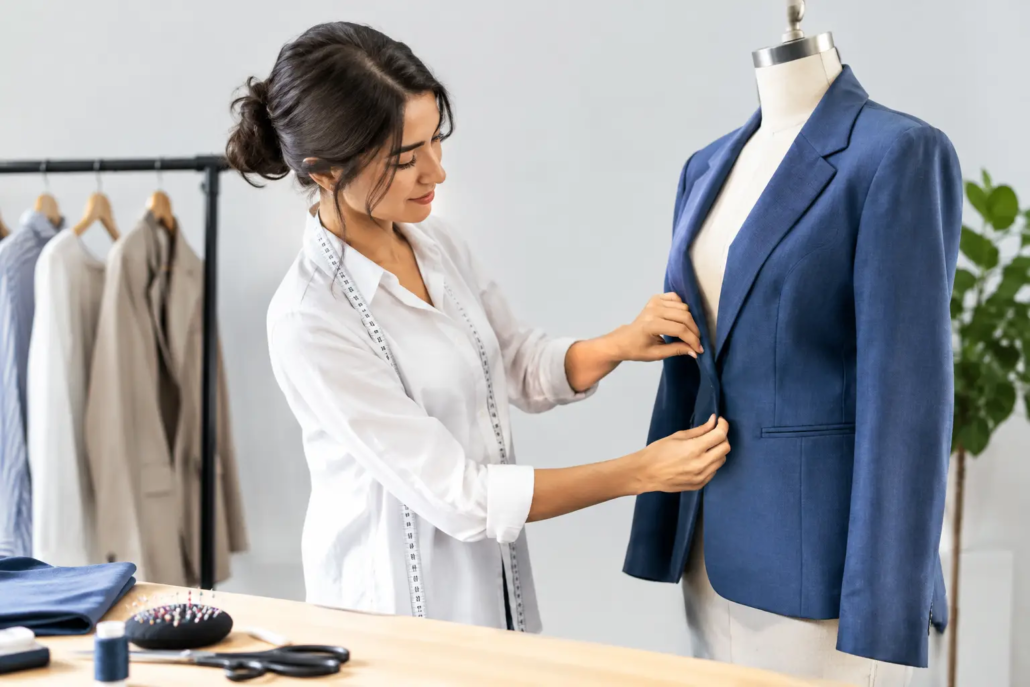
Best Alterations for Better Fit in Every Closet
A jacket can be the right size on the label and still pull across the back. A pair of pants can fit your waist but break awkwardly over your shoes. These are the everyday problems that make a good garment sit unworn in the closet. The best alterations for better fit address those small but noticeable issues, helping your clothes look intentional, feel comfortable, and work harder for your routine.
For working professionals, busy parents, students, and anyone preparing for an event, tailoring is not only for formalwear. A well-placed hem, a refined waist, or a corrected sleeve length can change how you feel in clothing you already own. The key is knowing which alterations provide real value and which changes may not be worth making.
Best Alterations for Better Fit Start With Proportion
The goal of a good alteration is not to make every garment skin-tight or perfectly uniform. It is to improve proportion while preserving the garment’s original design. A tailor considers the fabric, seam allowances, lining, pockets, closures, and how you move while wearing the piece.
That is why trying on an item matters. Wear the shoes you normally pair with pants, stand naturally, sit down, raise your arms, and move around. A garment that looks fine in a fitting room for thirty seconds may feel restrictive during a commute, a workday, or a family celebration.
Before any work begins, point out what bothers you most. Is the sleeve covering your hand? Does the dress gap at the armhole? Are the pants dragging at the heel? Clear priorities help the tailor recommend the most useful correction rather than making unnecessary changes.
Hemming Pants, Jeans, Skirts, and Dresses
Hemming is one of the most practical alterations because length affects both appearance and function. Pants that are too long can bunch at the ankle, wear out at the hem, or get caught under your shoes. Pants that are too short can look accidental unless the style is designed for an ankle-length finish.
Dress pants often need a length chosen around the shoes you wear most. A fuller break may suit some traditional trousers, while a cleaner, slight break can give modern work pants a neater line. Jeans need similar attention. If you want to keep the original distressed or finished hem, ask whether a hem-preserving method is appropriate.
Skirts and dresses benefit from a hem that suits both the garment and the occasion. A simple straight hem is usually straightforward. A lined dress, a garment with lace, a curved hem, pleats, beadwork, or several layers requires more detailed work. For wedding dresses and evening gowns, bring the shoes and undergarments you plan to wear. Even a small difference in heel height can change the proper length.
Taking In the Waist and Refining the Seat
Many people buy clothing that fits their shoulders, hips, or thighs, then find the waist is too loose. Taking in a waistband can make pants, skirts, and certain dresses feel more secure and look more polished without changing the garment’s overall character.
For trousers, a waist adjustment is often paired with refining the seat or tapering the leg. This can be especially helpful when pants fit comfortably through the thigh but look overly full below the knee. The best result retains enough room to sit, walk, and move freely. Chasing an overly narrow fit can strain seams and make a favorite pair of pants less comfortable than before.
A dress or blouse can also be shaped through side seams or darts. When done well, the fabric follows the body more naturally without pulling at the buttons or armholes. The trade-off is that garments with heavy embellishment, pockets, complicated prints, or limited seam allowance may have fewer options. A professional assessment can prevent costly work on an item that cannot be altered cleanly.
Sleeve Length Makes Jackets Look Custom
Sleeves are one of the first details people notice on a blazer, suit jacket, sport coat, or dress shirt. A jacket sleeve that extends too far over the hand can make an otherwise sharp outfit look borrowed. A sleeve that is too short can disrupt the balance of the entire jacket.
Shortening sleeves from the cuff is generally the simpler approach, but details matter. Functional buttonholes, cuff vents, decorative buttons, lining, and trim can affect how the work is performed. In some cases, altering from the shoulder may be considered, but this is more complex and not always the best investment.
Shirt sleeves can also be shortened for a cleaner fit, especially for people with shorter arms or those who prefer a more tailored look under a jacket. When trying on a shirt, pay attention to both sleeve length and cuff circumference. A cuff that is too loose may slide down even if the sleeve itself is the right length.
Improve Shirt and Blouse Fit Without Losing Comfort
A well-fitting shirt should allow you to reach, sit, and breathe without excess fabric billowing at the sides. Taking in the side seams can give a dress shirt, uniform shirt, or blouse a more finished shape. It is a useful option when the neck, shoulders, and armholes already fit properly.
Shoulders are different. If shoulder seams sit far beyond your natural shoulder point, the garment may be too large through the upper body. Shoulder alterations are possible in some cases, but they are more involved than waist or side-seam adjustments. On an inexpensive shirt, replacement may make more sense. On a favorite blouse, a quality uniform, or a well-made jacket, a consultation can be worthwhile.
Button gaps at the bust are another common concern. Depending on the garment, a tailor may adjust the side seams, reposition buttons, or add discreet closures. The right solution depends on the fabric and the amount of room available. It should also let you move comfortably, not simply lie flat while standing still.
Jacket and Blazer Alterations Worth Considering
A blazer often has more alteration potential than people realize. Taking in the body, shortening sleeves, adjusting the center seam, or improving the fit through the waist can make a business jacket feel far more personal. These changes are especially worthwhile when the shoulders fit well, because shoulder fit is the foundation of a tailored jacket.
Lined jackets require careful handling so the exterior and interior hang smoothly together. Pockets, lapels, vents, and patterned fabric add complexity. A skilled tailor will explain what can be done and where the garment’s construction sets limits.
For suits, bring the pants and jacket together for the fitting whenever possible. A balanced suit is about the whole silhouette, not just one piece. The jacket length, trouser break, sleeve exposure, and waist placement should look coordinated.
Repairs That Also Improve Fit
Sometimes the best fit correction is a repair. Replacing a worn hook, securing a loose button, repairing a split seam, or fixing a broken zipper can restore how a garment closes and sits on the body. Elastic replacement can make waistbands in casual pants, skirts, and children’s clothing functional again.
These details are easy to postpone, but they affect whether clothing is ready when you need it. A uniform with a loose hem or a dress with a failing zipper can become a last-minute problem before work, school, church, or an event. Addressing small repairs early keeps your wardrobe dependable.
When Alterations May Not Be the Right Choice
Not every garment is a good candidate. Fabric that is badly worn, stretched out, faded, or damaged in several places may not hold an alteration well. Extremely small or extremely large size changes can reshape the garment enough to affect its proportions, pockets, and balance.
Cost matters, too. Hemming a quality pair of trousers or refining a classic blazer often extends the value of an item you will wear repeatedly. Major reconstruction on a low-cost garment may not make practical sense. The best approach is honest: invest in pieces you love, wear often, or need for an important occasion.
For delicate fabrics, formalwear, structured jackets, and clothing with sentimental value, professional care is particularly helpful. Cleaning and alterations also work well together. Having an item professionally cleaned before fitting can reveal its true shape and ensure it is returned ready to wear.
A few thoughtful adjustments can make getting dressed easier every morning. Whether you need everyday pants hemmed, a work jacket refined, or a special-occasion outfit prepared, Joe’s Organic Dry Cleaning & Tailoring can help keep the clothes you rely on looking comfortable, polished, and ready for what is next.
