
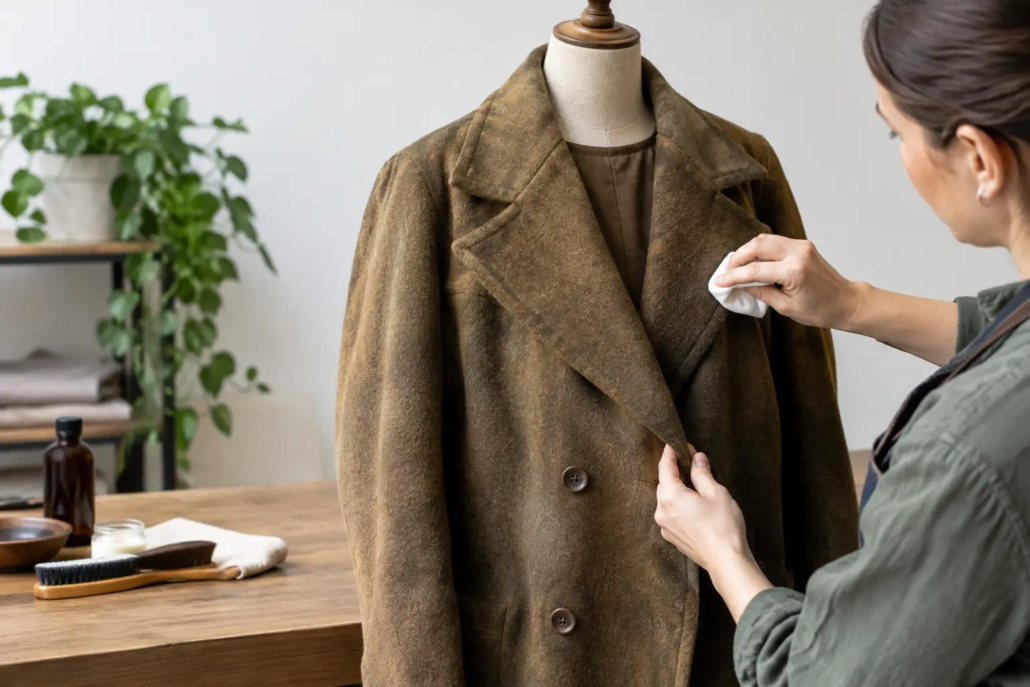
Vintage Coat Restoration That Preserves Its Character
A vintage coat can be one of the most useful pieces in a closet – and one of the easiest to put off wearing. Maybe it belonged to a parent or grandparent. Maybe you found it at an estate sale and loved the cut, the wool, or the unmistakable quality of its construction. Vintage coat restoration can make that garment ready for regular life again without stripping away the details that made you keep it.
The goal is not to make an older coat look brand new. It is to clean it safely, correct damage where it makes sense, improve the fit if needed, and preserve its original character. A good restoration plan depends on the fabric, lining, trim, age, and condition of the coat. Some pieces need only careful cleaning and pressing. Others need patient repair work before they can be worn with confidence.
Start With the Coat’s Condition, Not the Stain
It is tempting to focus on the visible problem: a coffee spot on a lapel, a yellowed collar, or a musty smell from storage. Before any cleaning begins, though, the coat should be checked as a whole. Older garments may have weakened fibers, brittle linings, loose seams, fading, old repairs, or embellishments that cannot tolerate standard cleaning methods.
Wool, cashmere, camel hair, silk, fur trim, leather details, velvet, and early synthetic fabrics all behave differently. Even two coats labeled as wool can require different care based on their weave, dyes, interfacing, and construction. A heavy 1960s wool swing coat may clean beautifully, while a lighter garment with a fragile acetate lining may require a more conservative approach.
A professional inspection also helps identify issues that are easy to miss at home. Tiny moth holes can become larger during wear. A loose button can pull against weakened fabric. A lining that feels thin near the armholes may be close to tearing. Addressing these concerns early usually gives the coat a better chance of staying wearable.
What Professional Vintage Coat Restoration Can Address
Restoration is often a combination of garment cleaning, pressing, and tailoring. Not every repair is appropriate for every coat, but several common problems can be improved substantially.
Cleaning Away Storage Odors and Surface Soil
Coats that have spent years in an attic, closet, or cedar chest often collect dust, body oils, fragrance residue, and odors. Professional cleaning can refresh the garment while respecting the needs of delicate materials. For structured wool and tailored outerwear, the cleaning process must protect the coat’s shape, lapels, collar, and internal support materials.
Eco-conscious dry cleaning methods can be a good option for many vintage coats, particularly when water could cause shrinkage, distortion, dye movement, or loss of structure. In other cases, professional wet cleaning may be suitable for washable fibers and certain stains. The right choice depends on the garment rather than a one-method-fits-all rule.
Some stains may be permanent, especially if they have oxidized or were treated unsuccessfully years ago. A careful cleaner can assess what is realistic and avoid aggressive treatment that creates a larger faded area or damages the fabric. For a sentimental coat, preserving the material is often more valuable than chasing a perfect result.
Repairing Seams, Buttons, and Small Holes
A split seam, missing button, loose hem, or torn pocket lining can keep an otherwise beautiful coat in the closet. These repairs are often straightforward, but matching the original workmanship matters. Buttons should be secured in a way that supports the fabric. Seam repairs should relieve stress rather than simply pull the damaged area tightly together.
Small moth holes may be repairable through careful reweaving or darning, depending on the fabric and location. Repairs on a dark, textured wool may blend in well, while smooth fabric or a hole on the front of a light-colored coat may remain noticeable. An honest assessment is useful here: a visible but stable repair can still be the right choice if it allows a meaningful garment to be worn again.
Replacing or Repairing a Worn Lining
Lining damage is common in vintage outerwear. The outer fabric may be in excellent shape while the sleeve lining is shredded, the hem is pulling loose, or the entire interior has become thin and brittle. Replacing a lining can extend the useful life of a coat significantly.
This is more involved than sewing a patch over a tear. The lining needs to be removed and rebuilt around the coat’s structure so the sleeves move comfortably and the garment hangs correctly. A replacement lining may not be identical to the original, but it can be selected to complement the coat and make it practical for current use.
Updating the Fit Without Losing the Period Look
Fit is often the difference between a coat that stays stored and one that becomes a favorite. Vintage sizing can run smaller than current sizing, shoulder shapes may be more pronounced, and sleeve lengths may not suit the wearer. Thoughtful tailoring can improve comfort while keeping the silhouette that makes the coat special.
Some alterations are more forgiving than others. Shortening sleeves, adjusting a hem, securing shoulder pads, or refining a side seam may be possible. Letting out a coat is more limited because it depends on whether enough seam allowance was built into the original garment. Major changes to shoulders, armholes, or a heavily structured bodice can be expensive and may change the coat’s intended shape.
Before altering a vintage coat, try it on over the clothing you expect to wear underneath. A coat that fits over a thin blouse may feel restrictive over a sweater or suit jacket. Bring the right shoes, layers, and any belt that belongs with the garment so the fitting reflects real use.
When a Coat Should Be Preserved Rather Than Restored
Not every vintage coat should be returned to regular service. A garment with shattered silk, extensive dry rot, crumbling leather, severe mildew damage, or fabric that tears under gentle pressure may be too fragile for restoration. Cleaning can sometimes worsen weak fibers simply because the coat must be handled and moved through the process.
There is also a sentimental consideration. If a coat is a family heirloom with rare details, extensive alterations may reduce its historical value even if they improve wearability. In that case, light cleaning, stabilization of loose elements, and proper storage may be the better path.
A practical middle ground is to restore the coat enough for occasional wear. It may not become an everyday winter coat, but it can still be enjoyed for family photos, a holiday event, or a special dinner. Wearability does not have to mean heavy use.
How to Prepare a Vintage Coat for Evaluation
Avoid home stain removers, steam treatments, and washing experiments before the coat is examined. Older dyes can react unpredictably, and heat may set a stain or damage adhesive-backed components. If there is an old paper label, care tag, spare button, or note about the garment’s history, keep it with the coat. Those details can help with decisions about materials and repairs.
Bring attention to the areas that concern you most, whether that is an odor, lining tear, missing belt, discoloration, or fit issue. It also helps to share how you plan to use the coat. The best recommendation for an heirloom piece is not always the same as the recommendation for a coat you want to wear to work twice a week.
For Westbury and nearby Long Island households, Joe’s Organic Dry Cleaning & Tailoring can coordinate professional garment care and in-house alterations in one place, including pickup and delivery for added convenience. That makes it easier to address cleaning and fit together rather than sending a treasured coat from one service to another.
Store the Restored Coat for Its Next Chapter
Once restored, a vintage coat deserves better than a crowded closet or a plastic dry-cleaning bag. Store it on a sturdy, appropriately sized hanger that supports the shoulders. Use a breathable garment bag, keep it away from direct sunlight, and avoid damp basements or hot attics where moisture and temperature changes can weaken fibers.
Check the coat at the end of each season before putting it away. Cleaning away body oils and food residue helps deter pests, while a quick inspection can catch loose buttons, small holes, and lining wear before they become major repairs. If you wear the coat regularly, give it space between uses to air out and recover its shape.
A vintage coat has already lasted through decades of changing weather, wardrobes, and owners. With careful cleaning, sensible repairs, and a fit that works for your life now, it can be more than something you admire on a hanger. It can be the coat you reach for when you want to look put together and wear a little history with confidence.
