
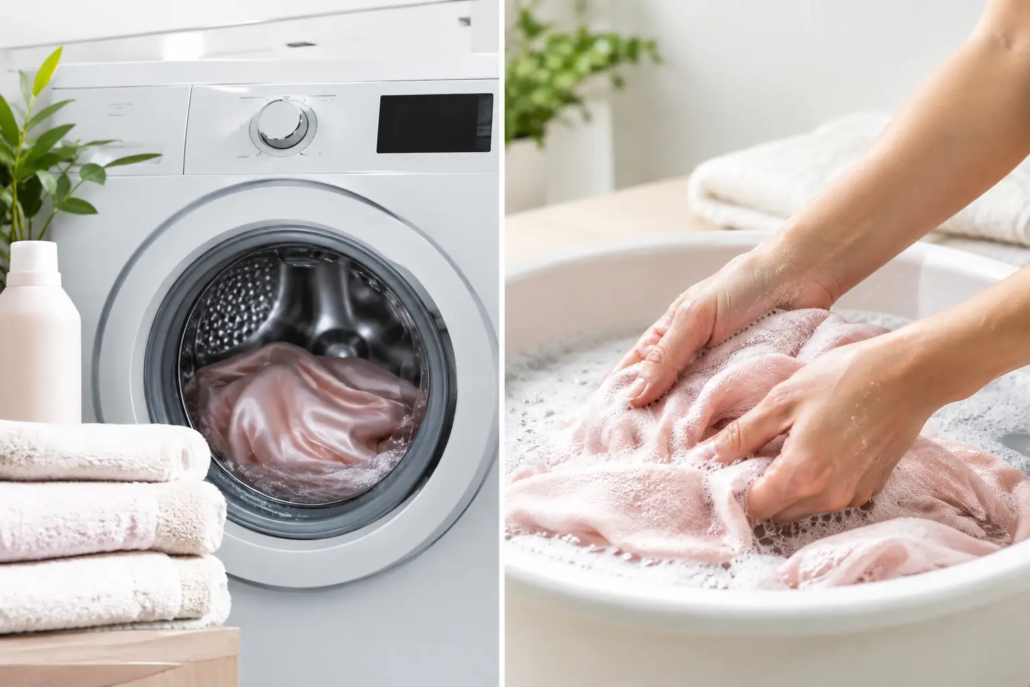
Wet Cleaning Versus Hand Washing for Delicates
A silk blouse that comes out of the sink with water spots, a sweater that dries two sizes smaller, or a jacket that loses its shape can turn a simple laundry task into an expensive mistake. When comparing wet cleaning versus hand washing, the real question is not which method uses water. It is which method gives a particular garment the controlled care it needs.
Hand washing has a place in home garment care. It can be gentle, practical, and effective for the right items. Professional wet cleaning also uses water, but it is a carefully managed process designed to clean delicate fabrics while protecting color, texture, shape, and finish. Knowing the difference can help you decide what belongs in the laundry room and what is better handled by a garment-care professional.
What Professional Wet Cleaning Actually Means
Professional wet cleaning is not simply putting a delicate item in a washing machine. It is a fabric-specific cleaning method that uses water, specialized detergents, controlled mechanical action, and precise drying and finishing techniques.
Before cleaning begins, a professional examines the garment’s fabric, construction, stains, trim, lining, and care label. A structured blazer, for example, needs a very different approach than a washable knit top. Cleaning settings can be adjusted to limit agitation, control water temperature, and reduce the stress placed on fibers.
The drying stage matters just as much as the wash. Heat, moisture level, and drying time affect whether wool shrinks, silk loses its smooth feel, or a tailored garment becomes misshapen. Professional finishing then restores the garment’s intended appearance through pressing, steaming, reshaping, or hand finishing.
Wet cleaning is often a good option for garments made with wool, silk, rayon, cotton blends, washable formalwear, and other items that need more attention than a standard home wash can provide. It can also be an eco-conscious choice, using water-based processes and biodegradable cleaning agents when appropriate.
Where Hand Washing Works Well
Hand washing is useful when a garment is clearly labeled washable and does not have a lot of structure. Lightweight washable knits, certain cotton blouses, simple lingerie, athletic wear, and some everyday delicate items may do well with cool water and a mild detergent.
The key word is gentle. Soaking a garment briefly, moving it lightly through the water, rinsing thoroughly, and pressing out excess water without twisting can reduce the chance of damage. A clean towel can help absorb moisture before flat drying a sweater or other knit item.
Hand washing is especially reasonable for an item you wear often, understand well, and can afford to replace if it does not respond perfectly. It is less ideal for garments that are expensive, sentimental, professionally tailored, heavily stained, or needed for an important event.
A care label that says “hand wash” does not always mean the garment will be easy to hand wash. It only means water may be suitable under the right conditions. Dye transfer, shrinkage, stretched seams, lost texture, and water marks can still happen at home.
Wet Cleaning Versus Hand Washing: The Main Differences
The biggest difference between wet cleaning and hand washing is control. At home, you control the process with your best judgment, but you may not know how a particular fiber, dye, interfacing, or trim will react. In professional wet cleaning, the process is selected and monitored based on the item itself.
Agitation and Fabric Stress
Hand washing feels gentle because there is no spinning drum, but it can still create stress. Rubbing a stain, pulling a wet garment from the sink, or wringing water from a knit can distort fibers and seams. Wet fabric is often heavier and more vulnerable than dry fabric.
Professional wet cleaning limits mechanical action according to the garment’s needs. That is particularly helpful for fine knits, embellished pieces, pleated items, and garments with delicate linings or shaping.
Stain Removal
Hand washing may remove light perspiration or everyday soil, but it is not always effective against makeup, body oils, food, coffee, wine, or set-in stains. Worse, the wrong spot treatment can leave a faded area, spread the stain, or damage the fabric finish.
Professional cleaners evaluate the stain and fabric together. Some stains respond best to water-based treatment, while others require a different method. The goal is to remove as much soil as possible without creating a second problem in the process.
Drying and Shape Retention
Many home-care problems happen after washing. A garment may look fine when wet, then shrink, develop puckered seams, or dry with a stiff texture. Hanging a heavy sweater can stretch the shoulders. Drying an item near direct heat can affect color and fiber strength.
Professional wet cleaning uses controlled drying and appropriate finishing to help garments keep their original shape. This is one reason it is often the safer choice for tailored clothing, dresses, skirts with pleats, wool garments, and pieces with a polished finish.
Time and Results
Hand washing may seem like the less expensive choice, but it takes time. You need to wash, rinse, press out water, dry properly, and often steam or iron the item afterward. For busy households, that can mean delicate clothing sits damp for a day or more before it is ready to wear.
Professional wet cleaning is designed to return clothing clean, shaped, pressed, and ready for the week ahead. That convenience matters when you are managing work clothes, family schedules, uniforms, church attire, or an upcoming occasion.
When You Should Avoid Hand Washing
Some garments are simply poor candidates for home hand washing, even if water seems harmless. Tailored suits, blazers, lined dresses, formalwear, wedding garments, beaded items, leather-trimmed clothing, and pieces with glued or fused components can change significantly when wet.
Be cautious with dark or brightly colored garments as well. Color bleeding can be difficult or impossible to reverse. Items with multiple fabrics may react unevenly, leaving one section shrunk or distorted while another remains unchanged.
Curtains, comforters, and large household textiles present another challenge. Their size makes even washing, rinsing, drying, and reshaping difficult at home. A bulky item that stays damp too long can develop odor or lose its loft and finish.
If a garment is marked “dry clean only,” it is wise to treat that as a meaningful warning rather than a suggestion. The label may reflect the garment’s construction as much as its fiber content. A professional can determine whether organic dry cleaning, wet cleaning, or another specialized approach is the better choice.
A Practical Way to Choose
For a simple, washable item with no special structure, hand washing can be a sensible part of your routine. Use cool water, a mild detergent, minimal handling, and appropriate drying. Do not assume that more soaking, scrubbing, or heat will produce a better result.
For garments that are costly, fitted, sentimental, stain-prone, or difficult to replace, professional care is usually the safer investment. The same applies when the garment needs to look polished rather than merely clean. A business shirt, blazer, dress, or uniform often benefits from proper finishing as much as from the cleaning itself.
Joe’s Organic Dry Cleaning & Tailoring can help take the guesswork out of items that need extra attention, especially when cleaning, pressing, and fit correction all matter. Professional evaluation is useful when you are unsure whether a garment can be safely washed or need a different method.
The best choice is the one that protects both the garment and your time. Save hand washing for the pieces you know can handle it, and give special clothing the level of care that keeps it looking ready for the moments you bought it for.
