
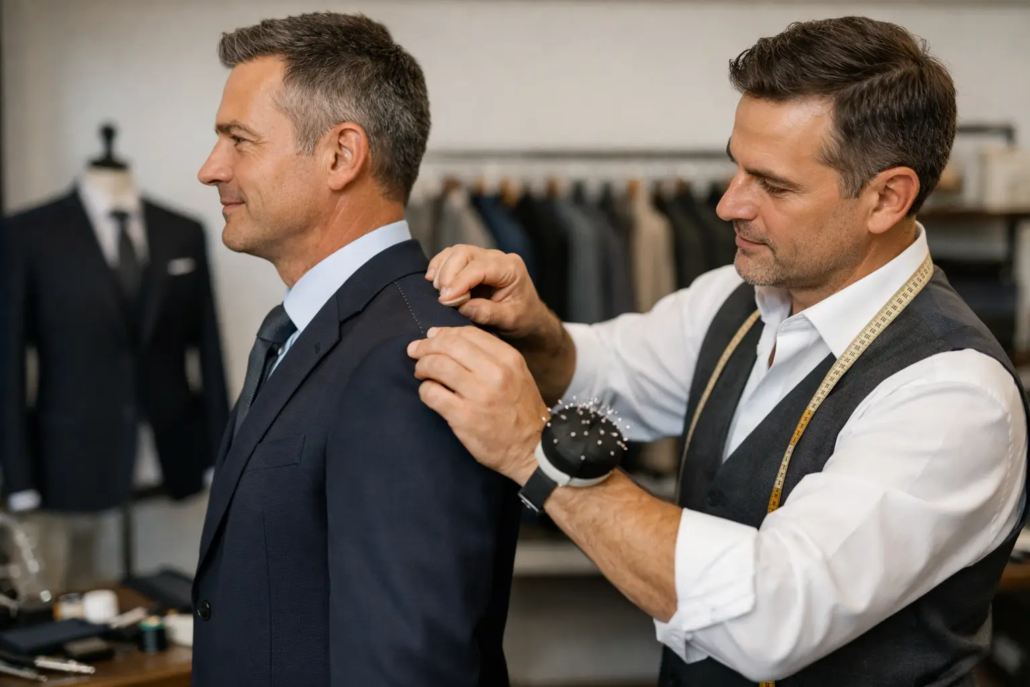
Mineola Tailoring Service for a Better Everyday Fit
A jacket can be the right size on the label and still feel wrong every time you wear it. Sleeves may cover too much of your shirt cuff, trousers may break heavily over your shoes, or a dress may pull where it should lie smoothly. A professional Mineola tailoring service helps correct those everyday fit problems, so the clothing already in your closet looks intentional, feels more comfortable, and is ready when you need it.
For busy professionals, families, and commuters, tailoring is not only for formal events. It is practical wardrobe maintenance. A clean hem, a secure button, or a refined waist can make a reliable garment easier to wear again and again.
What a Mineola Tailoring Service Can Improve
The most useful alterations are often the ones people notice only after they are done. Pants that no longer drag on wet sidewalks, sleeves that sit at the right point on the wrist, and a skirt that does not shift while walking can change how you feel in an outfit without changing its character.
Common requests include hemming pants, jeans, skirts, and dresses; shortening or adjusting sleeves; taking in or letting out waistbands; replacing buttons, hooks, and zippers; repairing seams; and adjusting jackets, blazers, and suits. These services can extend the life of well-made clothing that may otherwise stay unworn because it is slightly too loose, too long, or damaged in one frustrating spot.
Tailoring also helps when a garment has personal value. A graduation dress, church outfit, uniform, inherited coat, or favorite pair of trousers may not need replacing. It may simply need careful attention from someone who understands how the fabric, lining, and construction work together.
Fit Is About More Than Measurements
A good alteration begins with how a garment moves, not just where a tape measure lands. Someone may need a trouser hem adjusted for the shoes they wear most often. A blazer may need sleeve work while preserving the look of the cuff. A dress may need changes that account for the shoes, undergarments, or shapewear planned for an event.
That is why it helps to bring the clothing in with its intended use in mind. If you are having formalwear altered, bring the shoes you expect to wear. If a dress will be worn for a wedding or party, mention the event date early. If a uniform is part of a weekly work routine, explain how often it is washed and how freely you need to move in it.
There are trade-offs. Taking in a simple side seam is generally more straightforward than reshaping a fully lined suit jacket. Letting out clothing depends on whether there is enough seam allowance inside the garment. Shortening a sleeve can be possible, but details such as buttonholes, vents, cuffs, lace, or decorative trim may affect the process. A professional assessment helps set clear expectations before any work begins.
Alterations That Matter for Workwear
Office clothing gets a lot of use, which makes fit and maintenance closely connected. Dress shirts can need button replacement, cuff repairs, or sleeve adjustments. Trousers may need hems or waist refinement after a change in shoes, weight, or personal preference. Blazers and suits benefit from a balanced fit through the sleeves, waist, and trouser length.
Small corrections are especially worthwhile for garments you wear weekly. When a suit fits cleanly and shirts are professionally cleaned and pressed, getting ready for work requires less second-guessing. Your wardrobe becomes easier to rely on during early mornings, client meetings, interviews, and business travel.
Special-Occasion Clothing Needs Extra Care
Wedding dresses, bridesmaid dresses, gowns, tuxedos, and formal suits deserve more planning than ordinary clothing. These garments may include delicate fabrics, beadwork, multiple layers, boning, or structured linings. The right approach depends on construction, not just the visible fabric.
Schedule alterations with enough time for fittings and any finishing work that may be needed. Avoid waiting until the final week if the garment has several layers or detailed features. If it also needs cleaning before or after the event, coordinating both services with one garment care provider can reduce handling and help keep the process organized.
When Repair Is Better Than Replacement
A broken zipper or loose seam does not always mean a garment is finished. Repair can be the sensible choice when the item fits well, is made from quality fabric, or would be difficult to replace. This is often true for winter coats, work uniforms, children’s formal clothing, lined dresses, and favorite jeans.
Still, not every repair makes financial sense. Fabric that is badly weakened, stained beyond recovery, or torn across a highly visible area may not return to a result you will be happy wearing. An honest garment review is valuable because it helps you decide whether to repair, alter, clean, or replace an item before spending money on work that may not serve you well.
Pair Tailoring With Professional Garment Care
Alterations work best when clothing is cared for properly between wears. Dirt, body oils, and repeated pressing can affect fabric over time, especially on suits, silk garments, formalwear, and structured jackets. Cleaning before an alteration can also help reveal the garment’s true condition, particularly when stains or marks may influence whether repair is worthwhile.
At Joe’s Organic Dry Cleaning & Tailoring, cleaning, pressing, repairs, and fit adjustments can be handled in one place. Organic K4 dry cleaning and professional wet cleaning offer fabric-conscious options for garments that need more care than a home washer and dryer can provide. That matters when an item has a delicate finish, a tailored shape, or a special place in your wardrobe.
For many customers, the convenience is just as helpful as the workmanship. Instead of making separate stops for dry cleaning, a missing button, and a pant hem, you can address several clothing needs together. It is a practical way to keep everyday pieces and event clothing ready to wear.
Plan Around Your Schedule, Not the Other Way Around
Tailoring is easier to keep up with when it fits into your normal routine. Mineola pickup and delivery is available on Mondays and Thursdays, making it easier to send out clothing that needs cleaning, pressing, alterations, or repair without adding another errand to the week.
Before sending items out, take a moment to check pockets, identify the work you need, and point out areas that concern you. A quick note such as “shorten these pants for flats” or “replace the zipper if possible” can help start the conversation. For garments requiring a precise fit, an in-person fitting may still be the best next step.
It also pays to think ahead by season. Bring in coats before cold weather, repair school or work uniforms before they become urgent, and schedule formalwear well before a major celebration. Clothing care is much less stressful when it is planned before the morning you need the garment.
A Better Fit Makes More of Your Closet Usable
Tailoring should make your wardrobe work harder for you, not turn every item into a complicated project. Start with the pieces you already reach for: the suit that is almost right, the dress you love but rarely wear, the trousers that need a cleaner hem, or the coat with a damaged lining. A thoughtful adjustment can turn an overlooked item into one of the most dependable things you own.
The next time a garment feels close but not quite right, do not let it sit in the back of the closet. A careful fitting, repair, or professional finish may be all it needs to earn its place in your regular rotation.

