
East Meadow Alterations That Actually Fit
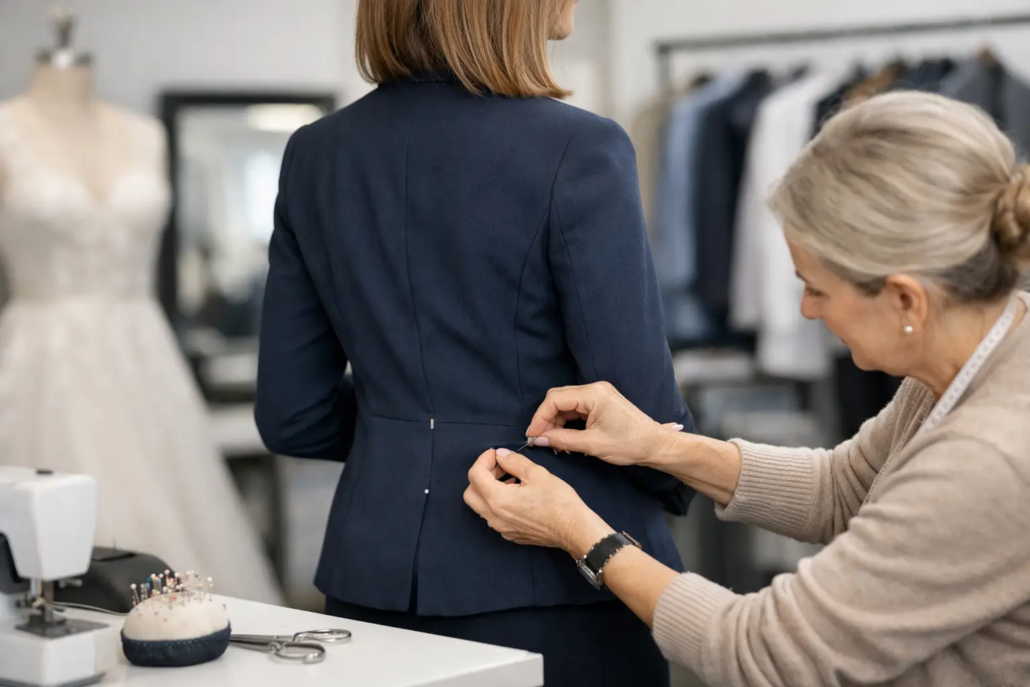
A jacket that bunches at the collar, dress pants that break too heavily at the shoe, a hem that always feels just a little off – these are small fit problems that change how a whole outfit looks and feels. That is why East Meadow alterations are not just about repairs. They are about making clothes work better for real life, whether you are getting ready for the office, a family event, school functions, or a weekend out.
Good alterations can make an average garment look tailored and help a quality garment live up to what you paid for. They can also save time and money. Instead of replacing clothing that is almost right, many people can improve the fit, shape, and comfort of what they already own. For busy households and working professionals, that matters.
Why East Meadow alterations matter more than people think
Most closets have a few pieces that are close, but not quite there. Maybe the sleeves are too long on a blazer. Maybe a dress fits well through the waist but not through the hem. Maybe a pair of uniform pants needs a cleaner break, or a button-down shirt pulls across the chest. These are common issues, and they are exactly the kind of problems alterations are meant to solve.
Fit changes how clothing wears throughout the day. A properly hemmed pant leg moves better when you walk. A tapered shirt looks neater under a jacket. A dress that is adjusted at the straps or side seams sits where it should instead of needing constant readjustment. The difference is visual, but it is also practical.
There is also the confidence factor. People notice when clothes fit well, even if they cannot explain why. A cleaner line through the shoulder, a hem that hits at the right point, or a waist taken in just enough can make an outfit look polished instead of unfinished.
The most common clothing changes people ask for
Some garments are naturally easier to alter than others, but many routine changes are straightforward when handled by an experienced tailor. Hemming is probably the most common request, especially for dress pants, uniforms, jeans, skirts, and gowns. Sleeve shortening is another frequent fix, particularly for suit jackets, blazers, coats, and dress shirts.
Waist adjustments come up often too. Pants and skirts can sometimes be taken in or let out, depending on the construction and available fabric. Shirts, dresses, and jackets may also be shaped through the side seams for a neater fit. Zipper replacement, seam repair, button replacement, and small structural fixes are equally valuable, even if they are less glamorous.
Formalwear brings its own set of needs. Bridesmaid dresses, cocktail dresses, tuxedo pants, and special occasion gowns often need multiple adjustments rather than one simple change. That is where timing matters. The earlier fittings happen, the more room there is to get the result right without rushing.
What can be altered well and what depends on the garment
This is where honest guidance matters. Not every garment can be changed in every way, and good tailoring starts with evaluating the limits of the piece. Simple hems, tapering, strap adjustments, and waist suppression are often very workable. More complex jobs, like changing shoulders, recutting heavily structured jackets, or resizing a garment by several full sizes, depend on how the item was made.
Fabric also affects the outcome. Natural fibers and well-constructed garments often allow for cleaner alterations than very stretchy, heavily embellished, or tightly fused pieces. Delicate fabrics need extra care. Lined garments, pleats, beadwork, and specialty finishes can all add complexity.
That does not mean those items cannot be altered. It just means the best approach may be different. Sometimes the right answer is a light adjustment that improves the garment noticeably without overworking it. Other times, a customer is better off knowing that a certain change may cost more than the item is worth. Reliable service includes that kind of practical advice.
East Meadow alterations for work, events, and everyday wear
Different wardrobes create different alteration needs. For office wear, the goal is usually clean, consistent fit. Dress shirts may need sleeve or body adjustments. Trousers may need hemming or waist changes. Suit jackets and blazers often benefit from sleeve refinement and better shaping through the torso.
For families, alterations are often about keeping life moving. School uniforms need hemming and repairs. Church clothes need quick fixes before a holiday or event. Pants tear at seams, zippers wear out, and favorite garments need maintenance to stay in rotation. These are practical services that help avoid last-minute stress.
Event clothing is a category of its own. Wedding guest dresses, mother-of-the-bride outfits, prom dresses, and tailored menswear usually need more attention because photos, comfort, and timing all matter. A gown that drags or a tuxedo sleeve that lands too low will show up immediately. For those garments, fit is not a detail. It is part of the whole presentation.
Why cleaning and alterations often belong together
Customers often think of tailoring and cleaning as separate errands, but they work well together. A garment may need to be cleaned before alterations so the fabric is in its true state and measurements are more reliable. In other cases, an item should be altered first and then professionally pressed so it looks finished and ready to wear.
This is especially useful for suits, dresses, formalwear, outerwear, and specialty garments that need careful handling from start to finish. When both services are handled under one roof, there is less room for mix-ups and less running around for the customer. That convenience matters if you are managing work clothes during the week or preparing for an event on a deadline.
For local households looking for East Meadow alterations, this all-in-one approach is often the easiest way to keep clothing in good condition while also improving fit. It turns garment care into one manageable task instead of several.
How to know when it is worth altering instead of replacing
The easiest pieces to justify altering are the ones you already wear often or plan to wear for an important purpose. If the fabric is in good condition, the garment is well made, and the fit problem is specific, alterations usually make sense. A quality pair of trousers that needs hemming is almost always worth fixing. So is a blazer that fits well in the shoulders but needs cleaner sleeves or a better shape through the body.
The decision gets less clear with fast-fashion items, heavily damaged garments, or pieces that need major restructuring. If a low-cost item requires multiple complex changes, replacement may be the better value. The same goes for garments that were a poor fit from the start in more than one key area.
A good tailor will not treat every piece the same. The smart question is not just Can this be altered. It is Should this be altered, and what result should you realistically expect.
Timing matters more than most people expect
Alterations are best handled before the need becomes urgent. That is true for everyday clothing and even more true for special occasion wear. Waiting until the week of an event limits options, especially if the garment needs more than one fitting or has delicate construction.
For routine wardrobe maintenance, a little planning helps you avoid the pileup. When work pants need hemming, shirt cuffs are fraying, or a dress has been sitting in the closet because the fit is off, taking care of those items early keeps your wardrobe usable. It also reduces the temptation to buy replacements for clothes you already like.
For customers balancing packed schedules, pickup and delivery can make that process much easier. Joe’s Organic Dry Cleaning & Tailoring serves East Meadow on Tuesday and Friday routes, which can be especially helpful for people who want alterations and garment care handled without adding another stop to the week.
What good service should feel like
People do not need a lecture on garment construction. They need clear recommendations, dependable timing, and a finished result that feels right when they put the item on. That means listening to how the garment is actually used. Workwear has different needs than formalwear. A commuter’s suit has different priorities than a wedding guest dress. A family managing school uniforms needs convenience just as much as quality.
The best alteration service is practical, careful, and honest about trade-offs. Some garments need a simple hem. Some need a second fitting. Some should be cleaned, pressed, and repaired at the same time. The point is not to overcomplicate the process. It is to make clothing fit better, last longer, and feel ready when you need it.
If you have pieces in your closet that are almost right, that is usually the place to start. A small adjustment can change how often you wear something, how polished it looks, and how confident you feel walking out the door.

