
How to Clean Silk Blouses Without Damage
That small sweat mark at the collar or faint makeup smudge near the neckline is usually when people start searching for how to clean silk blouses without ruining them. Silk looks refined, feels light, and wears beautifully, but it also reacts quickly to heat, harsh soap, rough handling, and even plain water if you are not careful.
The good news is that many silk blouses can be cleaned safely. The catch is that silk is not one-size-fits-all. A washable silk shell is different from a structured blouse with lining, pleats, covered buttons, or deep dye saturation. Knowing the difference is what keeps a simple refresh from turning into water rings, shrinkage, or a dulled finish.
How to clean silk blouses the right way
Start with the care label. If it says dry clean only, take that seriously, especially for dark colors, printed silks, tailored styles, or anything with shoulder shaping and delicate trim. Some silk garments are technically washable, but the finish, shape, or dye may still make home cleaning risky.
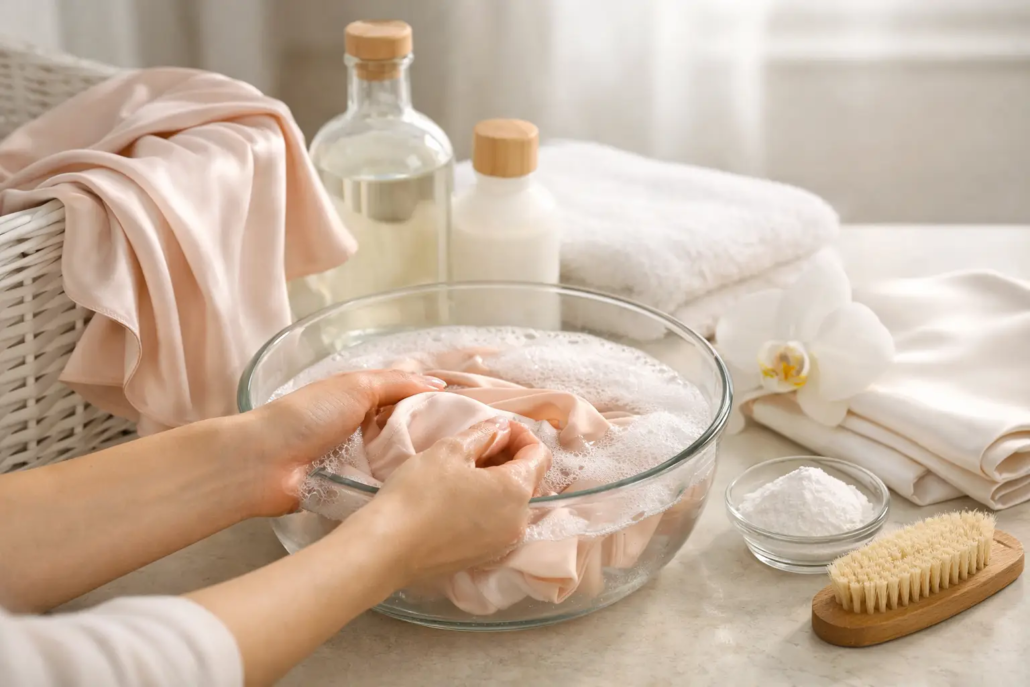
If the label says hand wash or if you know the blouse has handled water well before, keep the process gentle from start to finish. Fill a clean basin with cool water, not warm. Add a small amount of detergent made for delicates. Regular laundry detergent is often too strong and can leave silk feeling rough or looking flat.
Place the blouse in the water and move it slowly for a minute or two. Do not scrub the fabric, twist it, or let it soak for a long time. Silk does not need aggressive washing. In fact, overhandling is often what causes the damage people blame on the fabric itself.
Drain the basin and rinse with cool water until the detergent is gone. If the blouse is heavily soiled under the arms or around the cuffs, resist the urge to rub those areas. That usually creates wear, light spots, or distortion. It is better to repeat a gentle wash than to force a stain out in one try.
Spot cleaning silk without making it worse
Most silk blouses do not need a full wash every time. Often, you are dealing with one problem area – a drop of coffee, a bit of foundation, or deodorant buildup. Spot cleaning can work well, but only when done lightly.
First, blot the spot with a white cloth or plain paper towel. Press, do not wipe. Wiping spreads the stain and pushes it deeper into the fibers. Then test a small hidden area with cool water and a tiny amount of delicate detergent. If the color transfers, stop there and have it professionally cleaned.
For a stable fabric, dab the stained area gently and keep your work area small. Too much water can create a ring around the spot, which is often harder to fix than the original stain. After blotting, use a clean damp cloth to remove any soap residue.
Oil-based stains are trickier. Makeup, body lotion, and salad dressing tend to cling to silk. Home treatment may lighten them, but it can also spread the oil or set it if the wrong product is used. Avoid bleach, stain pens, enzyme sprays, and heavy-duty removers. Those shortcuts are hard on silk and often leave visible damage.
Drying matters as much as washing
A lot of silk damage happens after the cleaning is done. Once the blouse is rinsed, lay it flat on a clean white towel and roll the towel gently to absorb moisture. Do not wring the garment out. Twisting silk can break fibers, pull seams, and leave the blouse misshapen.
After that, lay it flat to air dry or place it on a padded hanger if the fabric is lightweight and not overly wet. Keep it away from direct sun, radiators, and vents. Heat can yellow silk, weaken it, or make it lose that soft, fluid drape people like in the first place.
If you hang a blouse while it is still dripping, the weight of the water can stretch the shoulders and placket. Flat drying is usually the safer choice. Once it is almost dry, you can reshape the collar, cuffs, and front edges by hand.
How to handle wrinkles in silk blouses
Silk wrinkles easily, especially after hand washing. The safest fix is usually steam, but even then, caution matters. Too much heat or direct pressure can leave shine marks or water spotting.
If you use an iron, turn the blouse inside out and select the lowest silk setting. Press only when the fabric is slightly damp or use a pressing cloth between the iron and the blouse. Never spray water directly on silk while ironing unless you have tested it first. Some silks spot easily.
A handheld steamer can be a better option for light wrinkles, but keep the steamer moving and avoid soaking the fabric. Structured silk blouses with facings, pleats, or hidden interfacing can react differently to steam than soft pullovers. That is one of those cases where the answer depends on the garment, not just the fabric name on the label.
When home care is fine, and when it is not
If you wear silk to the office, for dinners, or under blazers, it is tempting to treat every blouse the same way. That is usually where problems begin. A simple washable silk tank may do well with occasional careful hand washing. A cream silk blouse with a lining, French cuffs, and a fitted silhouette is another story.
Professional care is the better route when the blouse is labeled dry clean only, has body oils set into the collar, shows dye instability, or carries stains you cannot clearly identify. It also makes sense for white or light silk, since yellowing, rings, and uneven cleaning show up quickly.
There is also the finishing side to think about. Cleaning silk is one thing. Restoring a blouse so it comes back smooth, shaped, and ready to wear is another. That is where professional pressing and fabric-specific handling make a visible difference, especially for workwear and occasion pieces.
Common mistakes people make with silk
The biggest mistake is assuming gentle means casual. People toss silk into cold water with whatever soap is nearby, scrub one stain too aggressively, or hang it in the sun because it seems delicate enough to dry fast. Silk needs gentleness, but it also needs control.
Another common issue is washing too often. Silk blouses usually benefit from lighter wear between cleanings, especially if worn with an undershirt or layered under a jacket. Unless there is staining or odor, a blouse may only need airing out after one wear.
Storage matters too. If you put silk away slightly damp, deodorant-marked, or crushed into a crowded closet, the fabric pays for it later. Clean, dry, breathable storage helps preserve the finish and reduces the need for frequent cleaning.
A practical routine for busy households
For most people, the easiest approach is not to make every silk blouse a home-care project. Check the label when you buy it. If it is washable, clean it gently and infrequently. If it is structured, expensive, or part of your regular work rotation, treat professional care as maintenance rather than a rescue plan.
That approach saves time and usually saves money over the life of the garment. Replacing a damaged blouse costs more than cleaning it properly from the start. For busy professionals and families, that kind of consistency matters. You want clothing that is ready when you need it, not another fabric problem to solve on a weeknight.
If you are unsure, trust the blouse in front of you. A washable silk top with no lining gives you more flexibility. A tailored or highly finished silk blouse deserves more caution. And if you are in the Westbury area and would rather not guess, Joe’s Organic Dry Cleaning & Tailoring can help take the risk out of caring for delicate pieces.
Silk is not as impossible as people think. It just rewards a slower hand, a little restraint, and the good judgment to know when careful home washing is enough and when professional care is the smarter move.

