
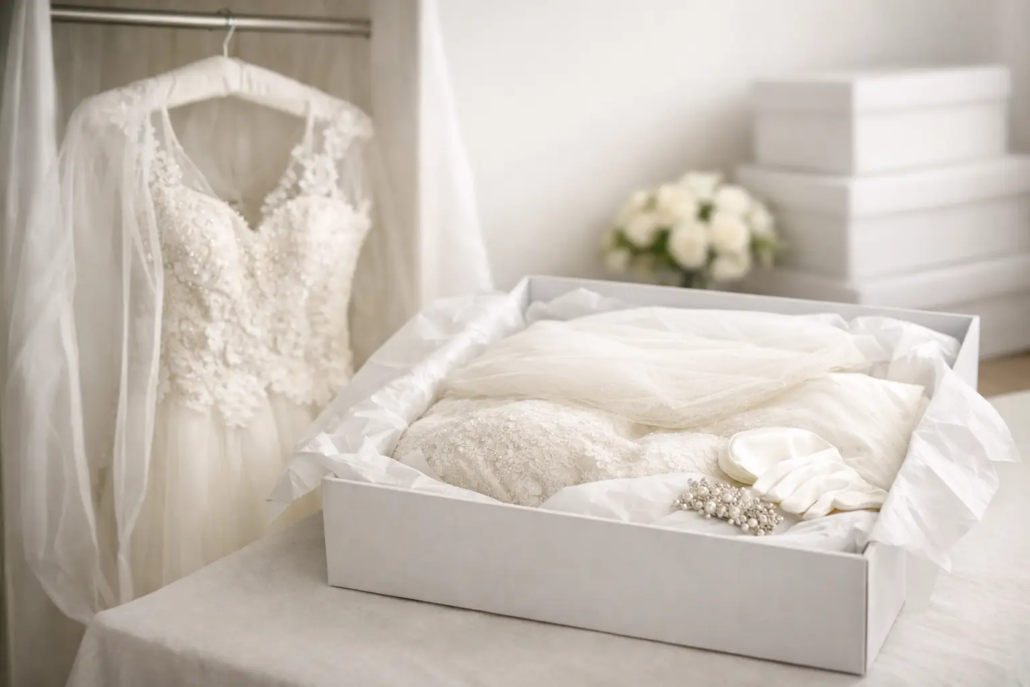
How to Store Wedding Gowns the Right Way
The moment the celebration is over, the dress usually goes from center stage to a closet door, a spare room, or the back seat of a car for longer than anyone planned. That is where problems start. If you are wondering how to store wedding gowns without yellowing, crushing, or fabric damage, the answer starts sooner than most people think – before stains set and before the wrong storage setup does lasting harm.
A wedding gown is not like an everyday dress. It often combines delicate fabrics, structured seams, hand-applied details, and layers that react differently to heat, pressure, light, and moisture. Proper storage is less about putting it away and more about preserving shape, color, and fabric stability over time.
Clean the gown before you store it
One of the biggest mistakes people make is storing a wedding dress exactly as it was worn. Even if it looks clean, it may have invisible residues from body oil, perspiration, perfume, makeup, champagne, or cake frosting. Hemlines also collect dirt and fine dust that can settle deeper into the fabric over time.
Those stains do not simply sit there. As months and years pass, they oxidize and become harder to remove. What looked like a tiny clear spill can turn into a brown or yellow mark later. That is why professional cleaning should happen before long-term storage, ideally soon after the wedding.
Not every gown should be treated the same way. Satin, silk, lace, tulle, beading, and built-in structure each require fabric-aware handling. A gown with embellishments or multiple fabric types may need a more specialized approach than standard dry cleaning. This is one area where waiting or guessing can get expensive.
How to store wedding gowns without causing fabric damage
After cleaning, the next step is choosing the right storage method. In most cases, the safest option is archival-style boxing with acid-free materials. This protects the dress from light exposure, helps reduce pressure on fragile areas, and creates a more stable environment than hanging in a standard garment bag.
Hanging can work for short-term storage, but it depends on the dress. A lightweight gown with minimal structure may be fine on a properly padded hanger for a short period. A heavy gown with beading, a long train, or a fitted bodice can stretch under its own weight if left hanging too long. Straps can weaken, seams can pull, and the silhouette can distort.
If you plan to preserve the gown for years, boxing is usually the better choice. The dress should be gently folded with acid-free tissue supporting the folds and cushioning decorated areas. The goal is to avoid sharp creases while keeping weight evenly distributed.
Skip the plastic bag and the attic
Many people assume any garment bag is protective. In reality, plastic can trap moisture and create the kind of environment that encourages mildew, odor retention, and fabric stress. It also offers little defense against temperature swings.
The storage location matters just as much as the container. Attics, basements, garages, and outdoor storage units are poor choices because they are prone to heat, humidity, cold, and pests. Wedding gowns do best in a climate-controlled indoor area with stable temperature and low humidity.
A guest room closet, under-bed storage in a conditioned room, or a dedicated shelf in an interior closet is usually much safer. Think of the gown like any other delicate textile – comfortable room conditions are better than extreme ones.
Folding, padding, and support matter more than people realize
A gown placed in a box without proper support can still suffer damage. Beading can press into surrounding fabric. Lace appliques can catch. Deep folds can set permanent crease lines if left untouched for years.
That is why acid-free tissue is used between folds and inside sleeves, bodices, and skirts where needed. It softens pressure points and helps the gown hold its shape. Heavier embellishment areas may need extra support so they do not press down on more fragile layers.
If the veil is being stored with the dress, it should be separated with tissue rather than wrapped tightly around the gown. Accessories such as belts, detachable sleeves, or overskirts should also be stored carefully, not tossed into the same box loose where they can snag fabric.
How to store wedding gowns with lace, silk, or heavy beading
Different materials bring different storage concerns. Silk is especially sensitive because it can yellow more noticeably and react poorly to poor storage conditions. Lace can snag easily if folded against rough trims or embellishments. Heavy beading adds weight, which increases the risk of stretching when the gown is hung.
For gowns with a lot of structure, boning, or corsetry, storage should protect the shape without forcing the bodice flat in an unnatural way. For fuller skirts, tissue support helps prevent crushing. For delicate overlays, less pressure is usually better.
This is why one-size-fits-all advice only goes so far. A simple crepe gown and a multi-layer ball gown should not be handled the same way. If your dress includes mixed fabrics, appliques, sequins, or heirloom lace, a professional recommendation is worth getting before you commit to a long-term storage setup.
Check on the gown occasionally
Long-term storage does not mean forgetting about it forever. It is smart to inspect the gown from time to time, especially in the first couple of years. You are not looking to refold it every month, but you do want to make sure the storage space has stayed dry, clean, and stable.
If the box shows signs of moisture exposure or if the closet has become humid, the gown should be evaluated before damage develops further. It can also help to have the folds adjusted periodically during very long storage periods, since fabric memory can set over time.
The key is gentle handling. Clean hands, a clear surface, and enough space matter. If the gown is heavily embellished or particularly delicate, having it reopened and rewrapped professionally is often the safer call.
Preservation versus basic storage
People often use those terms interchangeably, but they are not exactly the same. Basic storage means placing the gown in conditions that reduce obvious risks. Preservation usually refers to a more formal process that includes specialized cleaning, archival packing materials, and storage methods intended for long-term protection.
If you plan to keep the dress as an heirloom, preservation makes sense. If you expect to resell, redesign, donate, or shorten the gown within a year or two, you may not need the same level of packaging. It depends on your timeline and the value of the gown, both sentimental and financial.
For many families, the best choice is the one that protects the dress now while keeping future options open. A properly cleaned and stored gown is easier to alter, donate, pass down, or repurpose later.
When professional help is the better option
There is a point where DIY storage stops being practical. Dresses with visible staining, delicate trims, multiple layers, or substantial beadwork should be assessed professionally before being packed away. The same goes for vintage gowns or dresses you hope to keep for decades.
A trusted garment care specialist can identify weak points, recommend the best cleaning method for the fabric mix, and prepare the gown for storage in a way that supports rather than strains the design. For busy households, this also removes the guesswork. At Joe’s Organic Dry Cleaning & Tailoring, this kind of careful handling is part of helping special garments stay in good condition, not just look clean for the moment.
A few mistakes to avoid from the start
Most storage damage comes from a short list of avoidable choices: waiting too long to clean the dress, keeping it in plastic, hanging a heavy gown for years, storing it in a hot or damp space, or packing it with colored tissue or regular cardboard. Even scented sachets can be a problem if they transfer oils or fragrance to the fabric.
The safer approach is simple. Clean it promptly, store it with acid-free materials, keep it in a stable indoor environment, and avoid pressure, light, and moisture. It is not complicated, but it does require a little care up front.
A wedding gown carries a lot more than fabric and stitching. If you store it thoughtfully now, you give yourself a much better chance of opening that box years later and finding it just as worth keeping.

