
Posts

Sewing Machine

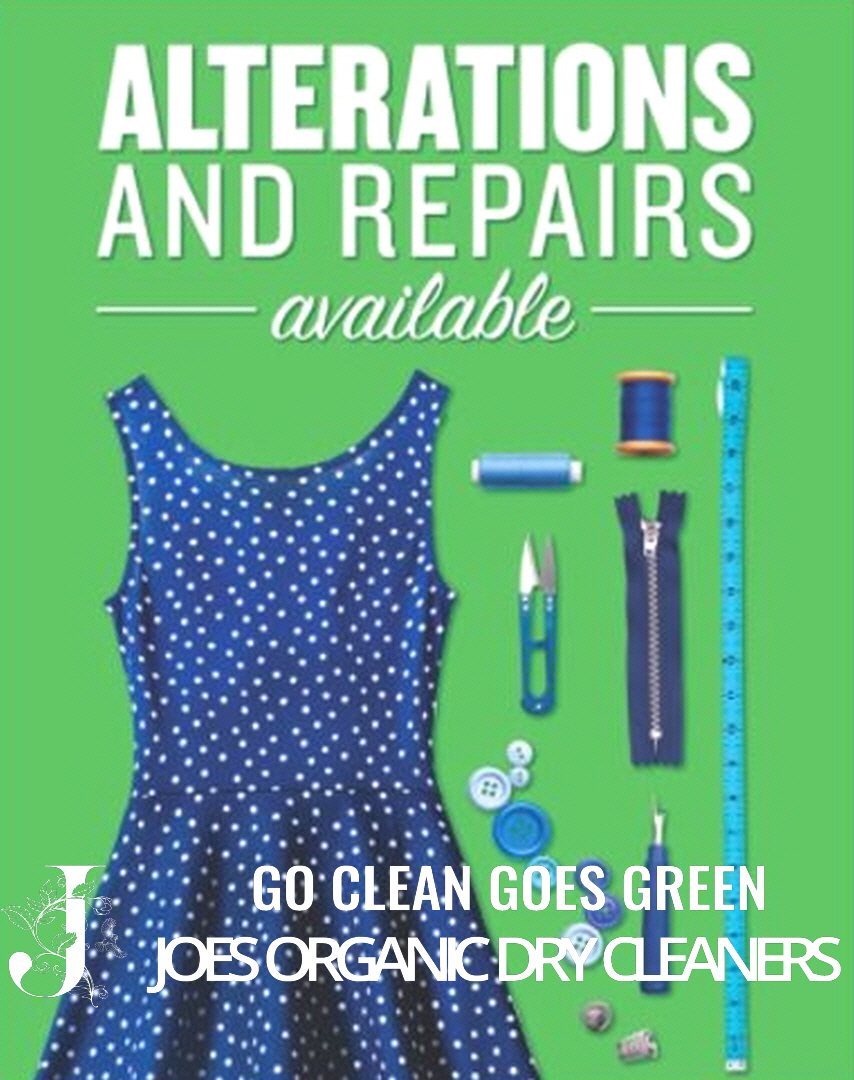
ALTERATIONS-SEWING-REPAIRS-in-Westbury


This advanced lockstitch machine offers high performance and reliability for professionals in garment repair and custom tailoring

한국어 버전

개요

이 기계는 정밀도, 속도 및 효율성을 위해 설계되었습니다. 전문적인 의류 수선 및 맞춤 재단 작업에 이상적인 솔루션입니다.

주요 특징

  • 직구동 메커니즘:
    모터가 직접 구동 시스템과 연결되어 진동과 에너지 손실을 최소화합니다.
  • 고속 작동:
    높은 속도로 작동하면서도 솔기 품질은 유지되어 생산성이 크게 향상됩니다.
  • 1-니들 록스티치 시스템:
    단일 바늘로 강하고 내구성 있는 솔기를 만들어 의류의 견고한 마감을 보장합니다.
  • 자동 실 자르기:
    솔기 작업 후 실을 자동으로 자르므로 작업 시간을 절약하고 연속 작업이 가능합니다.
  • 전기식 원단 이송 길이 제어 시스템 (EFLeCS):
    원단 이송 길이를 정밀하게 제어하여 균일한 솔기 품질을 유지합니다.
  • 통합 전기 제어 박스:
    모든 전기 기능을 중앙에서 관리하여 사용과 문제 해결을 간소화합니다.

결론

이 고성능 록스티치 기계는 전문 수선 및 맞춤 재단 작업에 필요한 정밀도와 효율성을 제공하는 최적의 선택입니다.


Versión en español

Visión General

Esta máquina está diseñada para ofrecer precisión, velocidad y eficiencia. Es la solución ideal para reparaciones de prendas profesionales y sastrería a medida.

Características Clave

  • Mecanismo de Accionamiento Directo:
    El motor está conectado directamente al sistema, reduciendo la vibración y la pérdida de energía.
  • Operación a Alta Velocidad:
    Funciona a alta velocidad sin comprometer la calidad de las costuras, lo que aumenta la productividad.
  • Sistema de Puntada Bloqueada de 1 Aguja:
    Utiliza una sola aguja para crear costuras fuertes y duraderas, asegurando un acabado profesional.
  • Cortahilos Automático:
    Corta el hilo automáticamente al finalizar la costura, ahorrando tiempo y facilitando el flujo continuo de trabajo.
  • Sistema de Control Eléctrico de Longitud de Alimentación (EFLeCS):
    Controla con precisión la longitud de alimentación del tejido para mantener una calidad uniforme en las costuras.
  • Caja de Control Eléctrica Integrada:
    Centraliza la gestión de las funciones eléctricas, simplificando la operación y la resolución de problemas.

Conclusión

Esta máquina de alta tecnología es la solución perfecta para profesionales que necesitan precisión y eficiencia en la reparación de prendas y la sastrería a medida.


English Version

Overview

This machine is engineered for precision, speed, and efficiency, making it an ideal solution for professional garment repair and custom tailoring operations.

Key Features

  • Direct-Drive Mechanism:
    The motor is directly connected to the drive system, minimizing vibration and energy loss.
  • High-Speed Operation:
    It operates at high speeds while maintaining stitch quality, significantly boosting productivity.
  • 1-Needle Lockstitch System:
    Uses a single needle to create strong, durable seams for a professional finish.
  • Automatic Thread Trimmer:
    Automatically cuts the thread after completing a seam, saving time and streamlining workflow.
  • Electric Feed Length Control System (EFLeCS):
    Precisely controls the fabric feed to ensure uniform seam quality.
  • Integrated Electrical Control Box:
    Centralizes electrical management, simplifying operation and troubleshooting.

Conclusion

This advanced lockstitch machine offers high performance and reliability for professionals in garment repair and custom tailoring, delivering superior stitch quality and an efficient workflow.

Tip your tailor

Dry-Cleaners-Joe's-Cleaners-Green-Store

Should You Tip Your Tailor? Here’s What Experts Say

Tipping your tailor is an unwritten “fashion rule.”

Having your clothing tailored is one of those service fashion rule s that’s absolutely necessary, but often underrated. Broken zipper on your jeans? A thrifted dress that doesn’t fit quite right? A treasured favorite badly in need of repair? Tailors come in clutch for all the above scenarios and so many more. This begs the question: How much should you tip your tailor, and is a tip even required? The answer depends, but our handy guide on tipping tailors makes it a cinch.

Should You Always Tip Your Tailor? 

Tipping your tailor isn’t mandatory or even expected in most cases, but that’s not to say it isn’t very much appreciated. Rhonda Marinoff, a personal fashion stylist based in New York City, calls it an “unwritten fashion rule” of sorts, and says that it’s often in good form to add a little extra on top of the standard fee. This is particularly true if it’s exceptional service—like when your tailor makes complex alterations or they come in clutch at the last minute.

How Much to Tip Your Tailor 

It’s not a requirement to tip your tailor. However, if you’d like to tip then a good rule of thumb is to aim for 10% to 15% of the total alteration cost. You can also follow this simple tailor tipping guide:

Standard Tailoring: $0 to $20 

This includes quick fixes like addressing hems, tears, zippers, and minor fit adjustments. If you want to show gratitude, a tip of $5 to $20 (or more for complicated work) is a nice gesture. Otherwise, a great review, word-of-mouth referrals, or bringing repeat business can be just as valuable.

Holiday Tipping Etiquette: “If you use a dressmaker regularly, an extra appreciation gift during the holiday season is a wonderful gesture,” Marinoff says. The amount is up to you, but anywhere from $25 to $100 is a great place to land.

High End Stores: $0 to $100+ 

Tipping a tailor is usually not expected when having your garment tailored at a high-end store since alterations are often baked into their pricing structure. However, if you receive exceptional service—like last-minute alterations, extensive custom work, or extra attention to detail—then tipping is a kind gesture.

Bridal: $20 to $100+

Tipping a bridal tailor is more common than tipping a regular tailor, especially for intricate gown alterations. While tipping your tailor still isn’t mandatory in this case, it’s a simple way to shows appreciation of their skill and effort. The more complex the work (or if it required a quick turnaround), the higher the tip.

Exceptions to the Tipping Rule

The only exception to these general tailor tipping guidelines is if you’re not happy with the work. “If services were not satisfactory and the dressmaker was not willing to try to improve on the service, no tip would be appropriate,” Marinoff says.

In this case, being honest with the tailor is important. Marinoff says, “The fit of a garment is almost as important as the garment itself. A poorly fit garment can ruin the most gorgeous garment. The right length of a dress, fit of bustline, waist placement, sleeve and shoulder fit, etc. should lay perfectly—every small detail counts.”

That said, if you find an exceptional tailor who always nails it or is a collaborative partner, then it’s worth keeping them around and showing them gratitude through tipping. Marinoff says, “A great dressmaker on your team is essential!”

https://www.realsimple.com/do-you-tip-a-tailor-8789121

Consistency Is King

Under-promise and over-deliver

The best advice I’ve gotten from running a dry cleaner with tailor for 12 years and writing about business, work, and life.

Running a dry cleaner with tailoring services for over a decade provides invaluable lessons that translate into timeless business wisdom. Here’s a collection of the best advice you’ve likely embraced or reflected on through your journey:

1. Consistency Is King

Customers trust businesses that deliver consistent quality. Whether it’s perfectly pressed shirts or precise tailoring, ensuring every job meets high standards keeps clients coming back. As they say, “Under-promise and over-deliver.”


2. Invest in Relationships, Not Just Transactions

Regular customers often come back because they feel valued. Knowing their names, preferences, and tailoring styles makes your service feel personalized, fostering loyalty. Building trust through genuine care pays dividends.


3. Adapt to Change Proactively

The dry cleaning industry has faced shifts, like eco-friendly trends and reduced demand for formalwear. Embracing organic dry cleaning methods or sustainable wet cleaning early demonstrates innovation and keeps you competitive.


4. Master the Art of Communication

Explain processes, timelines, or potential challenges to customers in simple terms. Clear, honest communication resolves issues before they arise and makes you approachable.


5. Prioritize Efficiency and Organization

Time is money in a business like yours. Streamlined workflows, digital booking systems, and scheduled pickups/deliveries optimize your operations while leaving room for attention to detail.


6. Marketing Is as Important as Service

A great business can go unnoticed without effective marketing. Whether through a sharp website, regular social media updates, or word-of-mouth referrals, your visibility builds trust and draws in new customers.


7. Leverage Data for Decision-Making

Understanding peak times, service preferences, and profit margins on alterations versus dry cleaning helps you focus on what drives growth. Data-driven decisions keep you agile and ahead of competitors.


8. Don’t Be Afraid to Say No

Some requests or rush jobs may compromise your quality or stretch resources too thin. Politely declining certain work protects your reputation and ensures you’re delivering the best to your core clientele.


9. Never Stop Learning

Staying curious about the latest cleaning technology, fabric trends, or customer service practices sharpens your expertise. The willingness to adapt keeps you relevant, even as industry demands evolve.


10. Balance Work with Life

Small business ownership often feels all-consuming, but burnout isn’t productive. Stepping away periodically to recharge allows you to return with fresh energy and perspective.


11. Empathy Goes a Long Way

Whether handling a disgruntled customer or a staff issue, empathy diffuses tension and fosters stronger connections. Listening attentively and showing you care builds trust and goodwill.


12. Reputation Is Everything

In a service-oriented business, word-of-mouth can make or break you. A reputation for reliability, friendliness, and high-quality results is your most powerful asset—guard it fiercely.

By combining these lessons with your own insights and dedication, you’ve likely built a trusted brand that reflects both professionalism and care.


4o