
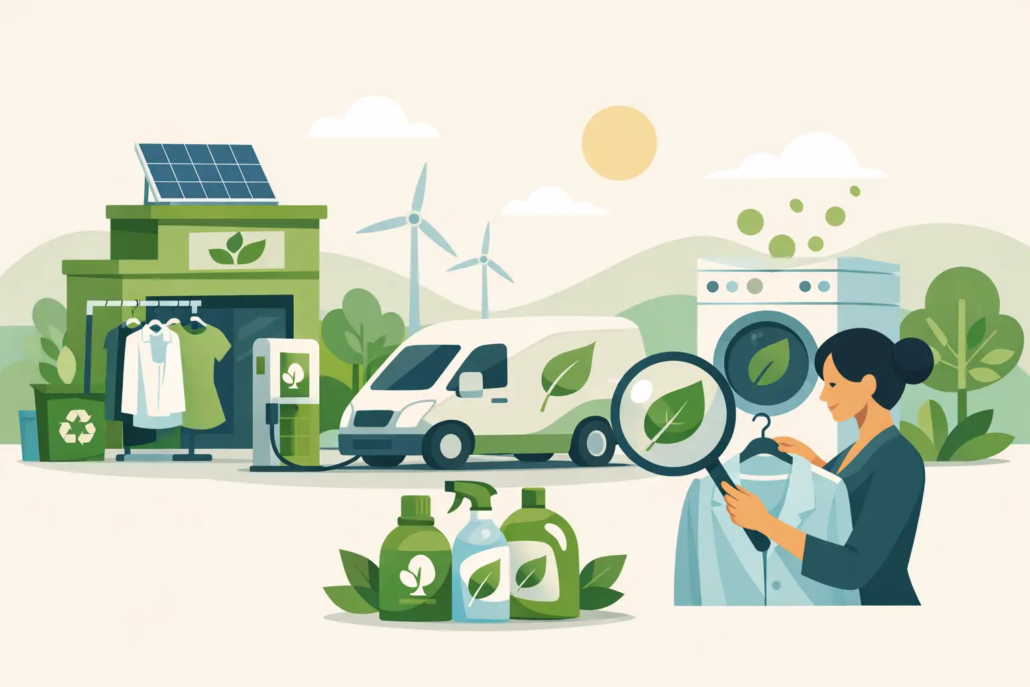
How to Choose an Eco Friendly Dry Cleaner
That dress you need for Saturday, the suit you wear every week, the comforter that will not fit in your washer – these are the moments when choosing an eco friendly dry cleaner stops being a nice idea and starts being a practical decision. You want clothes that look sharp, feel fresh, and hold up over time. You also want a process that is easier on your fabrics, your home, and the people handling your garments every day.
For most households, dry cleaning is not a luxury service. It is part of keeping work clothes ready, special items protected, and weekly routines under control. The question is not whether professional cleaning matters. It is whether your cleaner is using methods that balance results, fabric care, and convenience.
What an eco friendly dry cleaner actually does
A true eco friendly dry cleaner is not just using greener language in its marketing. The difference comes from the cleaning method, the way garments are handled, and how the business approaches long-term fabric care.
Traditional dry cleaning has often been associated with harsher solvents and a strong chemical smell that many customers recognize right away. Newer fabric-care methods aim to reduce that issue while still delivering the crisp, finished look people expect from professional service. One example is organic K4 dry cleaning, which is designed to be gentler than older solvent systems while still being effective on many everyday and specialty garments.
Many eco-conscious cleaners also use professional wet cleaning for items that respond better to water-based care under controlled conditions. That matters because not every garment needs the exact same treatment. A cleaner with more than one safe, professional method can make smarter decisions based on fabric, structure, trim, and stain type.
Why fabric care matters as much as the cleaning method
People often focus on the word eco and stop there. But the real benefit shows up in your closet.
A good eco friendly dry cleaner helps garments keep their shape, color, and finish over time. Suits should stay sharp through repeated wear. Dresses should not come back feeling over-processed. Shirts should look clean and pressed without being beaten up by repeated home laundering. Delicate items should be treated according to what the fabric can handle, not pushed through a one-size-fits-all system.
This is especially important for structured and sentimental pieces. Wedding dresses, formalwear, blazers, uniforms, comforters, and curtains all need a little more judgment than basic wash-and-fold items. Sometimes the safest option is dry cleaning. Sometimes professional wet cleaning is the better choice. Sometimes stain removal and finishing matter more than the cleaning cycle itself. That is where experience counts.
Signs you have found the right eco friendly dry cleaner
The easiest way to spot a dependable cleaner is to look beyond slogans. A quality provider should be able to explain its process in plain language and help you understand why one method is chosen over another.
If you bring in a wool blazer with light spotting, the answer should not sound the same as the answer for a beaded dress or a down comforter. Different garments need different handling. The right cleaner pays attention to labels, fabric blends, construction, and any risks around shrinkage, color loss, or texture change.
You should also notice consistency. Are your shirts pressed the way you like them? Do hems, seams, and buttons come back intact? Are items returned on time and ready to wear? Environmental responsibility matters, but it does not replace service quality. The best cleaner does both.
Why convenience matters more than most people admit
For busy professionals and families, convenience is often the difference between staying on top of garment care and letting it pile up in a chair for two weeks. That is why the best local cleaner is not just the one with the right process. It is the one that fits real life.
Pickup and delivery can make a big difference, especially if you are managing work clothes, school items, uniforms, and special pieces at the same time. A one-stop shop also saves time. If you can clean, press, tailor, and repair garments through one neighborhood provider, you avoid multiple errands and reduce the chances of an item getting delayed before you need it.
This matters most during busy seasons. Think weddings, graduations, holiday gatherings, back-to-school transitions, or business travel. When the cleaner can handle both garment care and alterations, you spend less time coordinating and more time knowing your clothing will be ready.
Dry cleaning, wet cleaning, and laundry are not the same thing
Customers are often told to look for green cleaning, but they are not always told what that means in practice. A dependable cleaner should match the service to the garment.
Dry cleaning is usually best for structured pieces and fabrics that do not respond well to standard washing. Wet cleaning is a professional process that uses water and specialized controls to safely clean garments that can benefit from a gentler water-based method. Shirt laundry and pressing are ideal for high-volume weekly items that need a clean, polished finish.
None of these services is automatically better in every case. It depends on the item. A cleaner who offers all three has more flexibility and can protect your clothes better than a shop that forces everything into a single method.
Questions worth asking before you trust a cleaner
If you are comparing local options, ask practical questions. What cleaning methods do you use? How do you handle delicate fabrics or embellished garments? Can you remove common stains without over-treating the area? Do you offer alterations and repairs in-house? Is pickup and delivery available?
You do not need a chemistry lesson. You just need clear answers and confidence that your garments are being handled carefully.
It is also fair to ask about the types of items they clean most often. A cleaner that regularly handles suits, dresses, household textiles, and formalwear is usually better prepared for the range of needs that come up in a busy household. Experience with specialty items is not a side detail. It is often what separates a smooth result from an expensive mistake.
Local service still matters
There is a reason people stay loyal to a neighborhood cleaner that does the job well. Garment care is personal. You are handing over clothes you wear to work, family events, services, interviews, parties, and travel. You want to know the person caring for those items understands both quality and timing.
A local eco friendly dry cleaner also tends to understand routine customer needs better. That could mean knowing you want your shirts lightly starched, remembering a preferred crease, spotting a missing button before it becomes a problem, or helping you clean and alter an item ahead of an event. Those small details save time and reduce stress.
For customers in and around Westbury, that neighborhood reliability matters just as much as the cleaning method. Joe’s Organic Dry Cleaning & Tailoring is built around that kind of everyday usefulness – caring for garments properly, finishing them well, and making the process easier through dependable service and local pickup and delivery.
When eco friendly cleaning is the better choice
The strongest case for greener garment care is not just environmental. It is practical.
If you want your work wardrobe to last longer, gentler professional care can help. If you have children’s formal clothes, church clothing, uniforms, or seasonal items that need periodic attention, safer cleaning methods can be a better fit. If you are storing a wedding dress or preserving garments you do not wear often, careful handling becomes even more important.
There are trade-offs, of course. Some stains are stubborn. Some older garments are fragile. Some fabrics react unpredictably no matter how careful the process is. A good cleaner will be honest about that. The goal is not perfection in every single case. The goal is thoughtful treatment, strong results, and fewer risks than a harsher or less specialized approach.
The best time to find a cleaner is before you are in a rush. Choose one when you have a moment to ask questions, test the service with a few items, and see how your clothes come back. Once you find a cleaner that combines eco-conscious methods, strong finishing, tailoring support, and reliable convenience, wardrobe care gets much easier. And that is really the point – clean clothes, less hassle, and one less thing to worry about when the week gets busy.
