
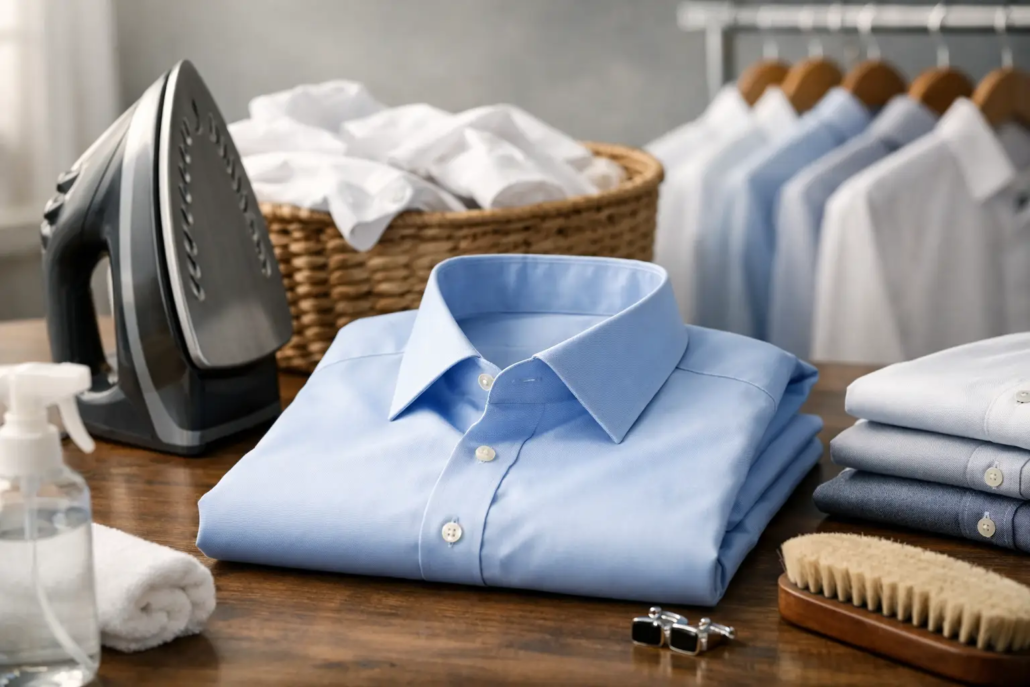
A Practical Guide to Dress Shirt Care
A shirt can look clean and still give itself away by noon. Ringed collar, softening cuffs, light wrinkles across the placket – these are the details people notice on workdays, at services, at dinners, and in every setting where looking put together matters. That is why a good guide to dress shirt care is less about perfection and more about keeping shirts ready to wear, week after week, without wearing them out.
Most dress shirts fail early for simple reasons. They are washed too aggressively, left sitting with stains, dried too hot, or pressed with too much heat in the wrong places. None of those mistakes seem major in the moment. Over time, though, they lead to fading, frayed collar points, thinning fabric at the elbows, and a shirt that never quite looks crisp again.
What good dress shirt care actually protects
A dress shirt is a working garment. Even higher-end shirts are worn close to the skin, absorb body oils, and flex constantly through the shoulders, cuffs, and collar. The goal is not only to remove visible dirt. Proper care protects the structure of the shirt, the color of the fabric, and the smooth finish that makes it look polished.
That is especially true for white shirts, light blue office shirts, and patterned cotton shirts that see regular weekly use. These pieces often wear out not because they were old, but because they were overwashed or handled roughly. Good care helps them hold shape longer, keeps collars cleaner, and reduces the tired look that comes from repeated home laundering without much attention to detail.
Guide to dress shirt care at home
If you wash shirts at home, start with the label. That sounds basic, but it matters. Some shirts are 100 percent cotton and can handle standard laundering. Others include stretch fibers, delicate weaves, or finishes that react poorly to high heat and heavy agitation.
Before washing, unbutton the cuffs and front placket, and remove collar stays if the shirt has them. Check the collar band, underarms, and cuffs for buildup. Those areas collect oil and soil first, and they need attention before the wash begins. If you wait until discoloration sets in, cleaning becomes harder and more aggressive treatment may be needed.
Use a mild detergent rather than anything overly strong or heavily fragranced. More soap does not mean cleaner shirts. It often means more residue, especially in collars and cuffs. Wash in cold or warm water unless the care label says otherwise. Hot water can shrink cotton and set certain stains, and it can also dull color faster.
It also helps to separate shirts by color and fabric weight. White dress shirts should not go in with dark casual items, and lightweight business shirts do better when they are not tumbling against heavy jeans or towels. That kind of friction shortens the life of the fabric.
How to treat collar and cuff soil
This is where many shirts are won or lost. The collar and cuffs collect skin oils, sweat, and product residue from lotions or grooming products. A quick pretreatment before washing usually works better than a harsh stain attack later.
Apply a small amount of gentle stain solution or detergent to the soiled area and work it in lightly with your fingers or a soft brush. The key word is lightly. Scrubbing too hard can rough up the fibers and create a worn-looking edge, especially on white collars. Let it sit for a few minutes, then wash as usual.
If buildup is recurring, the issue may not be the shirt care alone. Neck oils, sunscreen, beard products, and deodorant can all transfer heavily onto fabric. In that case, faster washing after wear often helps more than stronger products.
The drying step matters more than people think
Overdrying is one of the fastest ways to age a dress shirt. High dryer heat weakens fibers, sets wrinkles deeper, and can make collars and cuffs feel stiff in the wrong way. If you use a dryer, keep it on low heat and remove shirts while they are still slightly damp.
Even better, hang them immediately and smooth the front, sleeves, and collar by hand. That alone can reduce wrinkles enough to make pressing easier. Air drying is gentler, but it depends on the shirt and your schedule. Some all-cotton shirts can dry a little crisp and need more finishing afterward. For busy households, a controlled dryer cycle followed by prompt hanging is often the practical middle ground.
Pressing shirts without damaging them
A well-pressed shirt looks sharper, but too much heat can create shine, flatten texture, or scorch the fabric. Start with the iron set to the correct fabric level. Cotton can usually take more heat than blends, but that does not mean maximum heat is always best.
Press the collar first, then the cuffs, sleeves, yoke, and body panels. Work in sections rather than dragging the iron across the shirt repeatedly. Steam helps, but too much moisture can leave marks on some fabrics if you do not allow them to dry properly on the hanger.
If ironing at home feels like the part that never comes out quite right, that is normal. Shirt finishing is where professional service makes a visible difference. A properly laundered and pressed shirt has cleaner lines, smoother seams, and a more consistent finish than most people can achieve during a rushed evening routine.
When stains need faster action
Dress shirts pick up more than sweat and soil. Coffee, makeup, ink, food oils, and even car seat grime can all show up at the wrong time. The biggest mistake is letting the shirt sit for days before dealing with it.
Blot the stain instead of rubbing it. Rubbing spreads the problem and pushes it deeper into the fabric. If you are at home, rinse with cool water when appropriate and avoid using random household cleaners that are not meant for garments. Some can bleach color, weaken fibers, or set stains permanently.
There is also an it depends factor here. A simple water-based spot may respond well to immediate home treatment. Oil-based stains, ink, or mystery stains on white or fine shirts often do better with professional care from the start. Trying three different internet remedies can turn a removable stain into a permanent one.
When professional shirt care makes more sense
Not every shirt needs the same approach. Some people are comfortable washing everyday office shirts at home and sending out only special pieces. Others wear dress shirts four or five days a week and would rather keep the whole rotation professionally cleaned and pressed for consistency and time savings.
Professional shirt laundry is especially useful when appearance matters daily. It helps with white shirts that need to stay bright, shirts with stubborn collar soil, and garments that need a crisp finish for work, worship, travel, or events. It can also reduce wear from repeated home washing mistakes.
For households managing full schedules, the convenience matters just as much as the result. Having shirts cleaned, pressed, and ready in the closet removes one more weekly task. For many Long Island professionals and families, that reliability is the real value.
Storage is part of dress shirt care too
Clean shirts should be stored on proper hangers with enough space between them. Wire hangers can distort shoulders over time, and overcrowding invites wrinkles. If you prefer folding certain shirts, fold them only when fully dry and avoid stacking them in a way that crushes collars.
A shirt should also be cleaned before long-term storage. Oils and invisible residue left in the fabric can yellow over time, especially on white cotton. That is why a shirt worn once to a dinner or service should not be hung back up for months without cleaning, even if it looks fine at a glance.
Rotation helps shirts last longer
Wearing the same two or three shirts every week while the rest sit untouched is hard on those favorites. A better rotation spreads out stress on collars, cuffs, and elbows. It also gives each shirt time to fully air out between wears when appropriate.
If you rely on dress shirts often, keep enough in rotation to avoid overusing the same ones. That does more for longevity than many people realize.
A few signs your shirt needs more than washing
Sometimes the issue is not cleanliness. If the collar points are curling, the cuffs are fraying, or the fit through the neck and sleeves no longer feels right, cleaning alone will not restore the shirt. Minor repairs or adjustments can sometimes extend the life of a favorite shirt, especially if the fabric is still strong overall.
That is one reason an all-in-one garment care provider is helpful. When a shirt needs cleaning, pressing, and a small repair at the same time, it is easier to keep it in service instead of replacing it too soon.
Joe’s Organic Dry Cleaning & Tailoring sees this often with work shirts that are still perfectly good except for one issue – a worn cuff edge, a loose button, or a fit change after weight fluctuation. Addressing that early usually gives the shirt a longer usable life.
The best shirt care routine is the one you will actually keep up with. For some people, that means careful home laundering and occasional professional pressing. For others, it means handing off weekly shirt care so mornings stay simpler and every shirt is ready when needed. Either way, a little consistency goes a long way, and your shirts will show it.

