Is there such a thing as organic dry cleaners?
Yes—but “organic” in dry cleaning usually means the cleaner uses an alternative process/solvent (not perc) and pairs it with safer, more sustainable practices (modern filtration, responsible waste handling, careful spotting, and often professional wet cleaning).
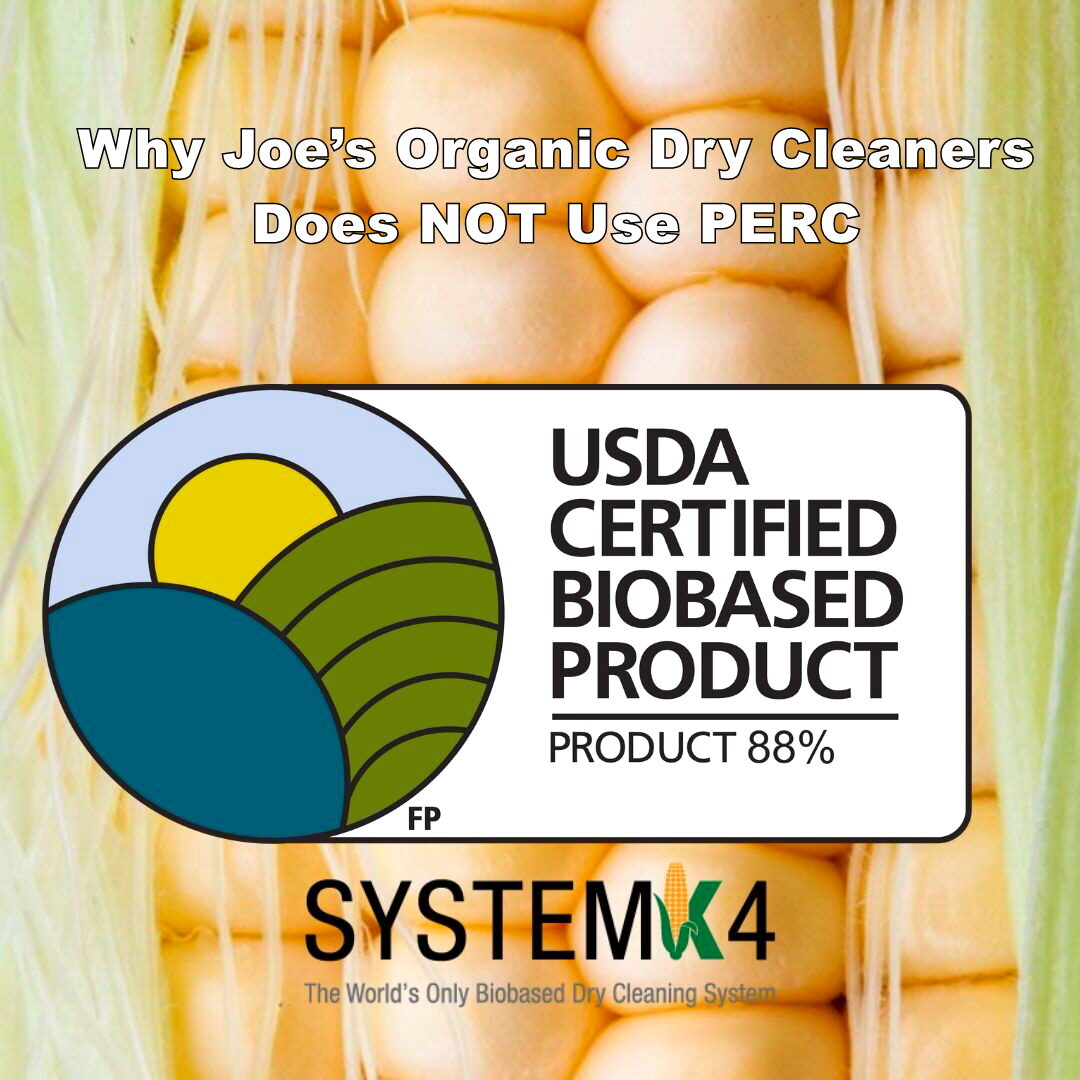
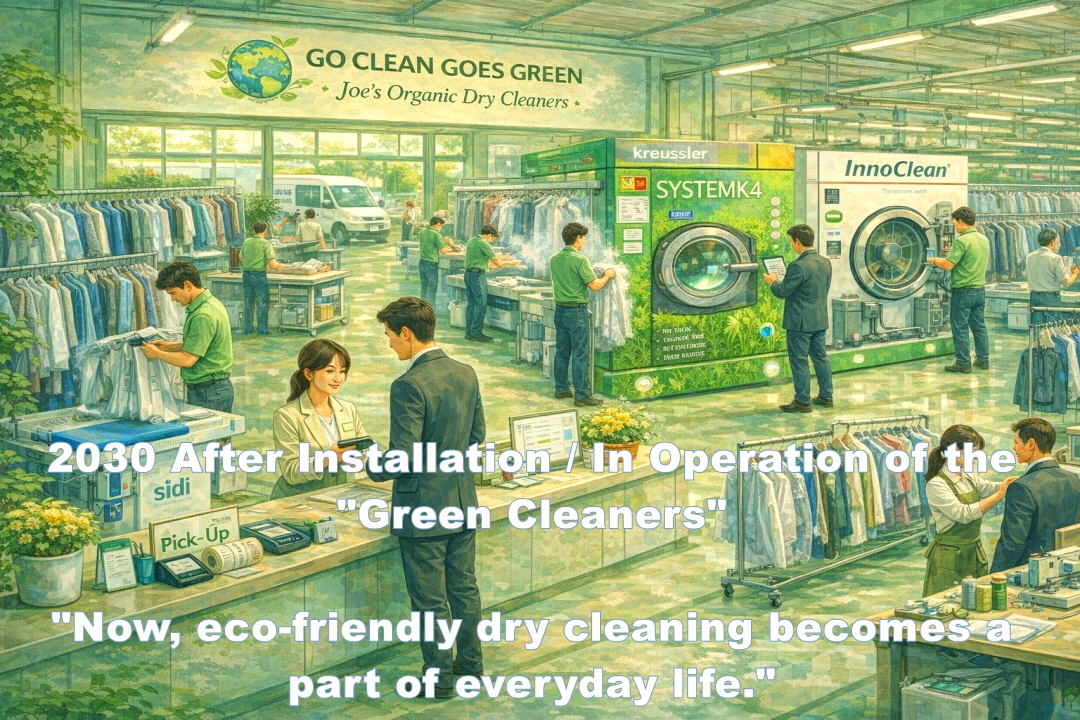
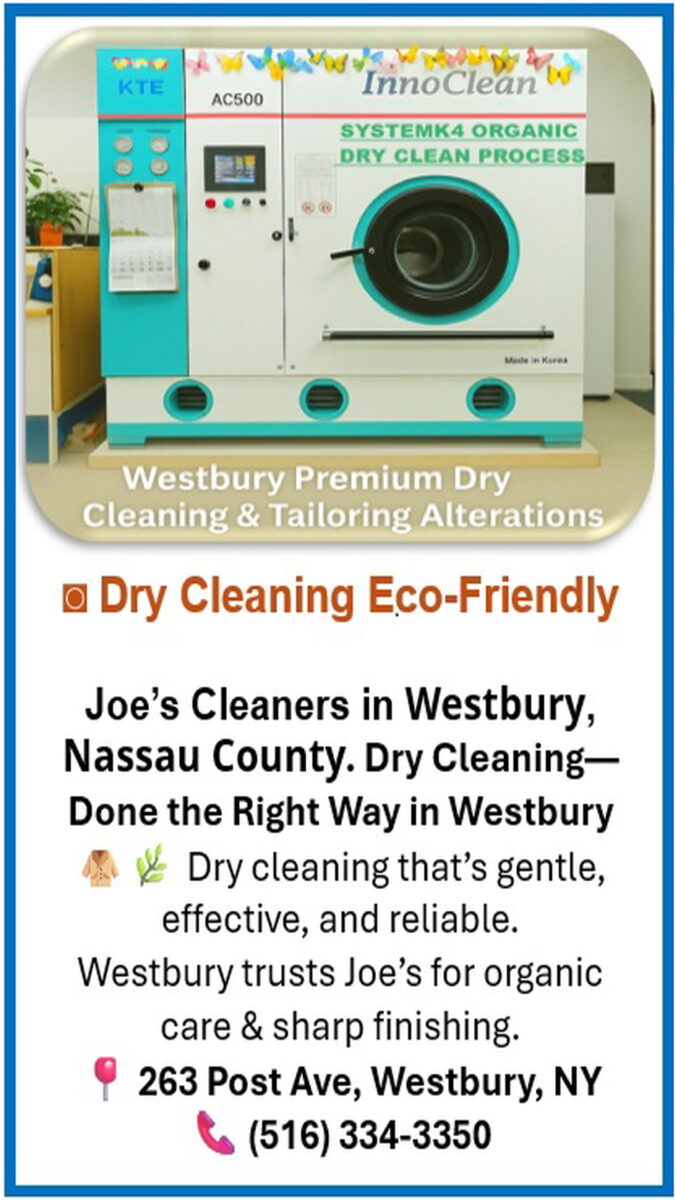
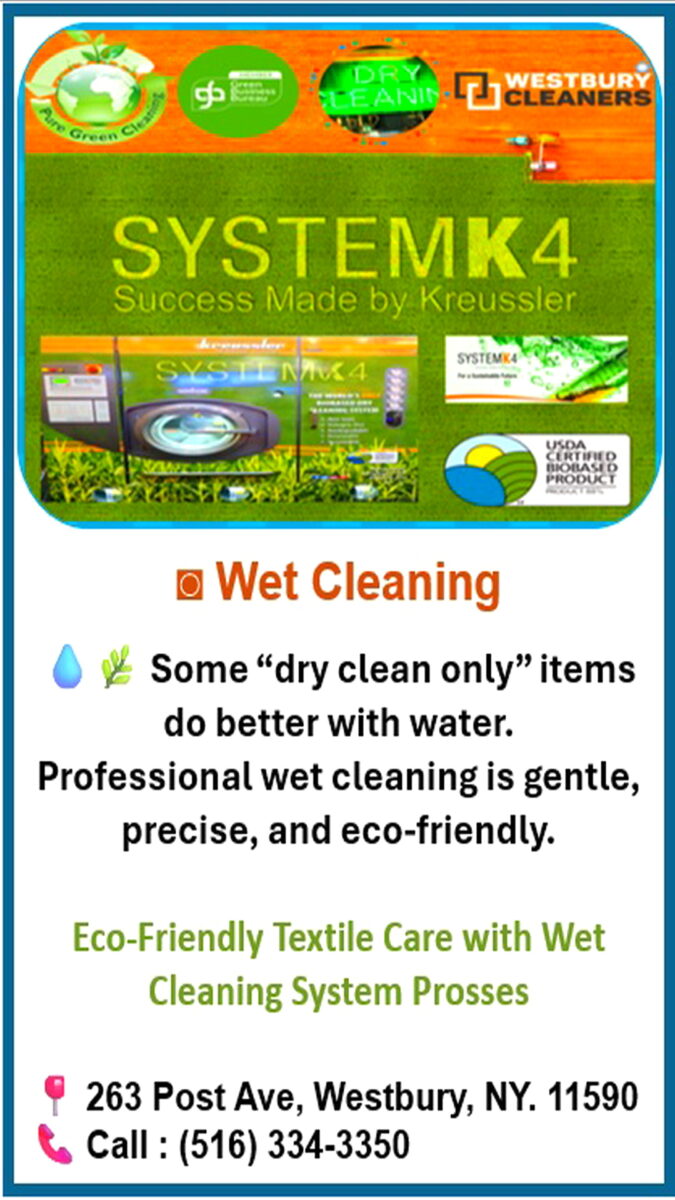
At Joe’s, “organic” points to SYSTEMK4®, which uses SOLVONK4, described as a halogen-free solvent used in the SYSTEMK4 process.
🌿 Joe’s Organic Dry Cleaners & Tailoring Alterations
📍 263 Post Ave, Westbury, NY 11590 | 📞 (516) 334-3350 | 🚚 Free Pickup & Delivery
What does organic dry cleaning mean?
It generally means:
-
No perc (PCE) solvent cleaning
-
Use of a newer alternative solvent system and/or professional wet cleaning
-
A focus on lower-odor, lower-toxicity garment care
With SYSTEMK4, the manufacturer describes the process as using a halogen-free solvent (SOLVONK4) as the key component of the system.
Is organic dry cleaning better?
It can be “better” in the ways customers actually care about:
-
Less harsh on many fabrics (especially trims, dyes, delicate finishes)
-
Lower odor and generally improved comfort for many people
-
Reduced reliance on older high-concern solvents like perc
Also, regulators and industry shifts increasingly recognize risks from perc/PCE and push alternatives. EPA has assessed perc risks and has taken risk-management actions around PCE.
Bottom line: “Better” depends on the garment and the cleaner’s skill—but modern systems + strong craftsmanship usually win.
Is there such a thing as chemical-free dry cleaning?
Not really. Cleaning is chemistry—whether it’s:
-
a solvent, or
-
water + specialized detergents (wet cleaning)
What you can choose is lower-toxicity options and a cleaner who avoids older high-risk solvents and uses best practices. Professional wet cleaning is widely positioned as a non-toxic, water-based commercial alternative for many “dry clean” garments.
What is a healthy alternative to dry cleaning?
Two strong alternatives (depending on the garment):
-
Professional wet cleaning (water-based, controlled process for delicates)
-
Modern alternative-solvent dry cleaning (i.e., not perc), such as SYSTEMK4’s SOLVONK4 approach
If you’re sensitive to odors or have kids/pets at home, ask your cleaner what process they use and how they finish/air garments.
What type of solvent is used in dry cleaning?
Dry cleaning can use different solvent families, including:
-
Perchloroethylene (perc / PCE) (legacy solvent; health/regulatory scrutiny)
-
Hydrocarbon solvents (common “alt” solvent class)
-
Silicone-based (D5 / “GreenEarth”) in some shops
-
Modified alcohol blends in some systems
-
CO₂ cleaning (specialty)
-
K4 / SOLVONK4 (SYSTEMK4) described as halogen-free by the manufacturer
If a customer asks “Which solvent do you use?”—a good cleaner answers clearly, without dodging.
Which of these is used as a solvent for dry cleaning?
If this is a multiple-choice style question, the classic textbook answer is perchloroethylene (perc/PCE) (historically common).
But many modern cleaners use alternatives (hydrocarbon, silicone, modified alcohol, SYSTEMK4/SOLVONK4, etc.).
What are the 4 types of cleaning chemicals?
In garment care, a practical “big 4” grouping is:
-
Solvents (or water systems) that carry soil away
-
Detergents / surfactants (lift oils/particulate soils)
-
Spotting agents (targeted stain removers: tannin, protein, oil, dye, etc.)
-
Finishing chemicals (sizing, conditioners, anti-static/softeners—used carefully)
If you want this phrased for customers: “We use the right chemistry for the stain and the fabric—never the other way around.”
What are the downsides of dry cleaning?
Dry cleaning is excellent for structure, oils, and “do-not-wash” garments—but downsides can include:
-
Cost vs. home washing
-
Risk if the cleaner uses perc (worker/community exposure concerns are a big reason the industry is moving away from it)
-
Potential for trim issues (glues, beads, sequins), dye bleed, or texture changes if done improperly
-
Over-cleaning wear if you clean items too frequently
-
Occasional missing button / loose hem events (rare, but possible—good shops inspect and communicate)
A skilled cleaner reduces these risks through inspection, testing, proper cycles, and finishing.
How to tell if a dry cleaner is good?
Look for:
-
Clear process transparency (what system, what solvent, what wet-clean options)
-
Garment inspection at intake (notes on stains, missing buttons, weak seams)
-
Stain expertise (not just “run it through”)
-
Pressing/finishing quality (clean lines, no shine, no crushed texture)
-
Consistency + accountability (re-clean policy, honest timelines)
-
Professional affiliations (Joe’s is affiliated with NYSFA, which signals industry engagement and standards)
What is a reasonable price for dry cleaning? / How much is a typical dry cleaning service?
Pricing varies by region, garment complexity, fabric, and finishing. In the NYC area, published price ranges show wide spread:
-
Some shops cite suits/dresses around ~$15–$40+ depending on garment and details
-
Other NYC price lists show 2-piece suits around ~$30+ and up, with large variance for specialty items
Westbury/Nassau County: you’ll typically land somewhere within the broader metro range depending on quality level and garment type. Best practice: call with the fabric + brand + any stains for an accurate quote.
How much does it cost to get a suit dry cleaned?
A realistic, consumer-friendly answer:
-
Typical metro range: often ~$15 to $40+ for a standard 2-piece suit, but can be higher for designer, lined, delicate, or heavily detailed suits.
-
Add-ons that increase cost: heavy spotting, smoke odor treatment, special finishing, suede/leather, or couture construction.
If you want the “Joe’s” version: “Bring it in (or schedule pickup). We’ll quote based on fabric, construction, and the actual condition—because guessing isn’t garment care.”
Is same day dry cleaning worth the cost?
It’s worth it when:
-
You have a deadline (interview, funeral, wedding, travel)
-
The item needs professional finishing (pressed suit, crisp dress)
-
You’re paying for priority workflow + labor allocation, not “magic”
It’s not worth it when:
-
The garment is lightly worn and you can wait
-
The fabric needs extra time for safe spotting/testing
A good cleaner will tell you when same-day is smart—and when it risks quality.
Is it cheaper to hand wash or dry clean?
Usually, hand washing is cheaper in dollars, but not always cheaper in outcomes.
-
For structured garments (suits, lined dresses), hand washing can cause shrinkage, distortion, dye bleed, or bubbling.
-
For many delicates, professional wet cleaning can be the “best of both worlds” (water-based + controlled).
Rule of thumb: if the garment has structure (canvas, lining, shoulder pads), let a pro handle it.
“Joe’s Organic Dry Cleaners & Tailoring Alterations” is a cleaner affiliated with the New York State Fabricare Association (NYSFA), providing environmentally friendly garment care that meets New York State standards, and is a reliable local dry cleaner and tailoring alterations service.
External Brand Hub:










 January Closet Reset in Westbury at Joe’s Cleaners