
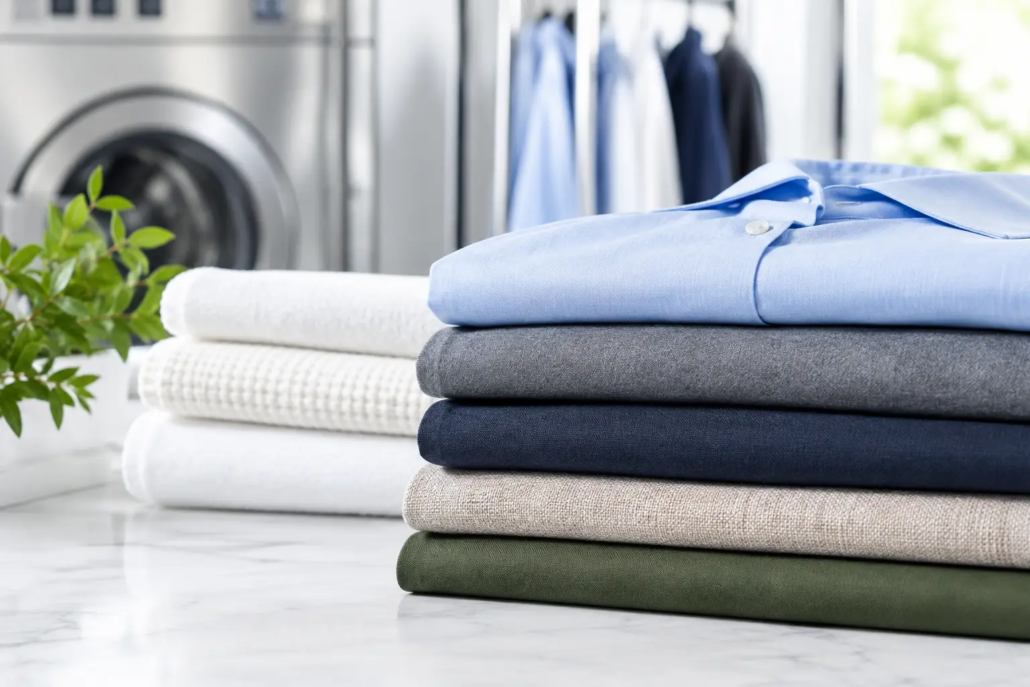
Best Fabrics for Professional Wet Cleaning
A favorite silk blouse can come home from cleaning soft, fresh, and beautifully pressed – or shrunken, distorted, or marked by water spots if it is handled carelessly. That is why knowing the best fabrics for wet cleaning matters. Professional wet cleaning is a carefully controlled process, not simply putting delicate clothes in a washing machine. For many everyday and fine garments, it can be an effective, fabric-conscious alternative to solvent cleaning.
The right choice still depends on the garment’s construction, dye stability, trim, lining, and care label. A fabric may tolerate water very well on its own, while a particular jacket, dress, or sweater made from that fabric needs another method because of its shape or details. Here is how to understand the difference and make a smarter choice for the clothes you rely on.
What Professional Wet Cleaning Actually Means
Professional wet cleaning uses water, specialized biodegradable detergents, controlled mechanical action, and precise drying and finishing. Cleaners adjust the temperature, moisture level, cycle length, and extraction speed to suit the item. The goal is to clean effectively while limiting shrinkage, color loss, stretching, and texture changes.
This is very different from an ordinary home laundry cycle. At home, fabrics can be exposed to too much agitation, a spin cycle that twists fibers, or heat that causes permanent shrinkage. A professional cleaner also checks stains before cleaning, protects buttons and trims when needed, and restores the garment’s shape after it dries.
Wet cleaning is often chosen for garments that benefit from water-based stain removal, especially perspiration, food spills, body oils, and water-soluble residue. It can leave clothing feeling fresh without the heavy fragrance or stiffness some people associate with at-home products.
The Best Fabrics for Wet Cleaning
Cotton and cotton blends
Cotton is one of the most reliable fabrics for wet cleaning. Dress shirts, blouses, chinos, casual dresses, uniforms, children’s clothing, and many household linens generally respond well to a water-based process. Cotton handles washable stains well and can be professionally pressed into a crisp, polished finish.
Still, cotton can shrink if it is washed or dried too aggressively. Dark cotton garments may also fade over time, particularly if they are cleaned in hot water. A quality cleaner uses suitable temperatures and finishing techniques to help preserve size, color, and a smooth appearance.
Cotton blends are often good candidates as well, including cotton-polyester and cotton-spandex pieces. The blend matters, though. Stretch fabrics need controlled drying so they keep their recovery and do not become baggy or misshapen.
Linen
Linen is naturally breathable and popular for warm-weather clothing, but it wrinkles quickly and can feel difficult to manage at home. Professional wet cleaning works well for many linen shirts, pants, dresses, skirts, and table linens. Water-based care can lift common stains while keeping the fabric clean and comfortable.
The trade-off is that linen needs expert finishing. Its crisp, relaxed texture is part of its appeal, but excessive pressing can make it look flat, while poor pressing leaves deep creases behind. Professional shaping and pressing help linen look intentional rather than rumpled.
Silk
Silk is often a strong candidate for professional wet cleaning when the dye, weave, and garment construction are stable. Many silk blouses, scarves, dresses, and lightweight tops benefit from gentle water-based cleaning because it can remove perspiration and food stains that solvent cleaning may not address as well.
Silk is never a fabric to treat casually. It can develop water marks, lose color, or change texture if exposed to too much moisture or friction. A cleaner should inspect the garment first and test for colorfastness when necessary. Silk with beading, fragile trim, a structured lining, or an unstable dye may be safer with another cleaning method.
Wool, cashmere, and fine knits
Wool is commonly misunderstood. Many people assume every wool garment must be dry cleaned, but professional wet cleaning can be excellent for washable wool sweaters, merino pieces, cashmere, and some knitwear. The process can remove body oils and refresh fibers while helping a sweater retain its softness.
The risk is felting or shrinkage. Heat, friction, and sudden temperature changes can cause wool fibers to lock together, creating a smaller, denser garment that cannot be restored. Professional wet cleaning limits those risks with low agitation, careful moisture control, flat or shaped drying, and hand finishing.
Construction is especially relevant here. A soft cashmere sweater may be a good wet-cleaning candidate, while a tailored wool suit jacket with canvas layers, shoulder padding, and a full lining may require dry cleaning to protect its structure.
Rayon, viscose, modal, and lyocell
These regenerated cellulose fabrics can feel soft and luxurious, but they require judgment. Modal and lyocell are often more stable and frequently respond well to professional wet cleaning. They are found in blouses, dresses, knit tops, and comfortable workwear that benefit from gentle cleaning.
Rayon and viscose can be less predictable. They may shrink, stretch, wrinkle heavily, or weaken when wet, particularly in loosely woven or unlined garments. That does not automatically rule out wet cleaning, but it means the cleaner should assess the individual item rather than rely on the fiber name alone.
Polyester, nylon, and performance fabrics
Many synthetic fabrics clean well with water. Polyester dresses, athletic wear, uniforms, lightweight jackets, and washable work clothes can benefit from wet cleaning, particularly when odor and perspiration are concerns. Nylon is also generally water-friendly, although high heat can damage it.
For performance fabrics, the details matter. Waterproof coatings, bonded seams, heat-applied logos, reflective strips, and specialty finishes may need special handling. The fabric may be washable, but its coating or decoration may not be. This is one reason professional inspection is more valuable than a one-size-fits-all approach.
When the Fabric Is Fine but the Garment Is Not
A garment is more than its main fiber. Even one of the best fabrics for wet cleaning may need dry cleaning if its construction is sensitive to water. Tailored blazers, suits, formal gowns, pleated garments, heavily lined pieces, and items with glued interfacing can lose their shape when wet.
Leather, suede, fur, and garments with extensive sequins, feathers, metallic details, or fragile embellishments also need specialized care. The same is true for some vintage clothing, where older dyes and weakened fibers can react unpredictably. Care labels offer useful guidance, but a professional inspection can identify concerns a label does not explain.
This is also why two garments that look similar may receive different recommendations. A simple silk shell and a silk-lined, beaded evening dress do not have the same cleaning needs.
Wet Cleaning or Dry Cleaning: Which Should You Choose?
Wet cleaning is often an excellent option for washable natural fibers, knitwear, shirts, blouses, and garments with water-soluble stains. It can be especially useful when a garment needs freshness along with stain treatment and pressing.
Dry cleaning remains the better choice for many structured, oil-stained, delicate, or shape-sensitive items. It can be gentler on certain interfacings, linings, trims, and dyes. At Joe’s Organic Dry Cleaning & Tailoring, professional wet cleaning and organic K4 dry cleaning are used as complementary methods, not competing ones. The best process is the one that protects the particular garment in front of us.
If you are unsure, avoid experimenting at home on an expensive or sentimental piece. A quick assessment before cleaning can prevent a costly mistake and extend the useful life of the clothes you wear most.
How to Help Your Garments Clean Better
Bring in stained clothing promptly, especially when it has food, makeup, wine, or perspiration on it. Let the cleaner know what caused the stain and whether you have already used a home treatment. That information helps determine the safest removal method.
Before placing items in a pickup bag or bringing them to the counter, check pockets and point out areas of concern such as loose buttons, a pulled seam, a missing hook, or a delicate trim. Combining cleaning with a small repair or alteration can keep a favorite garment ready for work, travel, or a special occasion.
The most dependable garment-care choice is not based on a fabric label alone. It comes from matching the fabric, construction, stain, and finish to the right process – then giving the piece the careful pressing and shaping that makes it ready to wear again.
