
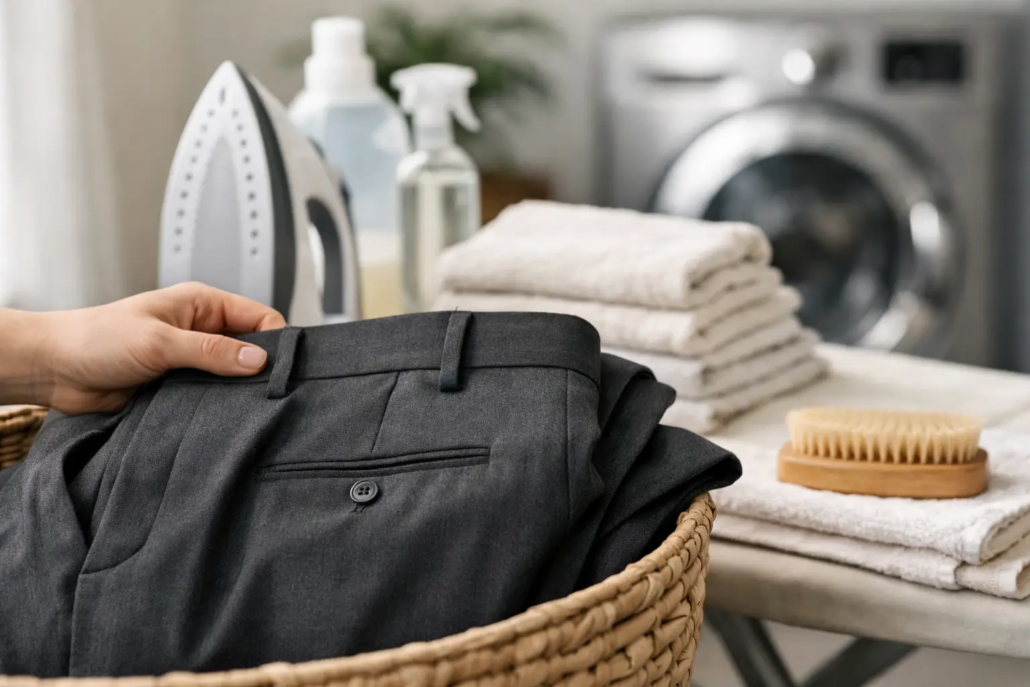
How to Clean Dress Pants Without Ruining Them
A sharp pair of dress pants can look worn out long before the fabric is actually worn through. Shine at the seat, a coffee spot near the cuff, a wrinkled crease, or a waistband that has absorbed a long commute can all make an otherwise good outfit feel less polished. Knowing how to clean dress pants starts with one rule: treat the fabric and construction as carefully as the stain.
Dress pants are not all made the same. A washable cotton blend may handle gentle laundering well, while wool trousers, lined pants, pleated styles, and tailored dress slacks often need professional care to keep their shape. The goal is not simply to get them clean. It is to keep the color even, the crease crisp, and the fit comfortable for the next workday or occasion.
Start With the Care Label
The care label is the best place to begin, even if you have owned the pants for years. It tells you whether the manufacturer expects dry cleaning, hand washing, machine washing, or professional wet cleaning. Following it is especially worthwhile for structured trousers, because the waistband, lining, pockets, and crease may respond differently than the outer fabric.
A few label instructions deserve special attention:
- “Dry clean only” means water can cause shrinkage, color loss, distortion, or damage to the fabric finish.
- “Dry clean” may allow other methods, but dry cleaning remains the safest choice when you want to preserve tailoring.
- “Machine wash cold” usually calls for a delicate cycle, mild detergent, and low agitation.
- “Do not tumble dry” matters. High heat is one of the fastest ways to shrink fibers and set wrinkles.
If the label is missing, think about the fabric before choosing a method. Wool, silk, rayon, acetate, velvet, and trousers with a full lining should generally be handled professionally. Cotton, polyester, and some washable wool blends may be cleaned at home, but only with a gentle approach.
How to Clean Dress Pants at Home
For pants that are labeled washable, clean them less often than you might clean everyday jeans or T-shirts. Unless they are visibly soiled or have absorbed odor, dress pants can often be aired out between wears. Hang them by the cuffs or over a proper trouser hanger and give the fabric time to release moisture and wrinkles.
When washing is needed, empty the pockets, fasten the hook, button, zipper, and any side tabs, then turn the pants inside out. This reduces friction on the outer surface and helps prevent fading or a dull, rubbed appearance at high-contact areas.
Use cold water and a small amount of mild detergent. Hand washing is the gentlest option: swish the pants briefly, let them soak for a few minutes if needed, then rinse thoroughly without twisting or wringing. If the label permits a machine wash, use the delicate cycle and place the pants in a mesh laundry bag. Wash them with similarly lightweight items, not towels, denim, or garments with zippers that can abrade the fabric.
After washing, press out excess water gently. Lay the pants flat on a clean towel, roll the towel to absorb moisture, then reshape the trousers and hang them to air dry. Align the seams, straighten the pockets, and smooth the legs while the fabric is damp. This small step makes pressing easier and helps the pants dry in their intended shape.
Do not put dress pants in a dryer unless the label specifically says it is safe. Even then, low heat is the only sensible setting. Heat can shrink natural fibers, weaken elastic components in the waistband, and leave permanent-looking wrinkles around seams and pleats.
Spot-Clean Small Stains First
A full wash is not always necessary for one small mark. For fresh spills, blot immediately with a clean white cloth. Do not rub, since rubbing pushes the stain deeper into the fibers and can create a lighter, fuzzy patch on darker pants.
For washable fabrics, test any stain product on an inside hem or hidden area first. Apply a small amount with a cloth or cotton swab, working from the outside edge of the stain toward the center. Blot with cool water afterward and allow the area to dry completely before deciding whether more treatment is needed.
Oil-based stains, ink, red wine, and sauces are more complicated. So are stains on wool, silk, rayon, and lined trousers. Avoid using hot water, bleach, or a random household cleaner. Those shortcuts can set the stain or leave a ring that is harder to remove than the original spot. If you cannot identify the stain or the pants are a favorite pair, bring them in promptly and point out the affected area.
When Dry Cleaning Is the Better Choice
Professional cleaning is usually the wiser option when your dress pants are wool, heavily tailored, lined, pleated, or part of a suit. It is also a smart choice after a major spill, before an important event, or when the pants have developed body odor or overall soil that spot cleaning cannot address.
Suit pants deserve particular care. Cleaning only the trousers repeatedly while leaving the matching jacket untreated can lead to subtle color differences over time. When both pieces need cleaning, have them cleaned together so they continue to match. If the jacket is clean and the pants only need a light refresh, ask a garment-care professional which approach makes the most sense.
Professional cleaning also provides finishing that is difficult to duplicate at home. Proper pressing restores the crease without creating shine, puckering the seams, or flattening the fabric. This matters around the waistband, pockets, cuffs, and pleats, where an ordinary iron can leave obvious marks.
At Joe’s Organic Dry Cleaning & Tailoring, fabric-conscious cleaning and careful finishing help keep workwear ready for the office, travel, dinner plans, and the occasions that call for a polished look.
Pressing Dress Pants Without Creating Shine
Clean pants can still look unfinished if they are wrinkled. Check the label before using an iron, then choose the heat setting that matches the fabric. Wool typically needs low to medium heat with steam, while polyester and other synthetics need lower heat to avoid melting or developing a sheen.
Use a pressing cloth between the iron and the pants, especially for dark wool, black trousers, and delicate blends. A clean cotton cloth works well. Rather than sliding the iron back and forth, press gently, lift, and move to the next section. Sliding can stretch seams and create shine where the fabric is compressed.
Start with the waistband and pocket areas from the inside. Then lay each leg flat, match the inseams and outseams, and press along the existing crease. If the pants did not originally have a sharp front crease, do not force one in. Let the garment’s original construction guide you.
Steam can refresh trousers between cleanings, but keep the steamer moving and avoid soaking the fabric. Let the pants dry fully on a hanger before wearing or storing them. Damp fabric can pick up wrinkles quickly and may develop odor if placed in a crowded closet.
Keep Dress Pants Cleaner Between Wears
A little routine care reduces how often you need a full cleaning. Brush off lint, hair, and dry surface debris after wearing the pants. Empty pockets before hanging them, since keys, receipts, and phones can pull at the fabric and distort the shape. Give the trousers a day of rest between wears when possible, particularly if they are wool.
Use a sturdy hanger that supports the waistband or clips the cuffs without leaving deep marks. Avoid folding dress pants over a chair for days, where they can collect wrinkles and household dust. For seasonal storage, make sure the pants are clean first. Invisible food residue, perspiration, and body oils can attract pests and become harder to remove over time.
If your pants begin to look baggy through the seat, loose at the waist, or too long after a shoe change, cleaning alone will not solve the problem. A simple alteration can make a well-made pair feel new again and help you get more wear from it.
The best garment-care routine is the one that keeps your clothes ready without asking you to spend every weekend at the ironing board. Treat small issues early, follow the label, and let professional care handle the pairs that need more than a quick refresh. For busy households and professionals, pickup and delivery can make that routine much easier to keep.

