
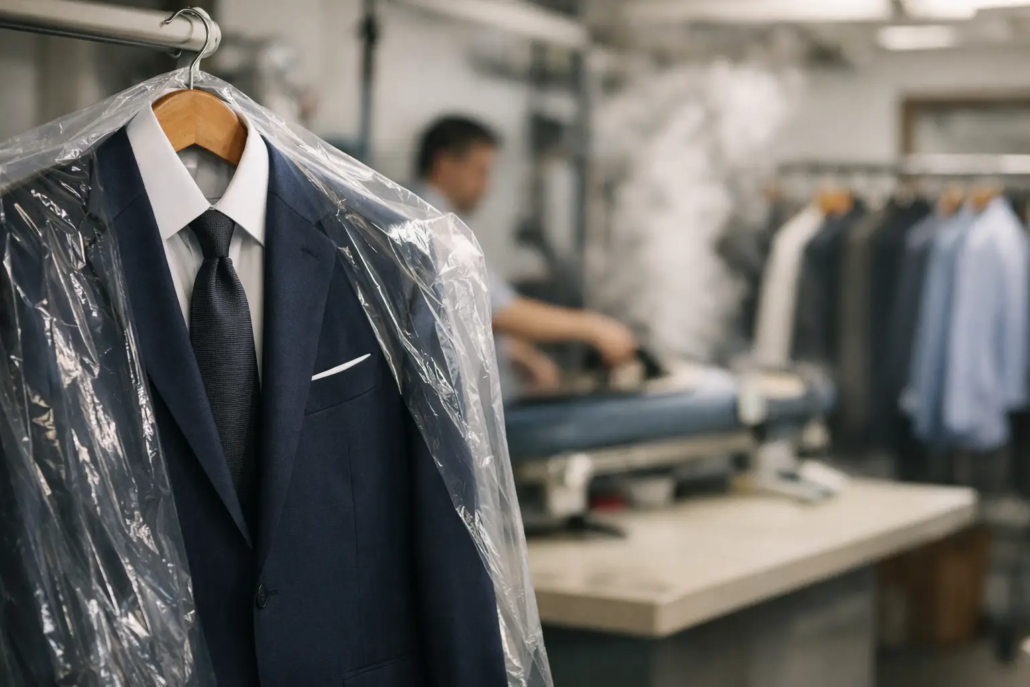
When Suit Dry Cleaning Helps Your Suit Last Longer
A suit can look clean long after it has started collecting the things that wear it down: body oils at the collar, dust in the shoulders, food odors, and light grime along the cuffs and trouser hems. Suit dry cleaning is not something most suits need after every wear, but timely professional care can protect the fabric, preserve the shape, and keep your best work or occasion clothes ready when you need them.
For busy professionals, commuters, and families preparing for weddings, services, interviews, and celebrations, the goal is simple: a suit that looks polished without being over-cleaned. The right schedule depends on how often you wear it, the season, the fabric, and what happened while you were wearing it.
Why suits need specialized care
A suit is more than a jacket and matching pants. Its clean lines come from several layers working together: the outer fabric, the lining, canvas or fused structure, shoulder padding, lapels, pockets, and carefully pressed seams. Heat, water, friction, and incorrect pressing can affect those layers differently.
Wool, the most common suit fabric, is naturally resilient but can hold onto odor and oils. Linen wrinkles easily and may need careful finishing to look crisp without looking flat. Silk blends, velvet, rayon, and delicate formalwear fabrics have their own cleaning requirements. Even a sturdy polyester-blend suit can lose its sharp appearance if it is washed or pressed carelessly.
Professional cleaning is designed to address soil while respecting the garment’s construction. At Joe’s Organic Dry Cleaning & Tailoring, garments are assessed by fabric, trim, stains, and care-label instructions before the cleaning method and finishing approach are chosen. Some suits benefit from organic K4 dry cleaning, while others may be better candidates for professional wet cleaning. The method should fit the garment, not the other way around.
How often should you schedule suit dry cleaning?
There is no single number that works for every suit. A suit worn once for a few hours in a climate-controlled office may only need professional cleaning after several wears. A suit worn on a crowded commute, during warm weather, or at a long event may need attention much sooner.
As a practical rule, many regularly worn suits benefit from cleaning after about three to five wears. That range can be longer if you rotate suits, wear a dress shirt underneath, air the garment out after each use, and avoid spills. It can be shorter if you notice odor, visible soil, perspiration marks, or a stain.
Cleaning too often can place unnecessary stress on any garment, especially one with delicate fibers or detailed construction. Waiting too long can be just as costly because oils and stains have time to settle into the fabric. The best approach is condition-based: clean your suit when it needs cleaning, not simply because it has been hanging in the closet for a certain number of weeks.
Clean a suit promptly after a spill or heavy wear
A visible stain deserves fast attention. Blot gently with a clean white cloth if the spill is fresh, but do not rub the fabric or soak it with water. Rubbing can spread the stain, roughen the fibers, or leave a noticeable light spot. Avoid using a home stain remover unless you are certain it is safe for that specific fabric.
Tell your cleaner what caused the stain and when it happened. Coffee, wine, makeup, sauce, ink, and oil-based stains each respond differently. That information helps the cleaner choose the right spotting treatment before the garment goes through its cleaning process.
The same goes for odor after a wedding, business trip, outdoor event, or hot day. A quick airing-out may help with mild odors, but a suit that smells stale or has absorbed smoke, food, or perspiration should be professionally cleaned before the odor becomes harder to remove.
What professional suit dry cleaning does beyond stain removal
A properly cleaned suit should return looking refreshed, not merely less stained. The finishing stage is a major part of the service. Professional pressing restores the jacket’s lapel roll, smooths the sleeves, sharpens the trouser crease, and helps the garment hang as it was intended to hang.
Careful finishing also helps avoid common at-home problems, such as a shiny spot from an overly hot iron or a flattened seam where pressing was too aggressive. Wool can develop shine when heat and pressure are applied directly to the fabric. Dark suits, especially navy, charcoal, and black, tend to show these marks quickly.
A cleaner can also inspect the suit during handling. Loose buttons, a dropped hem, a small lining tear, or a weakening seam may be noticed before it turns into a last-minute problem. If the suit no longer fits the way it once did, in-house tailoring can often make a meaningful difference. Adjusting a trouser waist, tapering pants, repairing a seam, or refining a jacket sleeve can help a suit earn more years in your wardrobe.
Suit dry cleaning and professional wet cleaning
Despite the name, not every suit should automatically be dry cleaned. Professional wet cleaning uses controlled water, specialized detergents, gentle mechanical action, and precise drying and finishing. It is very different from putting a tailored suit through a home washing machine.
For certain washable fabrics and garment constructions, professional wet cleaning can be an effective, fabric-conscious option. For more structured suits, delicate linings, wool blends, silk details, or garments with non-washable trims, dry cleaning may be the safer choice. Care labels provide useful guidance, but a trained garment-care professional can evaluate the actual condition of the piece as well.
This is especially helpful with modern suiting. Many wardrobes now include washable-looking performance fabrics, stretch blends, unstructured blazers, and travel suits alongside traditional wool suits. They may look similar on a hanger, but they should not all receive identical treatment.
Between cleanings, small habits make a difference
A few simple routines can reduce how often your suit needs professional care and help it keep its shape. After wearing it, remove everything from the pockets and hang the jacket and trousers separately on proper hangers. A broad, shaped hanger supports the jacket’s shoulders better than a thin wire hanger, while a trouser bar or clip hanger helps prevent new wrinkles.
Give the suit time to air out before placing it in a crowded closet. If possible, avoid wearing the same suit on back-to-back days. Rotating your suits allows moisture from normal wear to dissipate and gives the fibers time to recover.
Use a soft garment brush to remove surface dust, lint, and debris, brushing gently in the direction of the fabric. A lint roller is useful for quick touch-ups, but it will not remove embedded soil. Steam can relax minor wrinkles, though it should be used cautiously and never as a substitute for cleaning when the suit is stained or carrying odor.
Store suits in breathable garment bags rather than plastic. Plastic can trap moisture and odors during long-term storage. Before putting away a suit for the season, have it cleaned first. Invisible oils and food residue can attract pests or become permanent stains while the suit sits unused.
Choosing care for the whole suit
When one piece of a matching suit needs cleaning, it is usually best to clean the jacket and trousers together. Cleaning only one piece repeatedly can cause slight color differences over time, particularly with darker fabrics or suits exposed to regular sunlight. If you own a three-piece suit, include the vest as well.
The exception is an emergency stain on one piece that requires immediate treatment. In that case, bring in the affected item promptly and ask for guidance. The priority is preventing permanent damage, while the cleaner can help you decide whether the matching pieces should be cleaned at the same time.
For Westbury-area households balancing work wardrobes, special events, and weekly routines, pickup and delivery can make this easier to stay ahead of. Instead of waiting until the night before an important meeting, build garment care into your regular schedule and keep your suit rotation ready.
A well-cared-for suit should make getting dressed feel easier. When it is clean, properly pressed, and fitted comfortably, you can focus on the meeting, celebration, or milestone ahead instead of worrying about what your clothes are saying for you.

