
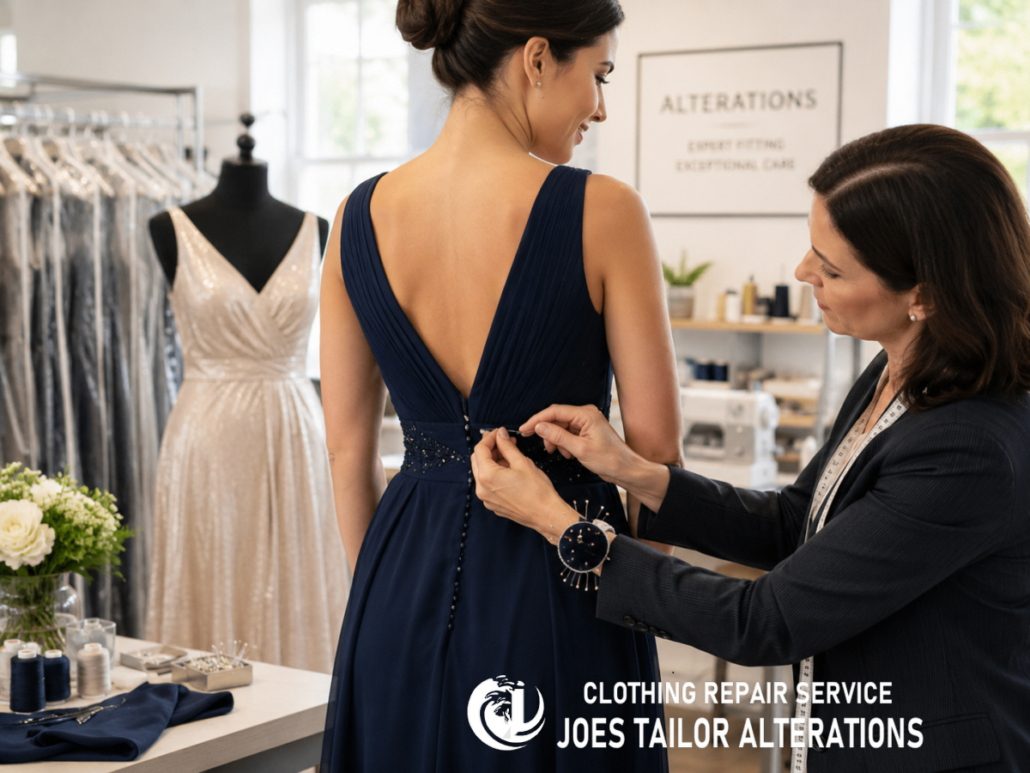
Formal Dress Alterations: Smart Fit Tips in Westbury, NY Now
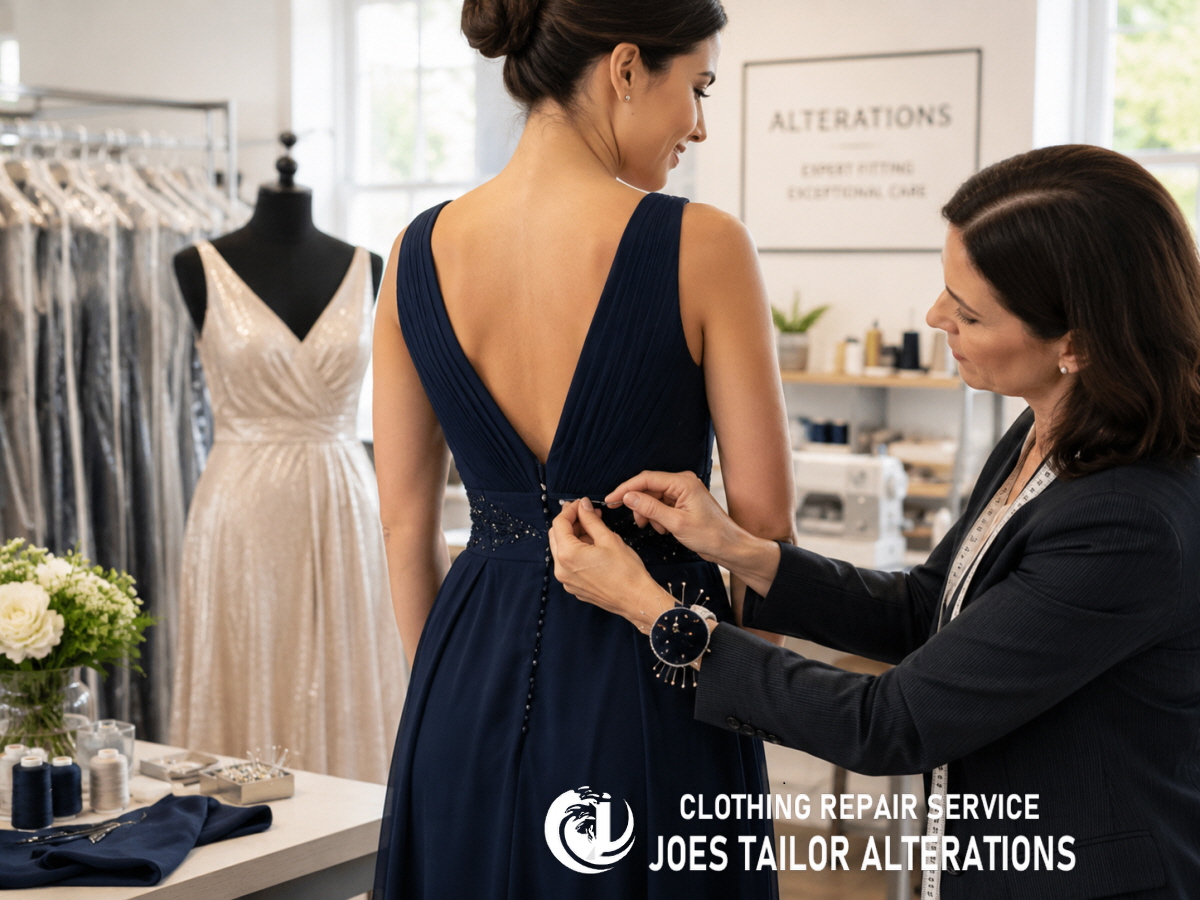
The right formal dress alteration helps a gown feel better, move better, and look more polished.
Formal Dress Alterations: Smart Fit Tips in Westbury, NY Now
A formal dress can look beautiful on the hanger and still feel slightly wrong when you put it on. That is where the right alterations make all the difference. At Joe’s Organic Dry Cleaners & Tailoring Alterations in Westbury, I help local customers improve fit, comfort, and confidence with careful hemming, strap adjustments, waist shaping, and bodice work. If you want your dress to sit better, move better, and feel more natural at your next event, professional local alterations are often the smartest step.
A formal dress can look beautiful on the hanger and still feel wrong the moment you zip it up. The hem drags, the bodice shifts, the straps slip, or the waist lands just a little off. That is why alterations for formal dresses matter so much. A better fit does more than improve comfort – it changes how the dress moves, photographs, and feels through an entire event.
For prom, weddings, galas, charity dinners, and black-tie parties, small fit issues tend to become big distractions. You should not have to spend the night adjusting your neckline, stepping carefully to avoid your hem, or wondering if the dress looks as polished as you hoped. Good alterations are about making the dress work for your body, the event, and the way you will actually wear it.
What alterations for formal dresses usually include
Most formal dresses are not made to fit perfectly right off the rack. Even expensive gowns are cut to standard sizing, and standard sizing rarely accounts for real bodies, heel height, bust support, or personal fit preference. That is why a dress that is technically your size may still need work.
The most common alterations are hemming, taking in or letting out the sides, adjusting straps, reshaping the bust, and refining sleeves or shoulders. In some cases, a tailor may add cups, reinforce seams, replace closures, or secure decorative details that shift during wear. These changes sound minor, but together they create a much cleaner result.
Hem work is often the first thing people notice. A formal hem has to be balanced to your height, your shoes, and the shape of the skirt. A straight hem on a simple gown is one thing. A layered hem, horsehair trim, pleated chiffon, beading, lace, or a train requires much more care. The more detail at the bottom of the dress, the more precise the work needs to be.
Bodice alterations are just as important. If the upper half of the dress does not stay in place, the whole dress can feel off. Taking in the waist, shortening straps, adjusting darts, or refining the bust area can turn a dress from almost right to clearly custom-fit. That is especially true for strapless or structured gowns, where support matters as much as appearance.
Timing matters more than most people expect
One of the most common mistakes with formalwear is waiting too long. People often buy the dress, hang it up, and assume they will deal with fit closer to the event. That can create a rush at the exact time you also need to think about shoes, accessories, scheduling, and everything else that comes with a big occasion.
A better approach is to bring the dress in as soon as you have it, or at least several weeks before the event. This gives enough time for fitting, adjustments, and a second try-on if needed. It also leaves room for realistic issues, like a delicate fabric that needs extra handling or a layered skirt that takes more labor than expected.
If your weight tends to fluctuate or the event is months away, timing can depend on the type of alteration. Structural changes may be started earlier, while final refinements can be scheduled closer to the date. This is one of those cases where it depends on the dress and on the person wearing it. A gown with a corset back gives more flexibility than one with a close-fitting zipper and no seam allowance.
Why formal fabrics need professional handling
Formal dresses are often made from fabrics that do not forgive rough handling. Satin can show marks. Chiffon can pull. Lace can shift. Beading can break or snag if not properly supported during sewing. Even pressing has to be done with care, because heat and moisture affect each material differently.
That is why formal alterations are not the same as basic pant hemming or everyday clothing repair. The work has to respect the drape, structure, and finish of the garment. In many formal dresses, the inside construction matters as much as the outside. Linings, boning, interfacing, and hidden layers all affect how the dress sits on the body.
Cleaning also comes into the picture. A dress may need to be freshened, pressed, or professionally cleaned before or after alteration, especially if it has been tried on multiple times or stored for a while. Having garment care and tailoring handled in one place can make the process much easier, especially when your schedule is already full.
The fitting appointment: what to bring and what to say
A formal fitting goes better when you bring the right items. Shoes are the big one. Your hem should be set based on the heel height you will actually wear, not a guess. If you plan to wear shapewear or a specific bra, bring those too. The fit of the dress can change more than people expect once undergarments are involved.
It also helps to be honest about how you want the dress to feel. Some people want a close, sculpted fit. Others want a little more room for sitting, dancing, and eating comfortably. Neither is wrong. What matters is communicating that clearly.
If something feels off, say so in plain language. You do not need tailoring terms. Saying, “I keep pulling this up,” or “this shifts when I walk,” gives useful information. A good tailor translates those everyday frustrations into the right adjustment.
What can and cannot be altered
Most people are surprised by how much can be improved, but every dress has limits. Taking in a dress is usually simpler than letting it out, because letting it out depends on whether there is enough seam allowance inside. Shortening straps, narrowing the waist, and adjusting a hem are common. Major changes to heavily beaded, sequined, or intricately constructed gowns may be possible, but they take more time and care.
The original design also matters. A dress with side cutouts, asymmetrical draping, or sheer panels gives less flexibility than a classic gown with clean seams. Sometimes the best result comes from making a few smart changes rather than trying to force a dramatic redesign.
This is where realistic expectations are helpful. Alterations can improve fit, balance, and comfort significantly. They cannot always change the basic architecture of the dress without affecting how it looks. A professional fitting should tell you what is worth doing, what may be too costly for the result, and what will give you the cleanest finish.
A polished fit is not only about looks
People often think of alterations as cosmetic, but comfort is part of the service. If a dress pinches under the arms, twists at the hips, or slides at the bust, you will feel it all night. That discomfort changes posture, movement, and confidence.
A well-altered formal dress lets you walk naturally, sit more easily, and enjoy the event without constant adjustments. It also tends to photograph better because the lines of the garment stay where they are supposed to stay. That makes a difference at milestone events where pictures matter long after the evening is over.
For busy professionals and families, this is also about reducing stress. When your dress is cleaned, pressed, fitted, and ready in advance, one more event detail is taken care of. That convenience matters, especially during wedding season, prom season, and holiday event periods when calendars fill up fast.
Choosing the right place for formal dress alterations
Not every tailor works with formalwear at the same level. For a special occasion dress, look for experience with delicate fabrics, linings, embellishments, and finish work. You want careful handling, clear communication, and realistic turnaround expectations.
It also helps to choose a provider that understands the full life of the garment, not just the pinning. A formal dress may need pressing before the event and proper cleaning after it, especially if there is makeup, perspiration, food, or floor dust at the hem. At Joe’s Organic Dry Cleaning & Tailoring, that combination of tailoring and garment care is part of what makes special-occasion clothing easier to manage.
The right alteration should never call attention to itself. What people notice is that the dress looks right on you. The fit feels natural, the shape is balanced, and nothing seems to fight against the way you move. When that happens, you stop thinking about the dress and start enjoying the occasion, which is exactly how formalwear should feel.
Frequently Asked Questions
What are the most common alterations for a formal dress?
Small, targeted changes are usually the most common and the most helpful.
Most formal dresses need help with hems, straps, bodice fit, waist shaping, or side seam balance. These are the areas that most often affect comfort and appearance.
How much can a formal dress fit improve with alterations?
In many cases, quite a lot.
A few careful changes can make a dress feel much more secure, balanced, and flattering. Many customers are surprised by how much a better hem or bodice adjustment improves the whole look.
Should I bring my shoes to the fitting?
Yes, absolutely.
The final hem depends on the shoes you plan to wear. Bringing them helps make the dress length more accurate and avoids surprises later.
Can Joe’s alter delicate formal dresses?
Yes.
Formal dresses often include delicate fabrics, lining, or specialty construction, and careful handling matters. Joe’s works with those details in mind while also offering eco-friendly garment care if the dress needs cleaning.
How early should I bring in a formal dress for alterations?
Earlier is better than later.
Try not to wait until the last week before the event. More time helps reduce stress, allows better fit evaluation, and makes it easier to combine alterations with any needed cleaning.
What if my dress also needs cleaning?
That can often be handled in the same overall care process.
Joe’s offers eco-friendly dry cleaning, organic wet cleaning, and garment care alongside tailoring, which makes formal dress preparation much easier.
Can pickup and delivery help with formal dress alteration orders?
Yes.
Pickup and delivery can make the process easier for busy customers, especially when there are several event garments or other household clothing needs happening at the same time.
What if the dress feels wrong but I cannot explain why?
That is normal.
Many customers cannot name the exact tailoring issue, but they can describe what feels off. That is often enough to start. If you explain where it pulls, slips, bunches, or feels uncomfortable, that helps guide the alteration plan.

