
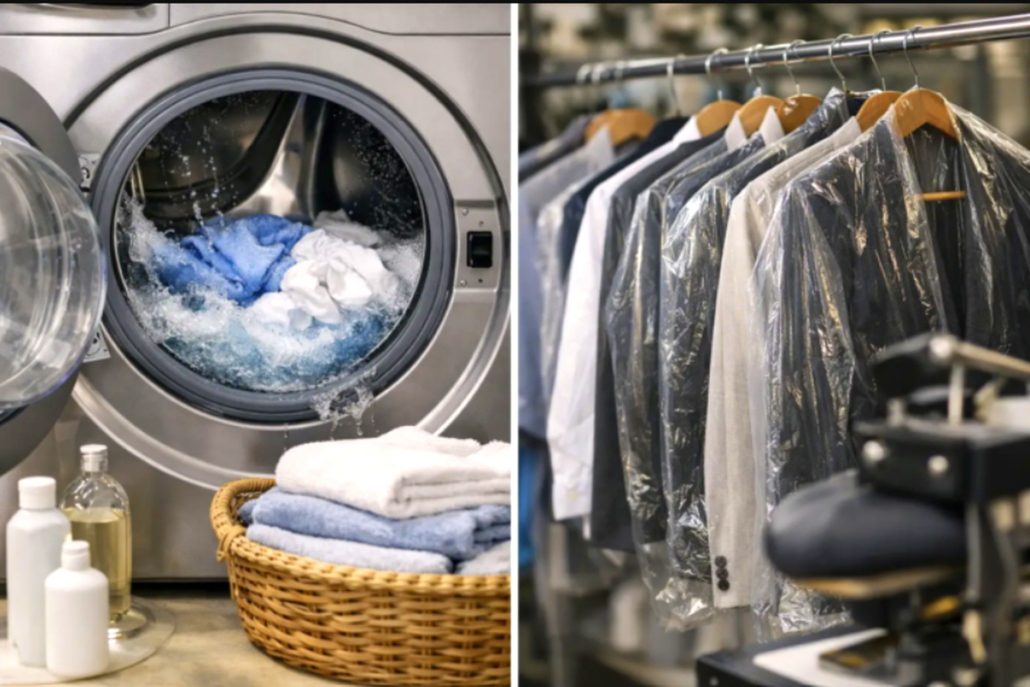
Is Wet Cleaning Better Than Dry Cleaning?
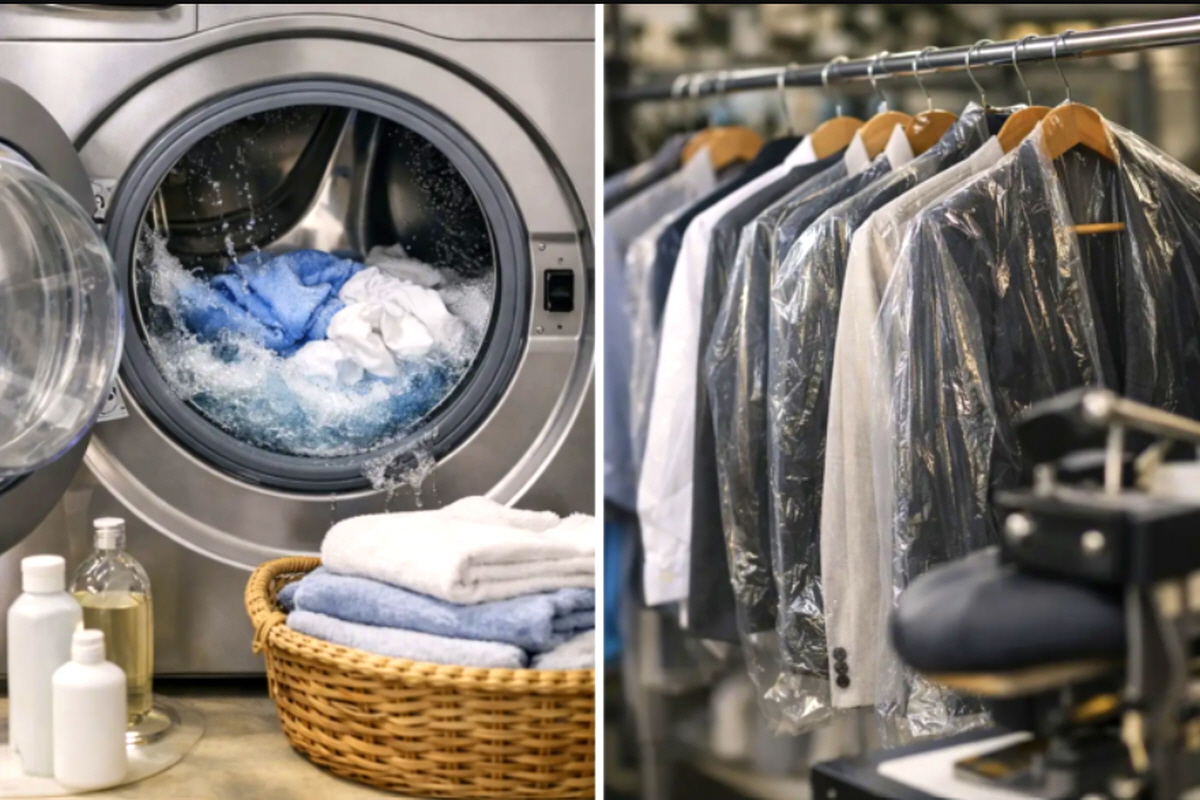
The right cleaning method depends on the fabric, stain, structure, and finish of the garment.
A blazer with light perspiration, a silk blouse with makeup at the collar, a wool dress with a small food stain – these are the moments when people ask, is wet cleaning better than dry cleaning? The honest answer is that one method is not automatically better for every garment. The better choice depends on the fabric, the structure of the piece, the type of soil, and the finish you want when it comes back ready to wear.
That is why professional garment care is less about picking a side and more about matching the right cleaning method to the item in front of you. If you want your clothes to last, keep their shape, and come back looking polished, it helps to understand what each process actually does.
Is wet cleaning better than dry cleaning for everyday clothes?
For many everyday garments, professional wet cleaning can be an excellent option. Wet cleaning uses water and specialized detergents, along with carefully controlled machines, temperatures, and finishing methods. It is not the same as washing clothes at home. The process is designed to clean garments gently while managing shrinkage, texture, and shape.
On washable fabrics and many softer garments, wet cleaning often does a very good job removing water-based stains like perspiration, coffee, juice, and light everyday soil. It can also leave clothes feeling fresh without the heavier chemical odor some people associate with older-style dry cleaning methods.
That said, everyday does not always mean simple. A lined dress shirt is different from a structured blazer. A knit top is different from a pleated skirt. Even when two items look similar, their interfacings, trims, dyes, and construction may call for different handling.
How dry cleaning differs
Dry cleaning cleans garments without soaking them in water. Instead, it uses a solvent-based process that is often better suited to fabrics and constructions that do not respond well to moisture. This can be especially important for tailored clothing, garments with shape-retaining inner structure, and pieces where water may cause swelling, distortion, or loss of finish.
Dry cleaning is often the safer choice for wool suits, formalwear, some coats, and garments with details like shoulder padding, specialty linings, or delicate trims. It can also be more effective on oil-based stains such as grease, body oils, and some cosmetic products.
For many customers, the key benefit is appearance. A professionally dry cleaned and finished garment often comes back crisp, smooth, and properly reshaped. That matters when the item is part of your work wardrobe or something you need for a wedding, service, meeting, or special event.
When wet cleaning is the better choice
If you are asking whether wet cleaning is better than dry cleaning, one fair answer is this: wet cleaning can be better when the garment responds well to water and the goal is gentle, fabric-conscious cleaning.
This is often true for certain blouses, shirts, knitwear, unstructured dresses, and some household textiles. Wet cleaning may also be a strong option for garments that carry perspiration, light food spills, or general everyday buildup. Because water is very effective on many common soils, the cleaning result can be excellent when the fabric allows it.
There is also an environmental reason many customers ask about wet cleaning. Professional wet cleaning is often seen as a more eco-conscious choice than traditional solvent systems, especially when done by a cleaner that uses modern equipment and well-managed processes. For households trying to make lower-impact choices, that can matter.
Still, eco-friendly does not mean universal. The safest method is the one that protects the life of the garment.
When dry cleaning is the better choice
Dry cleaning usually has the advantage when a garment needs to hold a specific shape or when moisture could change the way the material behaves. Think about suits, blazers, dress coats, heavily lined skirts, ties, and formal garments. These items are not just fabric. They are fabric plus internal structure.
Water can affect that structure in ways customers do not always see until after cleaning. Lapels can ripple. Linings can pull. Shoulder areas can lose their clean shape. Pleats may soften. In those situations, dry cleaning is often the more reliable route.
Dry cleaning can also be the smarter choice for stain types that are not very water-friendly. Oils, waxes, and some residue from lotions and cosmetics may come out more effectively in a solvent process than in wet cleaning alone.
Is wet cleaning better than dry cleaning for delicate fabrics?
Sometimes yes, and sometimes absolutely not.
This is where labels can be misleading if you take them too literally. A “dry clean only” label does not always mean the item can never be wet cleaned. In some cases, an experienced cleaner can successfully wet clean garments that manufacturers label conservatively. But that decision should come from professional testing, fabric knowledge, and finishing expertise – not guesswork.
Silk, wool, rayon, acetate blends, and embellished pieces all require caution. Some can wet clean beautifully under the right controls. Others may lose texture, sheen, size, or shape. Velvet, beading, sequins, fused panels, and specialty dyes all raise the stakes.
This is why a good cleaner inspects the garment before choosing the process. The best result comes from reading more than the care label. Fabric behavior, trim, age, stain type, and wear history all matter.
The finishing matters as much as the cleaning
Customers often focus on how the item gets cleaned, but finishing is just as important. A garment can be cleaned properly and still look wrong if it is not pressed, shaped, and handled well afterward.
Wet cleaned items often need skilled finishing to restore their intended look. That might mean careful tensioning, steam control, hand pressing, or reshaping while the garment is still in the right state. Dry cleaned garments also depend on strong finishing, especially tailored clothing.
This is where professional service stands apart from home care. Cleaning is only half the job. The other half is making the item look presentable again, with the collar sitting correctly, the seams lying flat, and the silhouette looking like it should.
What this means for shirts, suits, dresses, and household items
For shirts, professional wet cleaning or shirt laundry is often a strong fit, especially when the goal is cleanliness, comfort, and a ready-for-work finish. For suits and blazers, dry cleaning is usually the safer choice because shape retention is such a big part of the garment.
For dresses, the answer depends on construction. A simple cotton dress is one thing. A lined cocktail dress with trim is another. Wedding gowns, formalwear, and event clothing generally need more specialized evaluation because stains may be hidden and the fabrics are often mixed.
For comforters, curtains, and household textiles, either method may work depending on fill, backing, dyes, and size. Large items especially benefit from professional handling because weight and moisture can stress fabrics quickly.
A practical way to decide
If the garment is soft, washable in nature, and carrying mostly water-based soil, wet cleaning may be the better option. If it is structured, lined, oil-stained, or shape-sensitive, dry cleaning may be the better option. But that is still only a rule of thumb.
The real decision should come from inspection. A trusted cleaner looks at fiber content, construction, trims, stain type, and the condition of the piece before choosing the method. That protects your clothing and avoids one-size-fits-all care.
At a shop that offers both professional wet cleaning and dry cleaning, the advantage is flexibility. The goal is not to force every garment into one system. It is to use the method that gives you the cleanest, safest, and best-looking result.
For busy households and professionals, that kind of judgment saves time and avoids expensive mistakes. It also means your clothes come back ready for the office, church, travel, school events, or a weekend occasion without you having to second-guess how they were handled.
If you have ever looked at a care label and felt unsure, that is normal. The best garment care is not about following a trend or choosing the greener-sounding term every time. It is about knowing what your clothes need so they stay in good condition and fit into your life with less hassle. When a cleaner can offer both methods and explain why one makes more sense than the other, that is usually the sign you are in good hands.
💚 263 Post Ave, Westbury NY location, we are having another vibrant day, providing top-tier dry cleaning, clothing repair, and alteration services! Your cherished garments deserve the very best care. That is precisely why Joe’s… We provide eco-friendly, organic dry cleaning services that prioritize not only the care of your garments but also your personal health and well-being.
- 🚚 Free pickup and delivery service Start available in the Westbury Area
- 👉 Clicks Link in maps / Joe’s Organic Dry Cleaners – Google Maps
- 🌎 Visit Contact : https://joescleaner.blogspot.com/
- 📸 External Service: https://www.instagram.com/dry.cleans
✨ Looking for a dry cleaner you can truly trust? Joe’s Organic Dry Cleaners & Tailoring Alterations, a proud member of the New York State Fabric Association delivers expert garment care and tailoring services that meet New York State standards — keeping your clothes safe, clean, and perfectly fitted.

