
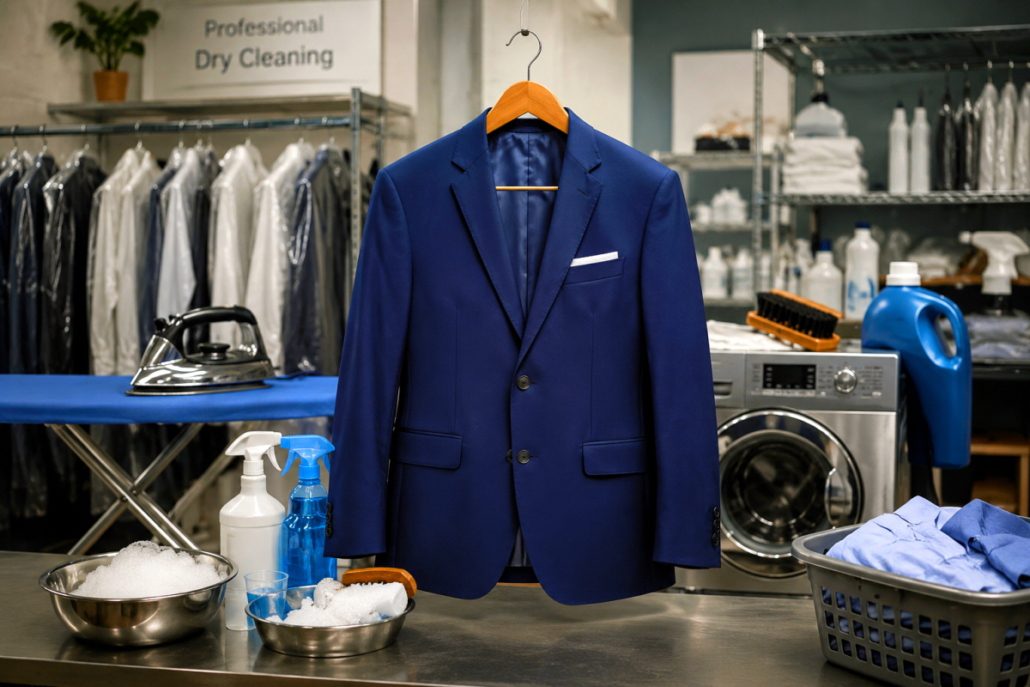
What Is the Right Way to Clean a Blazer in Westbury, NY Now?
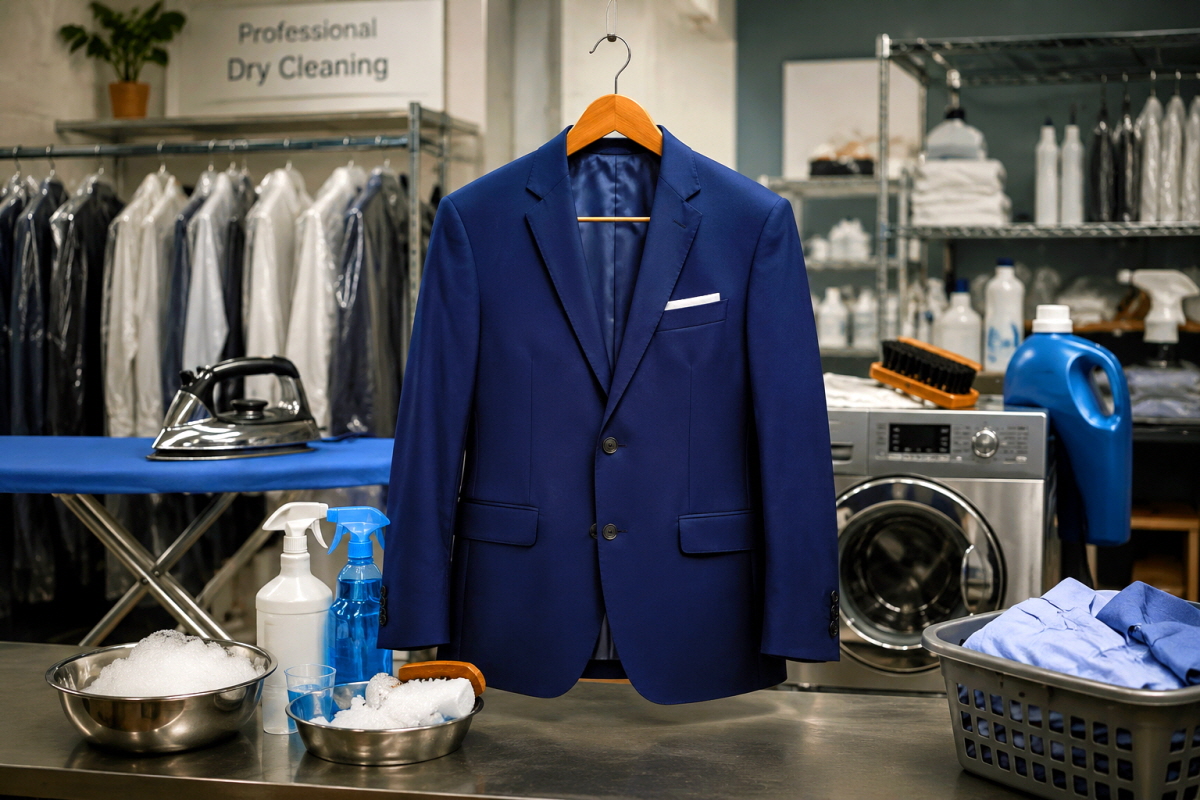
Professional blazer care helps jackets stay sharp, fresh, and ready for work or events.
Why Proper Blazer Cleaning Matters in Westbury
A blazer can look clean and still carry hidden soil, body oils, odors, and shape loss. That is why learning how to clean a blazer the right way matters for busy customers in Westbury and across Nassau County. At Joe’s Organic Dry Cleaners & Tailoring Alterations, located at 263 Post Ave, Westbury, NY 11590, customers get eco-friendly dry cleaning, organic garment care, tailoring, clothing repair, and pickup and delivery in one trusted place. When your blazer needs to look sharp for work, dinner, church, school, or an event, careful local service makes a real difference.
A blazer can look perfectly fine on the hanger and still carry last week’s lunch spot, light perspiration, and a little collar buildup. That is usually where people get into trouble. When figuring out how to clean a blazer, the biggest mistake is treating it like an ordinary shirt or sweater. Most blazers have structure, lining, shoulder shaping, and fabric finishes that need a more careful approach.
If you want your blazer to keep its shape, color, and polished look, the first step is knowing what kind of cleaning it can actually handle. Some blazers can be freshened up at home between wears. Others should go straight to professional care. The difference comes down to fabric, construction, and the kind of stain or odor you are dealing with.
How to clean a blazer starts with the care label
Before you do anything, check the care label inside the jacket. It will tell you whether the blazer is dry clean only, hand wash, machine washable, or made from a fabric blend that needs special handling. That tag matters more than internet shortcuts.
A wool blazer, lined blazer, velvet blazer, or anything with shoulder pads and structured canvas usually should not go in a washing machine. Even if it survives one wash, it may come out puckered, twisted, or no longer sitting correctly on your shoulders. A knit blazer or unstructured cotton blazer may allow gentler home care, but only if the label says so.
This is also where fabric content matters. Wool, silk, rayon, linen blends, and embellished fabrics tend to be less forgiving. Polyester and some cotton blends are often easier to manage, but even those can shrink, fade, or lose their press if cleaned the wrong way.
What you can do at home between cleanings
A blazer does not need full cleaning after every wear. In many cases, simple maintenance keeps it looking ready without putting extra stress on the fabric.
Start by brushing it lightly with a soft clothes brush. This helps remove lint, dust, and surface dirt, especially around the lapels, pockets, sleeves, and back of the collar. If you do not have a garment brush, a clean lint roller can help with debris, though it will not lift dust as effectively.
Next, hang the blazer on a shaped hanger, not a thin wire hanger. Give it space to air out for several hours before putting it back in the closet. If the blazer picked up mild odors from food or a crowded event, airing it out often does more than people expect.
For wrinkles, use steam carefully. A handheld steamer works well if you keep it moving and avoid soaking the fabric. If you do not have a steamer, hang the blazer in a bathroom while a hot shower runs, then let it dry fully afterward. This is a light refresh, not a substitute for actual cleaning.
Spot cleaning a blazer without making it worse
If you spill something on your blazer, speed matters. Rubbing does not. Blot the stain gently with a clean white cloth to lift as much as possible. Press, do not scrub. Scrubbing can spread the stain, rough up the fibers, and leave a shiny patch.
For very minor water-safe stains on washable fabrics, you can test a small hidden area with a little cool water and mild detergent. Use only a tiny amount, blot gently, and avoid saturating the material. Then blot again with clean water to remove residue. The key here is restraint. Too much moisture can leave a ring or affect the interlining.
Oil-based stains, makeup, wine, coffee, and anything dark or acidic are a different story. These stains often set deeper than they appear on the surface. Home treatment may make them look lighter at first, then harder to remove later. If the blazer is expensive, fitted, or part of a matching outfit, professional stain treatment is usually the safer choice.
Can you wash a blazer at home?
Sometimes yes, often no.
If the label specifically says the blazer is machine washable or hand washable, you can clean it at home with care. Turn it inside out, use cold water, choose a gentle detergent, and skip the dryer. If machine washing is allowed, use the delicate cycle and place the blazer in a mesh garment bag for extra protection.
After washing, reshape it while damp and hang it to air dry. Do not wring it out. Do not twist the sleeves. Do not try to speed things up with high heat. Heat is one of the fastest ways to shrink a blazer, distort its lining, or flatten the fabric finish.
Even with washable blazers, there is a trade-off. Home washing may save time in the moment, but repeated washing can soften crisp edges, weaken pressing, and make the jacket look less tailored over time. That matters if it is part of your work wardrobe or something you wear to meetings, events, or church.
When professional cleaning is the better option
A structured blazer usually benefits from professional cleaning because the goal is not just removing dirt. It is preserving the shape, drape, and finish.
Blazers often include inner construction you cannot see from the outside. There may be chest pieces, interfacing, sleeve heads, lining materials, and padded shoulders that react badly to water, heat, or agitation. What looks like a simple jacket can be surprisingly complex.
Professional care is the better choice when your blazer is wool, lined, tailored, vintage, dark-colored, stained, or noticeably wrinkled at the seams and lapels. It is also wise when the blazer has not been cleaned in a long time and needs more than a quick refresh. A proper cleaning and press can restore the sharp appearance that made you buy it in the first place.
For busy professionals and families, this is also where convenience matters. If a blazer needs cleaning, pressing, and maybe a sleeve adjustment or button repair, having one trusted cleaner handle everything saves time and guesswork.
How to clean a blazer without ruining the shape
The shape is the whole point of the garment. You can have a spotless blazer that still looks off if the shoulders collapse, the lapels curl, or the lining twists.
That is why pressing should be handled carefully. Ironing directly on the fabric can create shine, especially on wool and darker colors. It can also flatten texture and leave marks along seams. If you must use an iron at home, use low heat, a pressing cloth, and as little pressure as possible. In many cases, steam is safer than direct ironing.
Storage matters too. After cleaning, keep the blazer on a sturdy hanger that supports the shoulders. Do not cram it into a packed closet. If it is a seasonal blazer, store it clean. Stains and body oils left in the fabric over time are harder to remove later and can attract damage.
Common blazer cleaning mistakes
The most common mistake is assuming all blazers are washable. They are not. Another is overcleaning. Frequent cleaning, especially aggressive home cleaning, can wear down fabric and construction faster than regular use.
People also run into problems by treating just the stain and ignoring the garment as a whole. You remove one spot, but now that area looks cleaner than the rest of the jacket. Or the fabric dries unevenly and leaves a ring. Another issue is using too much product. More soap does not mean better cleaning. It often means more residue and more risk.
And then there is the dryer. A blazer should almost never go in one unless the label clearly allows it, and even then, caution is smart. High heat can undo a blazer faster than a stain can.
Keeping your blazer ready to wear longer
The best cleaning routine is not always the most frequent one. It is the one that balances maintenance with fabric care.
Rotate your blazers instead of wearing the same one every day. Let each jacket rest between wears so moisture and odor can dissipate. Brush it occasionally, handle stains quickly, and hang it properly. Use professional cleaning when the fabric or construction calls for it, not after a home experiment goes wrong.
If your blazer is part of your weekly work rotation or something you rely on for events and special occasions, regular professional care can actually extend its life. At Joe’s Organic Dry Cleaning & Tailoring, that often means helping customers keep favorite pieces in service longer with careful cleaning, finishing, and any needed fit corrections in one stop.
A good blazer earns its place in your closet because it makes getting dressed easier. Treat it with the same practicality. Clean it gently, press it carefully, and when the fabric calls for expert handling, let a professional protect the shape that makes it look right in the first place.
💚It’s a wonderful day here at Joe’s Dry Cleaners, located at 263 Post Ave in Westbury. Our branch is busy serving the community with top-tier dry cleaning, clothing repair, tailoring alterations, and convenient pickup and delivery to your home. Your cherished garments deserve the highest level of care, which is why Joe’s proudly offers eco-friendly, organic dry cleaning designed to protect both your clothing and your health.
🌎 Visit Contact : https://joescleaner.blogspot.com/
📸 External Service: https://www.instagram.com/dry.cleans
✨ Looking for a dry cleaner you can truly trust? Joe’s Organic Dry Cleaners & Tailoring Alterations, a proud member of the New York State Fabric Association delivers expert garment care and tailoring services that meet New York State standards — keeping your clothes safe, clean, and perfectly fitted.

